Marvel and Mattel bet on childhood heroes to fuel 2026 franchises
X-Men ’97 returns July 1 with mutants split across time and Apocalypse looming, while Masters of the Universe leans on toys and brand memory.

Hollywood’s nostalgia machine is delivering two very different bets on childhood heroes. Marvel is treating X-Men ’97 as a story engine, while Mattel is leaning hard on He-Man’s name recognition and a shelf-full of merchandise.
X-Men ’97 returns to Disney+ on July 1, 2026 with a second season that throws Charles Xavier’s mutants into an ancient past, the present and a distant future. Marvel says the team is split across eras as it tries to get home, with Apocalypse positioned as the central threat. That setup matters because the series is not just recycling 1990s memory; it is using time travel, separation and extinction-level stakes to revive the original show’s emotional tension and political edge.
The first season gave Marvel a proof point. X-Men ’97 premiered on March 20, 2024, and Disney says it became one of the most-watched Disney+ Original animated series globally. It also earned a 2024 Emmy nomination for Outstanding Animated Program for Remember It. Those numbers give Marvel something more valuable than sentimentality: evidence that a revived animated franchise can still draw a large audience when it feels alive rather than merely preserved.
%3Amax_bytes(150000)%3Astrip_icc()%2FX-Men97season1finale05152403-7399b71fa3a24caabd513185b829a862.JPG&w=1920&q=75)
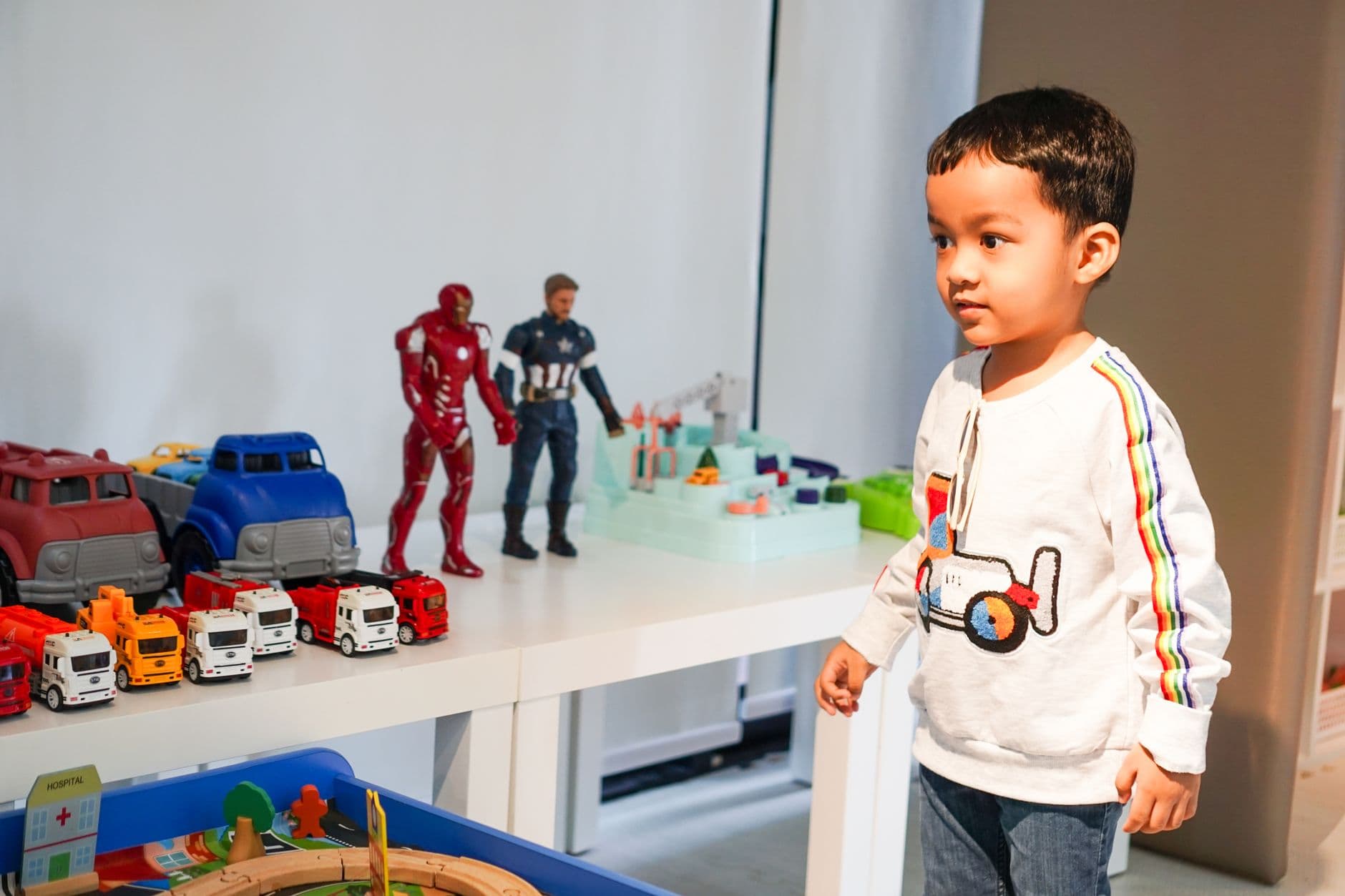
Masters of the Universe is taking a different route. The live-action film opened in U.S. theaters on June 5, 2026, as Mattel and Amazon MGM Studios’ big swing at the He-Man brand. Instead of building anticipation around a specific dramatic thesis, Mattel has pushed a cross-category product line tied to the movie, with figures, vehicles, role-play items, dolls and building sets based on He-Man, Teela, Skeletor, Man-At-Arms, Evil-Lyn, Beast Man, Mekaneck and Roboto.
That merchandising push underlines the film’s biggest challenge. He-Man remains one of the most recognizable childhood properties in Mattel’s portfolio, but brand familiarity alone does not guarantee a durable franchise. X-Men ’97 suggests the opposite lesson: nostalgia works best when it updates the core idea, not just the surface design. Marvel’s revival reaches back to the 1990s while reasserting the themes that made the mutants matter in the first place, conflict, fear, belonging and power. Masters of the Universe, by comparison, appears to be asking recognition to do the heavy lifting.
In a market still crowded with legacy IP, the difference is clear. One revival is trying to earn its future by sharpening its past. The other is betting that the logo and the toy aisle will be enough.
This article was produced by Prism’s automated news system from verified source data, official records, and press releases, then run through automated quality and moderation checks before publishing. The system is built and supervised by the people who set the standards it runs under. Read our full AI policy.
Know something we missed? Have a correction or additional information?
Submit a Tip