Lungu family wins appeal to bury former Zambia president in South Africa
Edgar Lungu's family won the right to bury him in South Africa, ending a year-long fight with Zambia over who controls a former president's body.
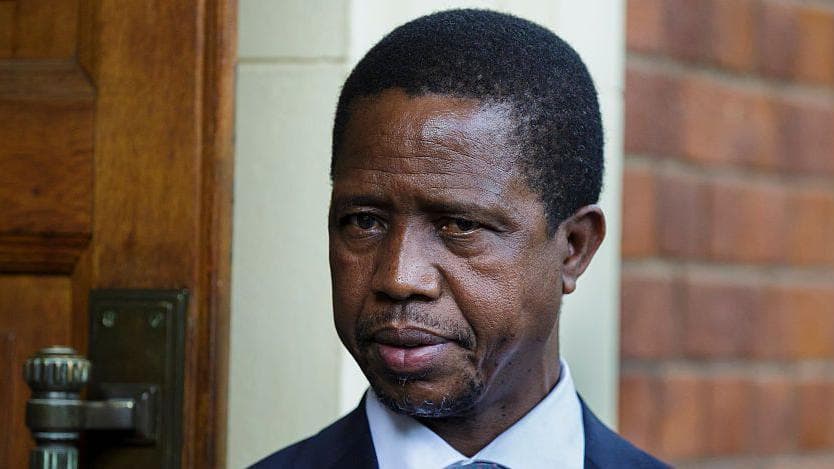
Edgar Chagwa Lungu’s family has won the right to bury the former Zambian president in South Africa, overturning a court order that would have sent his body back to Lusaka for a state funeral. The ruling from South Africa’s Supreme Court of Appeal in Bloemfontein brought a fresh legal turn to a dispute that has stretched for more than a year and exposed how power can outlast death.
Lungu died on June 5, 2025, in Pretoria at the age of 68 while receiving medical treatment at a clinic. Zambia’s government had pressed for him to be laid to rest in the special presidential burial ground in Lusaka alongside other former presidents, arguing that a man who led the country from 2015 to 2021 belonged in a national ceremony at home. His family, by contrast, had sought a private burial in South Africa after funeral negotiations with the government broke down.
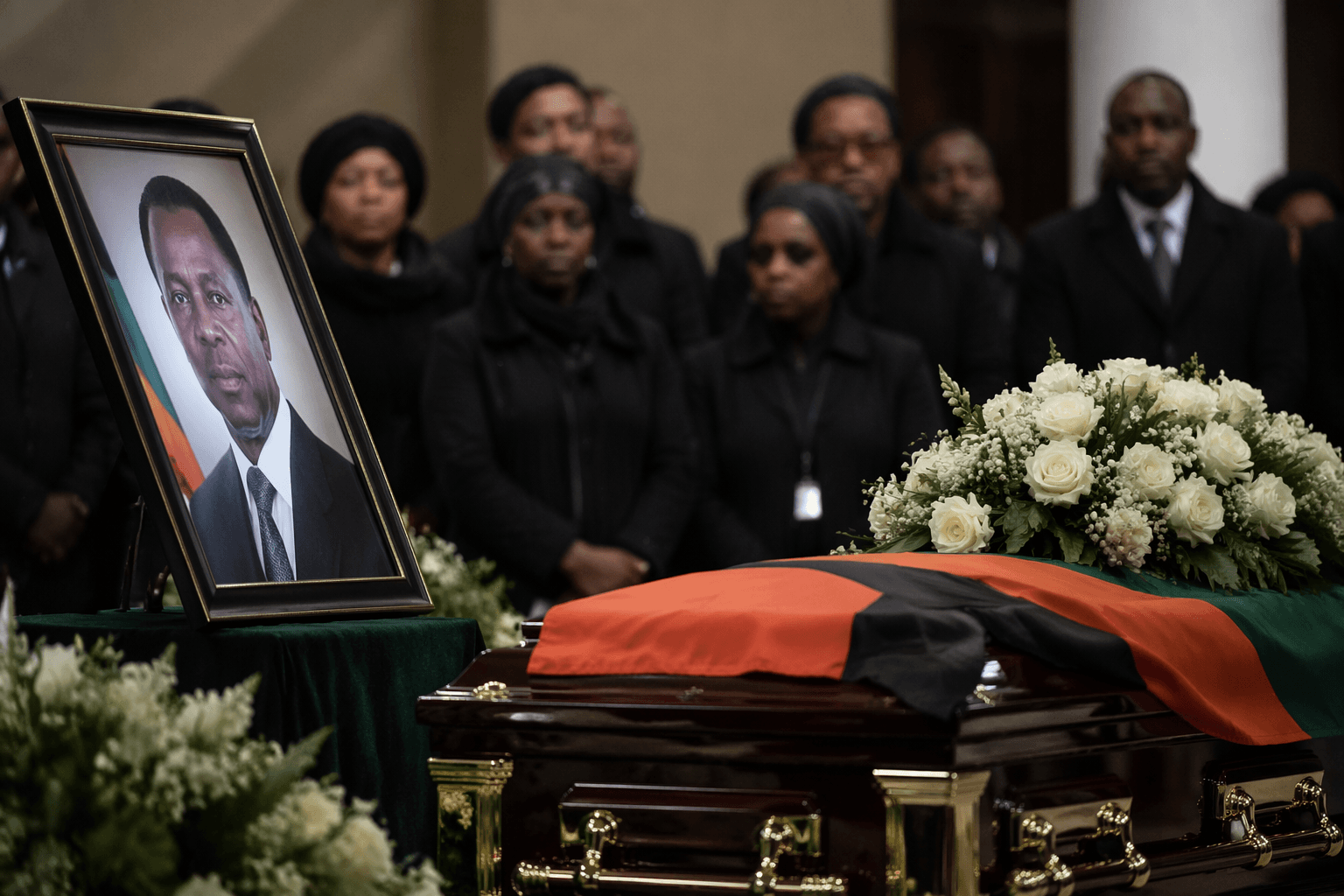
The court fight has moved through several stages. A Gauteng High Court ruling in August 2025 allowed Zambia to repatriate the body, and in April 2026 a South African court order briefly transferred the remains to Zambian authorities before the latest appeal restored the family’s position. Justice Raylene May Keightley had previously framed the case as a ritual meant to bring closure that instead became a hard-fought contest between family and state, a description that captured the emotional and political weight attached to the remains of a former head of state.
The dispute also reflects Zambia’s unresolved political tensions a year after Lungu’s death. He was a key rival of President Hakainde Hichilema, and reports said Lungu had told people he did not want Hichilema at his funeral or “anywhere near” his body. After Lungu died, mourners were met with conflicting announcements from the government and the Patriotic Front, two separate mourning periods were declared, and competing condolence books appeared, deepening the sense that even grief had become politically contested.
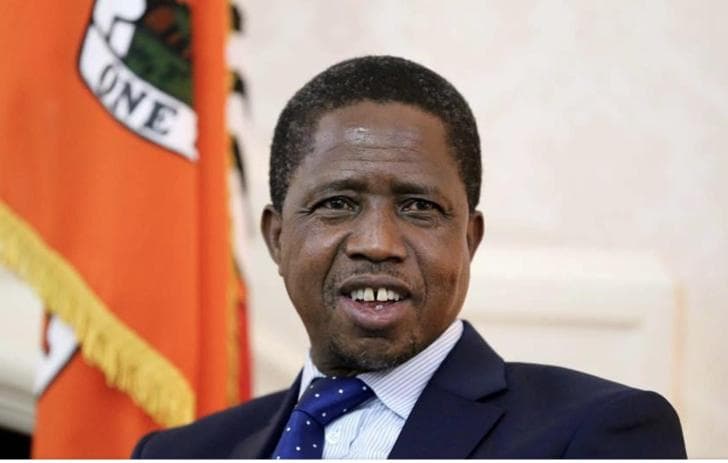
For Lungu’s supporters, the ruling restores family control over a private burial that had been pulled into the machinery of the state. For Zambia, it leaves unanswered a broader question that has shadowed the case from the start: who gets to define the final resting place, and the political meaning, of a former president.
This article was produced by Prism’s automated news system from verified source data, official records, and press releases, then run through automated quality and moderation checks before publishing. The system is built and supervised by the people who set the standards it runs under. Read our full AI policy.
Did this article answer your question?