Lyrid meteor shower peaks Wednesday, with ideal UK viewing conditions
Clear, dark skies after midnight should give UK viewers their best shot at the Lyrids, the oldest recorded meteor shower still visible today.
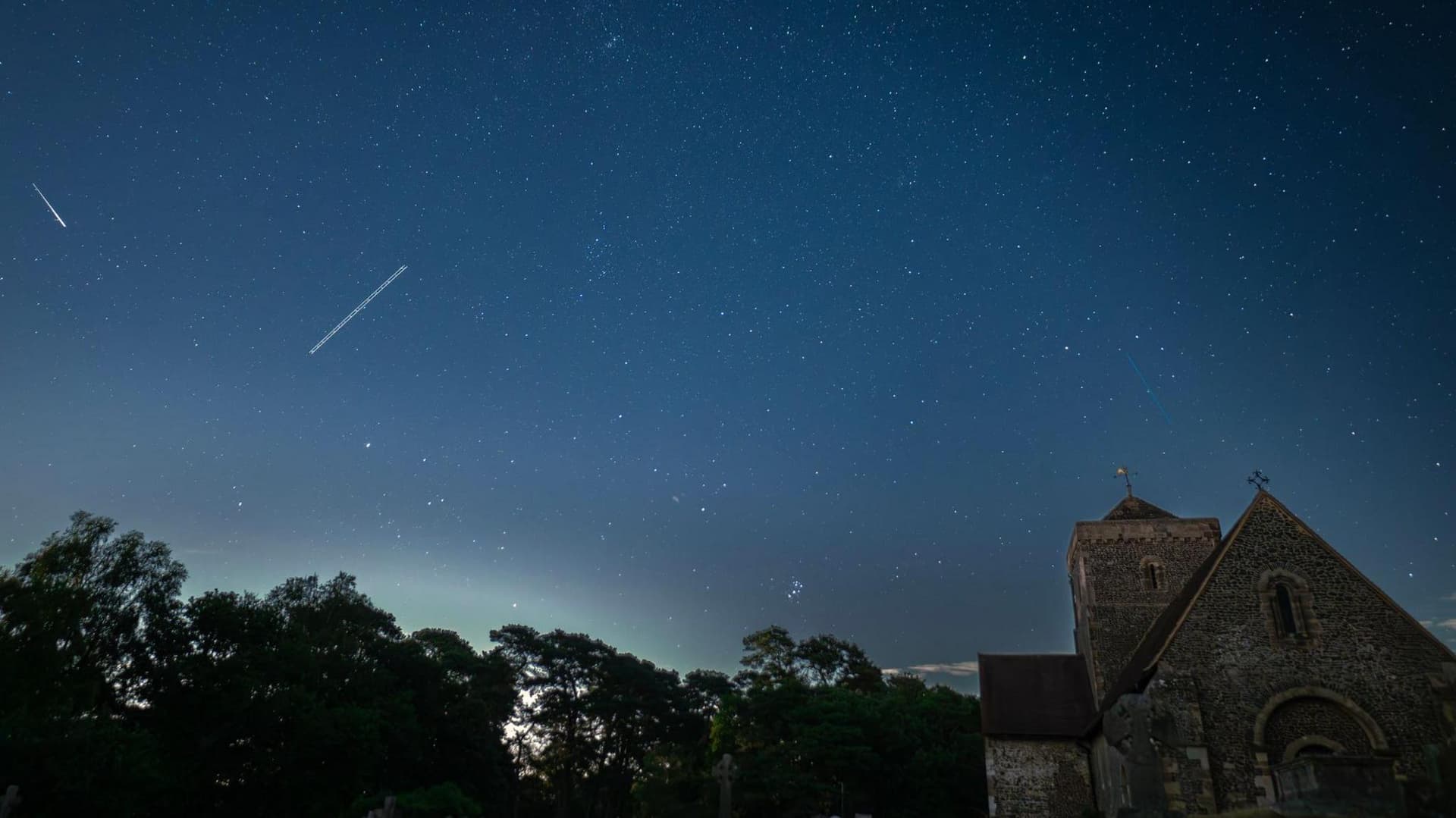
Clear skies after midnight on Wednesday, 22 April, will give people in the UK their best chance to see the Lyrid meteor shower at its peak, provided they get away from streetlights and find a site with an open horizon. BBC Weather’s Simon King has flagged near-perfect viewing conditions, and the difference matters: once cloud, glare and city light pollution are removed, the shower becomes far easier to spot.
The Lyrids are active from 16 to 25 April in 2026, but the best window is narrow. The American Meteor Society says the peak is predicted near 19:40 UTC on 22 April and is expected to be sharp, lasting only a few hours. That means what observers see will depend heavily on local darkness and the time of night, with the strongest UK viewing typically coming after midnight and before dawn.
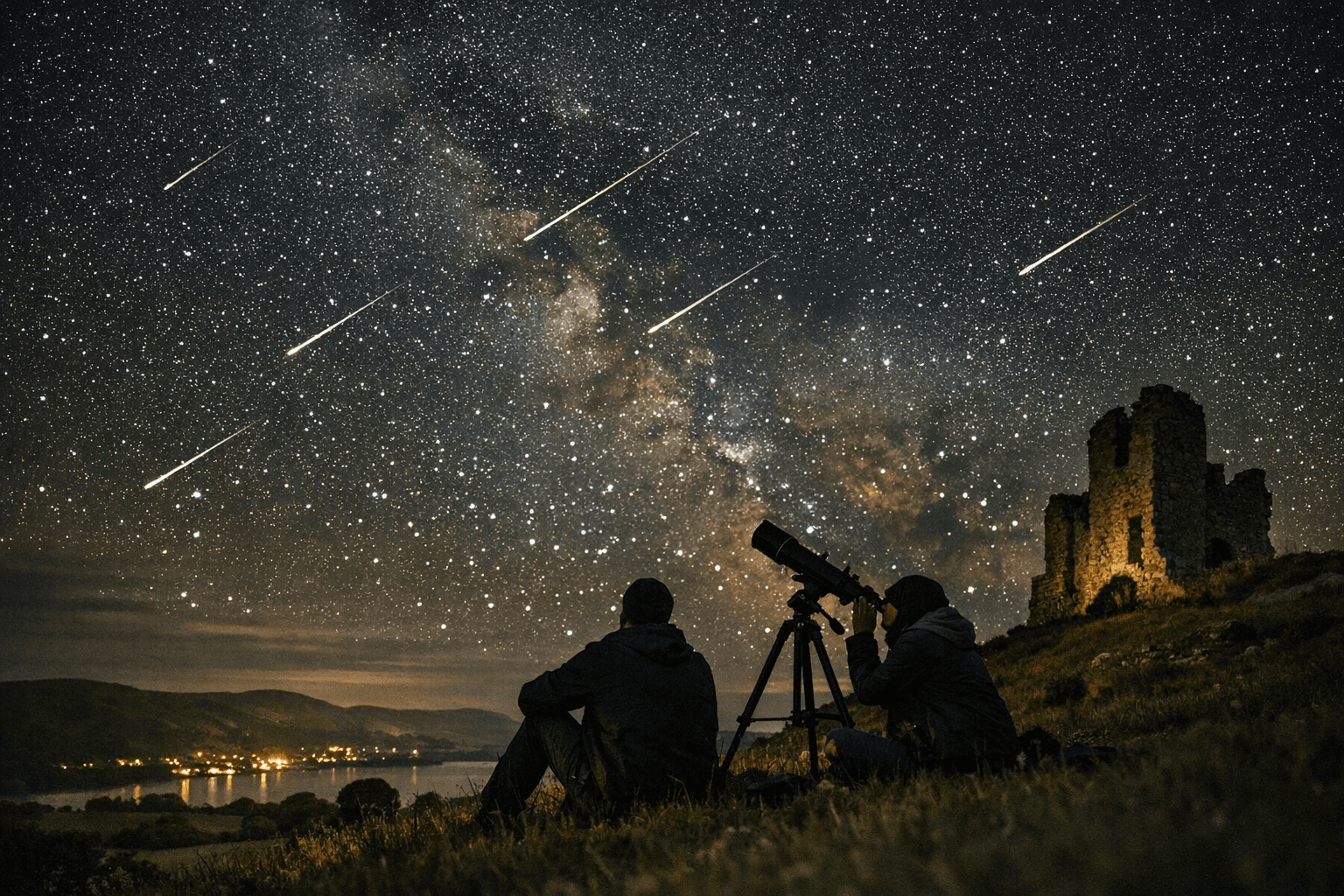
Under moonless conditions, the shower usually produces around 10 to 15 meteors an hour, plus the normal background rate of about five random meteors an hour. Some of those streaks can be bright meteors, and occasional fireballs are possible. The Royal Observatory Greenwich says the Lyrids travel at about 50 km/s, fast enough to leave short, vivid trails that can briefly cut across the sky.
The shower has a long history. The Royal Observatory Greenwich says the Lyrids are the oldest recorded meteor shower still visible today, first noted in 687 BCE. They are linked to long-period Comet C/1861 G1 Thatcher, which left behind the debris Earth now passes through each April.
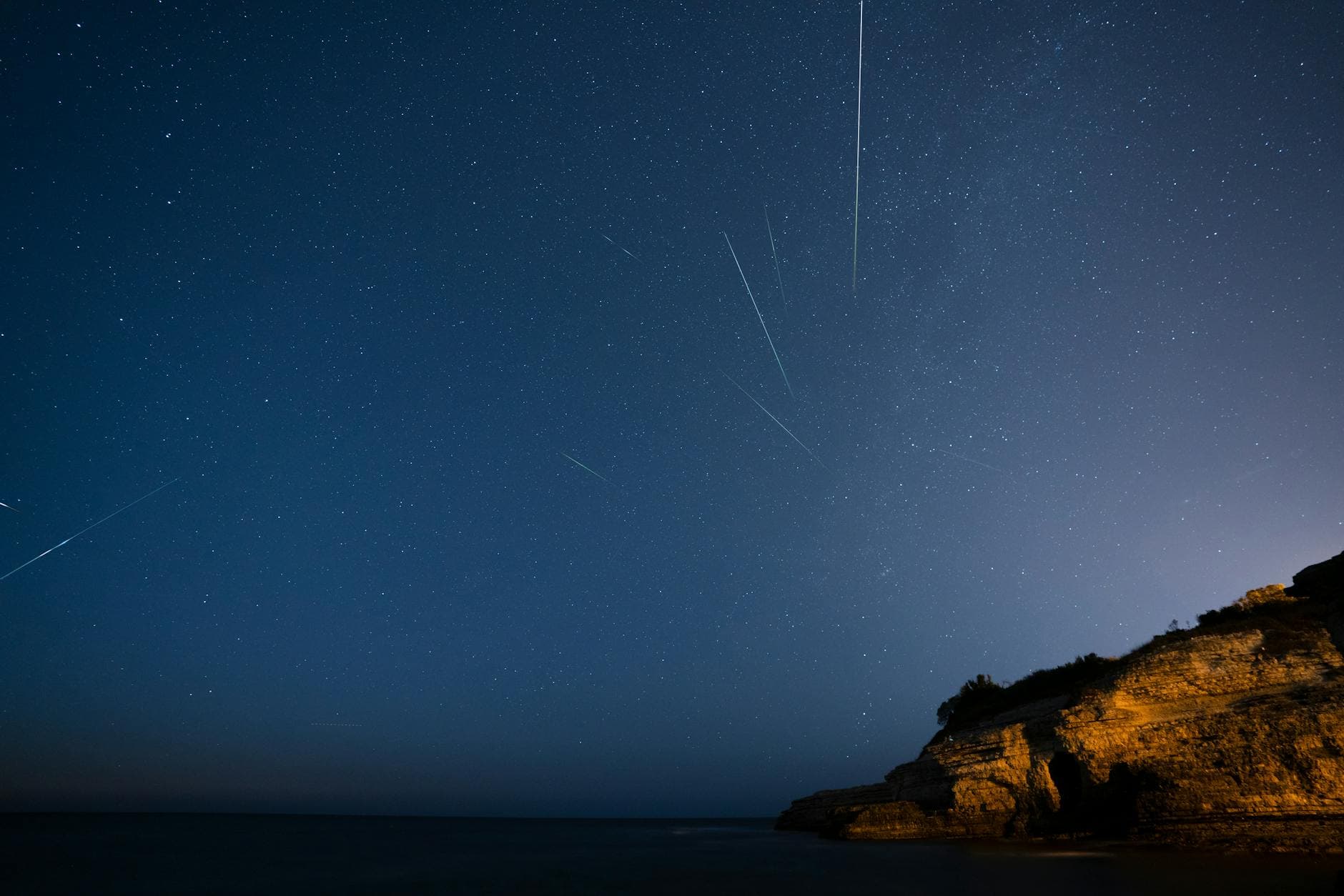
The radiant, the point in the sky from which the meteors appear to originate, sits in Lyra near Vega, but the meteors themselves can show up anywhere overhead. That is why the best strategy is simple: look for the darkest available place, avoid direct light, and give your eyes time to adjust. Urban observers will face more interference from light pollution, while people with access to rural roads, open fields or coastal viewpoints will have the clearest shot at the display.
This article was produced by Prism’s automated news system from verified source data, official records, and press releases, then run through automated quality and moderation checks before publishing. The system is built and supervised by the people who set the standards it runs under. Read our full AI policy.
Did this article answer your question?