MACC Chief Refuses to Address Bloomberg Report on Shareholdings and Alleged Interference
Malaysia's anti-corruption chief dismissed reporters with five words as a cabinet-ordered probe into his RM14 million shareholding sits unreleased and the government moves to sue Bloomberg.
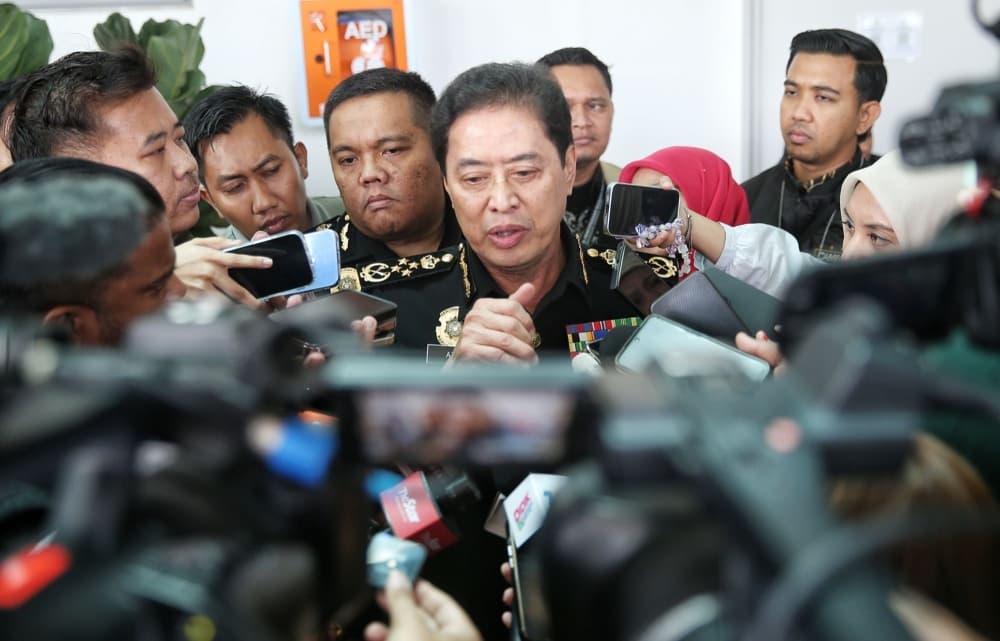
Tan Sri Azam Baki, the chief commissioner of the Malaysian Anti-Corruption Commission, offered reporters exactly five words when asked to address Bloomberg's latest investigation into his shareholdings and allegations of interference in the probe's disclosure: "I don't want to comment on Bloomberg." The terse dismissal, delivered on April 2, came at perhaps the worst possible moment for institutional credibility, with a cabinet-ordered inquiry into his share ownership still under wraps and the Attorney General's Chambers preparing legal action against the very outlet his agency chief refused to address.
The silence is the latest chapter in a story that has steadily expanded since February 10, when Bloomberg first reported that Azam held 17.7 million shares in Velocity Capital Partner Bhd, a financial services company, based on the firm's annual filing with the Companies Commission of Malaysia. That holding was flagged as a potential breach of a 2024 government circular barring civil servants from owning shares exceeding five percent of a company's paid-up capital or RM100,000 in value, whichever is lower. Bloomberg's follow-up investigation on February 12 went further, alleging that a network of businesspeople, described as a "corporate mafia," had colluded with senior MACC officers, through an internal unit known as Section D, to pressure executives into surrendering stakes in listed companies through raids, blackmail, and threats.
The cabinet responded on February 13 by ordering a Special Investigation Committee, led by Attorney-General Mohd Dusuki Mokhtar, to determine whether Azam's shareholding breached public service rules. The committee tabled its findings at a cabinet meeting on March 11, but those findings were not made public. On March 30, Bloomberg published a third report alleging that Prime Minister Anwar Ibrahim had personally instructed that the committee's conclusions be withheld, citing concern that releasing the shareholding findings would complicate a parallel probe into the corporate mafia allegations. The government flatly denied the claim. Chief Secretary Tan Sri Shamsul Azri Abu Bakar called it "unfounded and misleading," and the following day the AGC announced it would initiate formal action against Bloomberg over the interference allegation. Communications Minister Fahmi Fadzil, speaking on April 1, told the public that the findings would be released once all investigations concluded.
That timeline has satisfied neither civil society nor opposition observers. The Center to Combat Corruption and Cronyism has called for a Royal Commission of Inquiry, as has a coalition of other civil groups. Meanwhile, Azam himself is pursuing RM100 million in damages from Bloomberg, a lawsuit filed in February that the Committee to Protect Journalists described as an attempt to suppress reporting on a matter of clear public interest. Bloomberg has said it stands by its reporting.
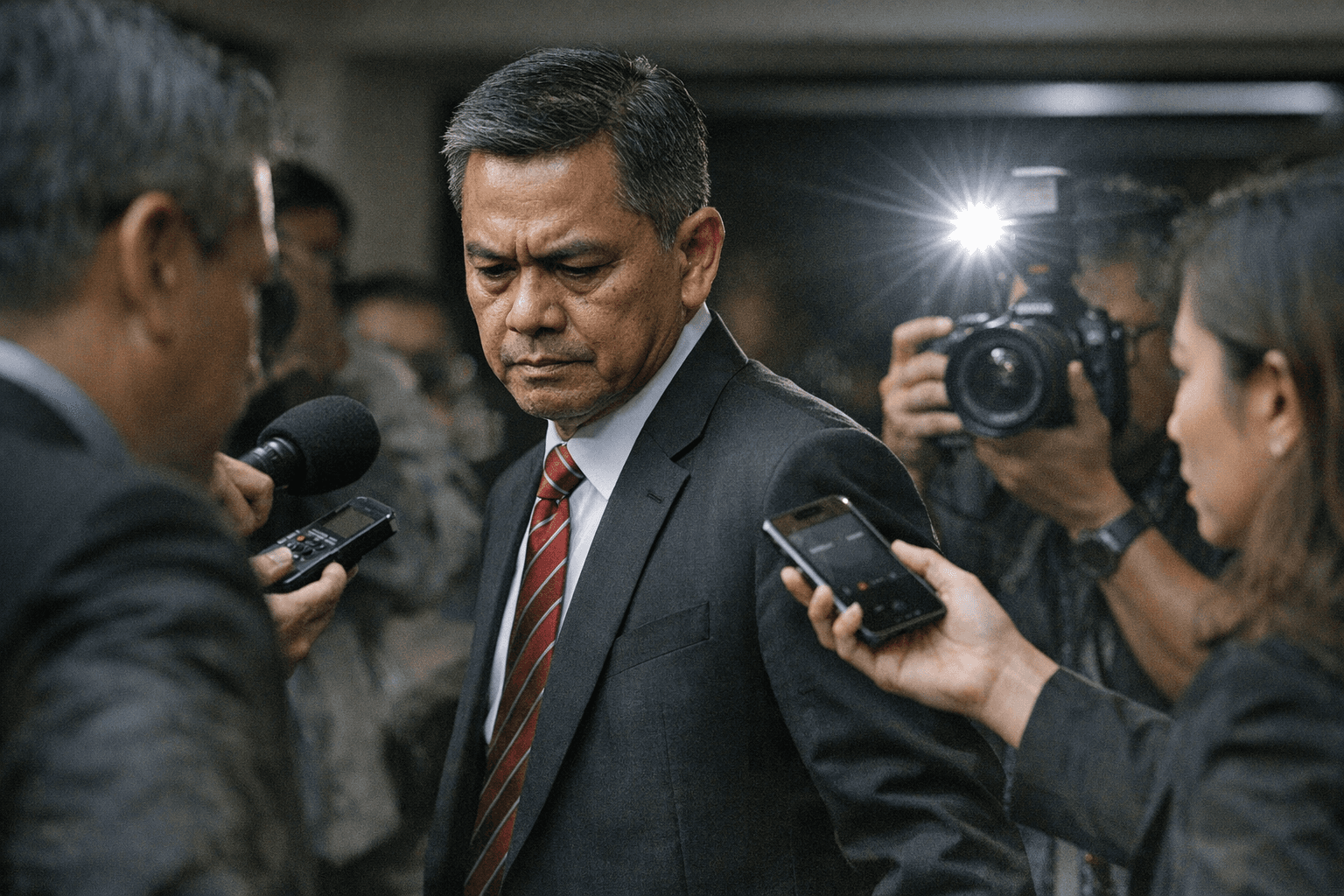
The governance problem at the heart of this episode is structural. The MACC exists specifically to investigate the abuse of power by public officials; the question of whether its own chief commissioner holds shares in excess of legal limits, and whether disclosure of that finding has been slowed by political calculation, is precisely the kind of question the agency was created to answer about others. Malaysia's parliament has not convened a dedicated oversight committee hearing on the matter. Asset declarations by senior public servants are not routinely made public. The three-person committee whose findings currently sit with the chief secretary operated without a clear public mandate for transparency or a fixed deadline for release.
Azam's tenure at MACC has been extended three times by Prime Minister Anwar Ibrahim, a fact that adds a further layer of complexity to any assessment of the government's handling of the probe's release. Whether the government chooses to publish the committee's findings, refer the matter to a Royal Commission, or allow the current opacity to persist will determine whether Malaysia's flagship anti-corruption institution can credibly operate while allegations against its most senior official remain unresolved in public view.
This article was produced by Prism’s automated news system from verified source data, official records, and press releases, then run through automated quality and moderation checks before publishing. The system is built and supervised by the people who set the standards it runs under. Read our full AI policy.
Did this article answer your question?