Macron installs allies in key posts to shape France beyond 2027
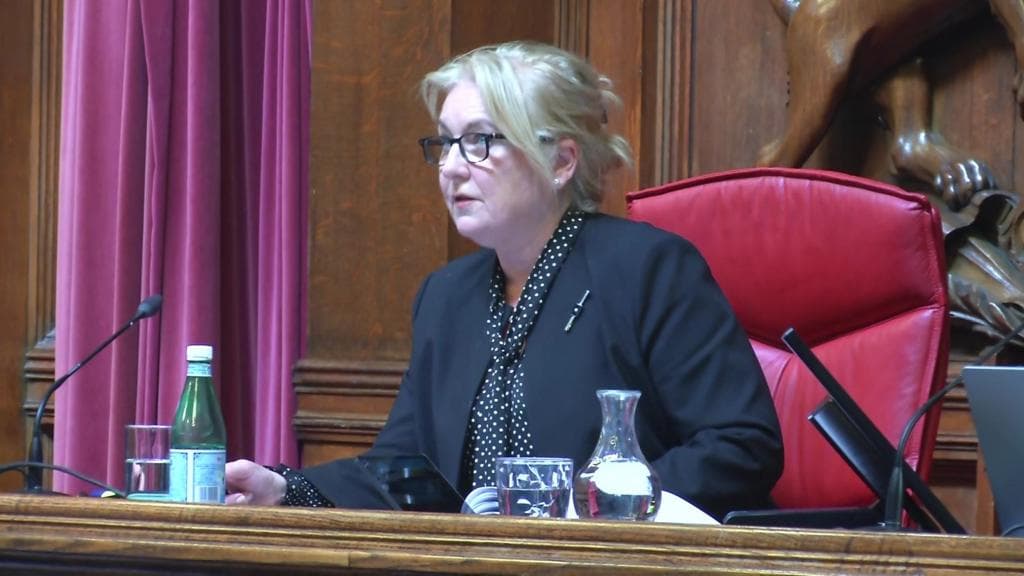
Macron has placed loyalists in France’s top constitutional, audit and central bank posts, positions that could outlast his presidency and constrain a far-right successor.
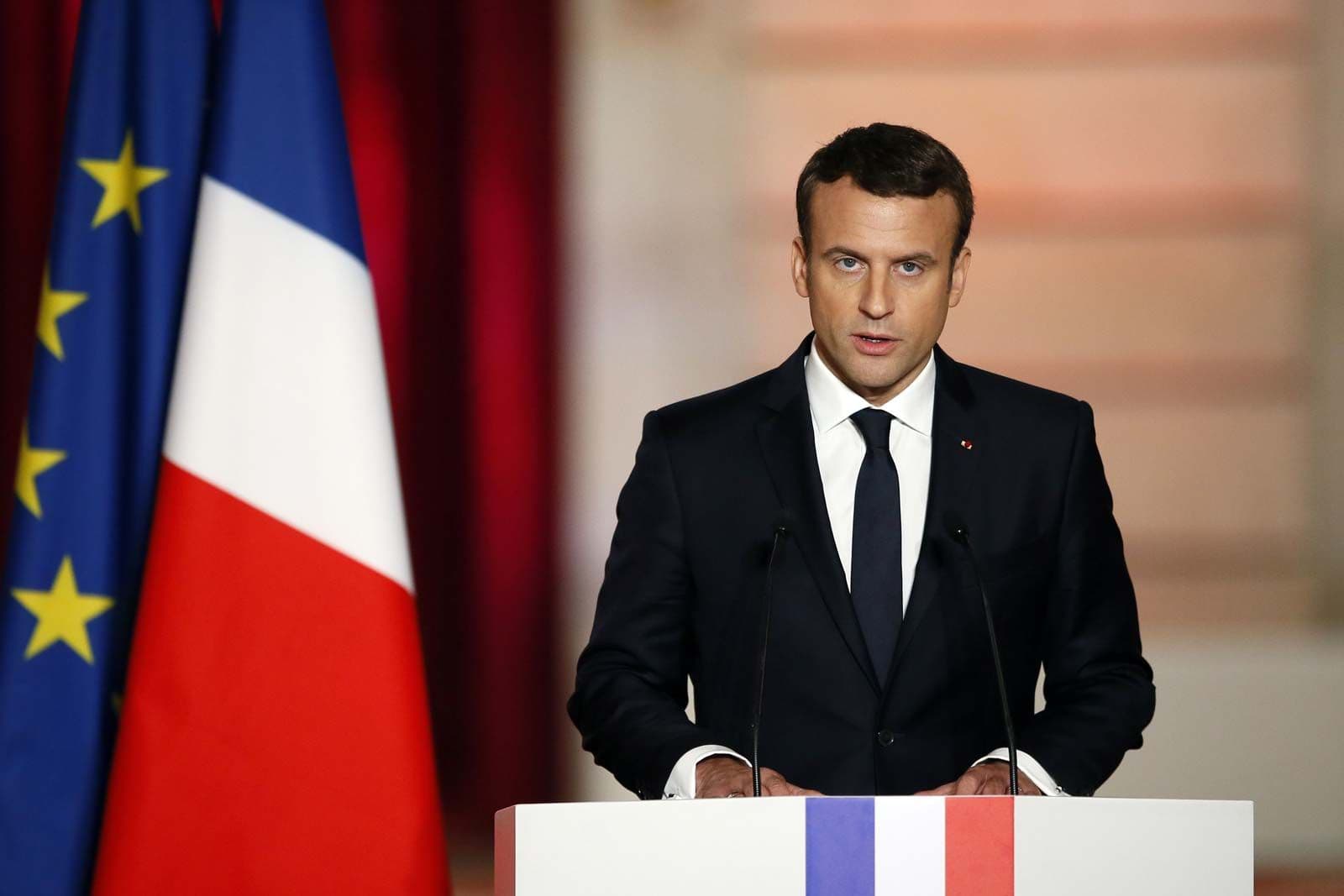
Emmanuel Macron is using the final stretch of his presidency to seed France’s most sensitive institutions with allies who will still be in place after he leaves office, a move that could shape the legal and financial limits of the 2027 race.
The stakes are unusually high because Macron cannot seek a third consecutive term, and the next presidential vote is set for April 2027, with a second round two weeks later if needed. Since the National Assembly was dissolved in June 2024, France has lived with a hung parliament and prolonged instability, a backdrop that has weakened Macron’s leverage while making control of durable state offices more consequential.
The sharpest example is Richard Ferrand, Macron’s longtime ally and former National Assembly president, who became head of the Constitutional Council on March 8, 2025. His nomination cleared Parliament by the narrowest possible margin after fierce criticism from opponents. The role is not ceremonial: the Constitutional Council is France’s highest constitutional authority, and its president serves a nine-year term, meaning Ferrand could still be shaping the legal terrain long after Macron leaves the Élysée Palace.
Macron has also moved to place Amélie de Montchalin at the Cour des comptes, France’s top audit institution. He appointed the former budget minister on February 11, 2026, and she took office on February 23, 2026, becoming the first woman to lead the body in its 219-year history. The Cour des comptes can scrutinize public finances, state spending and institutional performance, giving its leadership real weight in any future battle over how France is governed.
The next battleground is the Bank of France. Macron plans to nominate Emmanuel Moulin as governor, and the April 30, 2026 change in his chief of staff has been seen as smoothing the way for that move. The central bank governor wields influence over monetary policy and financial oversight, and the position will matter even more if François Villeroy de Galhau departs at the end of his term.
The political logic is plain. Jordan Bardella, the National Rally’s president, said in April 2025 that he would run in 2027 if Marine Le Pen is barred, sharpening the prospect of a far-right candidate entering the race with a realistic path to power. Macron’s supporters say these appointments are standard executive choices for institutions that must outlast one president. Critics see something else: a president who knows he cannot run again, but who can still shape the guardrails the next one will inherit.
This article was produced by Prism’s automated news system from verified source data, official records, and press releases, then run through automated quality and moderation checks before publishing. The system is built and supervised by the people who set the standards it runs under. Read our full AI policy.
Did this article answer your question?