Macron orders nuclear arsenal expansion and proposes European forward deterrence
Macron announced a nuclear build-up, permission for allied basing and joint exercises, and deeper partnerships with European states to extend deterrence.
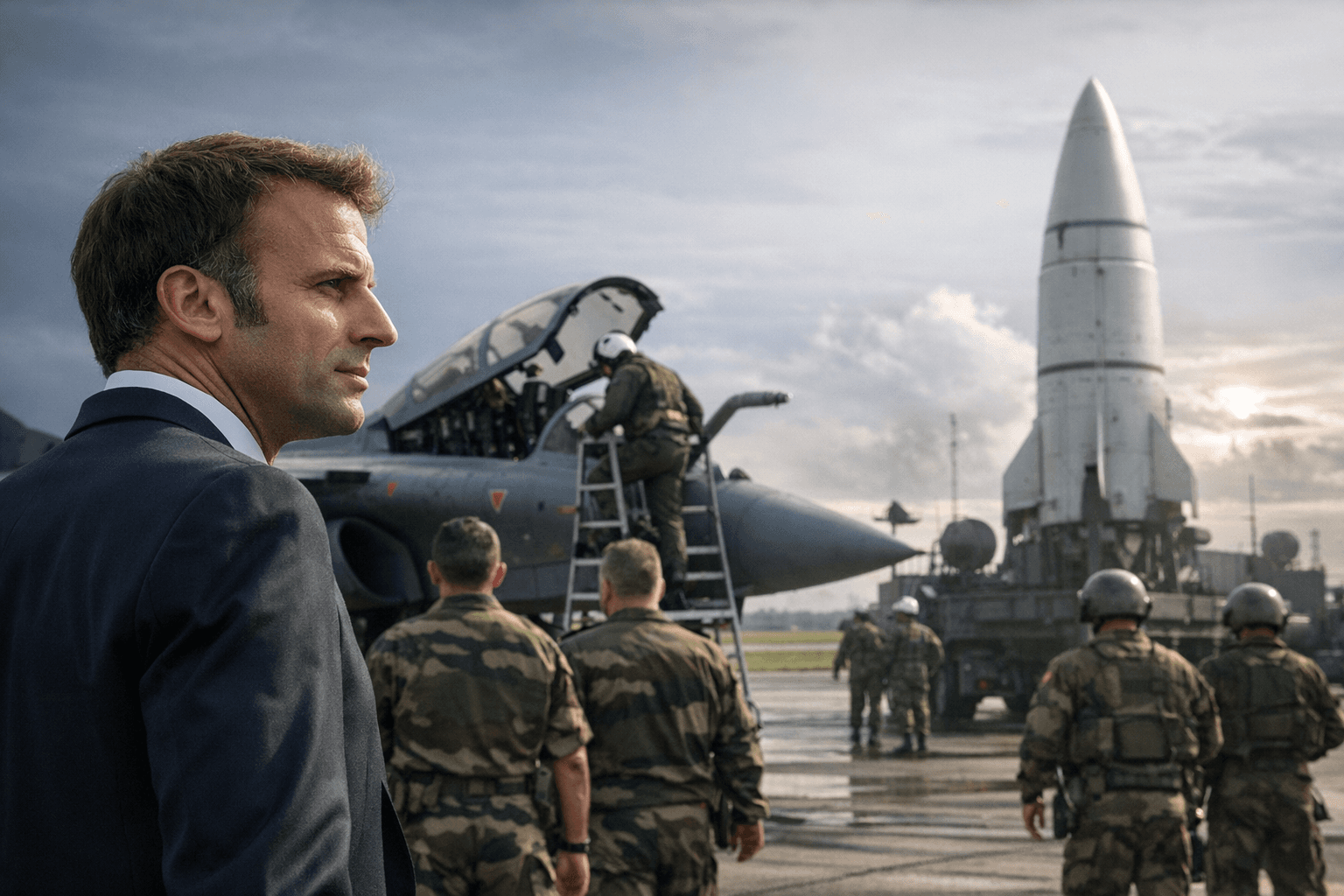
At France’s submarine base L’Ile Longue in Crozon, President Emmanuel Macron announced a major shift in French nuclear posture, ordering an expansion of the country’s nuclear arsenal and unveiling a structured deterrence arrangement with European partners. Standing next to the ballistic-missile submarine Le Temeraire (SSBN S617), Macron said, "We must strengthen our nuclear deterrent in the face of multiple threats, and we must consider our deterrence strategy deep within the European continent, with full respect for our sovereignty."
The package Macron set out on March 2 includes several concrete policy changes. Paris will increase its stockpile of warheads for the first time in decades, end the public disclosure of warhead totals, and for the first time permit the temporary deployment of French nuclear-capable aircraft to allied countries. He also opened the door to allied participation in deterrence exercises and to non-nuclear forces taking part in some nuclear-related activities. Macron framed the shift as strengthening Europe’s independence and resilience in the face of evolving threats and said he "will never hesitate" to protect France’s "vital interests."
Macron described the new framework as an "advanced deterrence" or forward posture distinct from, but intended to be complementary to, NATO nuclear arrangements. He insisted the program would be carried out "in full transparency with the United States," while preserving France’s sovereign decision-making: under the French constitution the president remains commander-in-chief, retaining sole authority over any use of nuclear weapons.
Initial briefings and reporting indicate a cohort of European partners has expressed interest in the initiative, with eight countries cited as potential hosts or exercise participants. Paris also moved quickly to signal bilateral alignment: officials said France and Germany announced plans for closer cooperation in the field of nuclear deterrence soon after Macron’s speech.
The announcement carries immediate defense and economic implications. An expanded warhead stockpile and the costs of enabling temporary basing, infrastructure upgrades and regular joint exercises will push military procurement budgets higher and lock in multiyear spending commitments. Such programs typically involve multi-decade procurement cycles and capital outlays that can reach into the billions of euros, shifting budgetary priorities and potentially increasing pressure on public finances and borrowing over the medium term.
Markets and defense industries should see sectoral effects. Higher procurement and hosting needs tend to benefit aerospace and defense contractors through new contracts for aircraft, munitions and base hardening, while changes to transparency and strategic posture could affect investor assessments of geopolitical risk in Europe. At the policy level, withdrawal of public warhead figures reduces a transparency norm that had helped constrain nuclear uncertainty since the Cold War and may complicate arms-control discussions with other states.
Significant details remain unclear. Macron did not publish numbers or a timetable for the warhead increase, and the identities of partner countries and the legal and command arrangements for temporary deployments were not disclosed. Analysts and policymakers will be watching for an official Élysée communique, the full speech text and bilateral agreements that clarify how Paris plans to manage command-and-control, basing costs and ties with NATO and the United States.
This article was produced by Prism’s automated news system from verified source data, official records, and press releases, then run through automated quality and moderation checks before publishing. The system is built and supervised by the people who set the standards it runs under. Read our full AI policy.
Did this article answer your question?