Macron refuses Trump pressure over France's digital services tax
France’s refusal to scrap its digital tax set up a fresh clash with Trump, who threatened 100% tariffs on French wine as G7 leaders met in Evian.
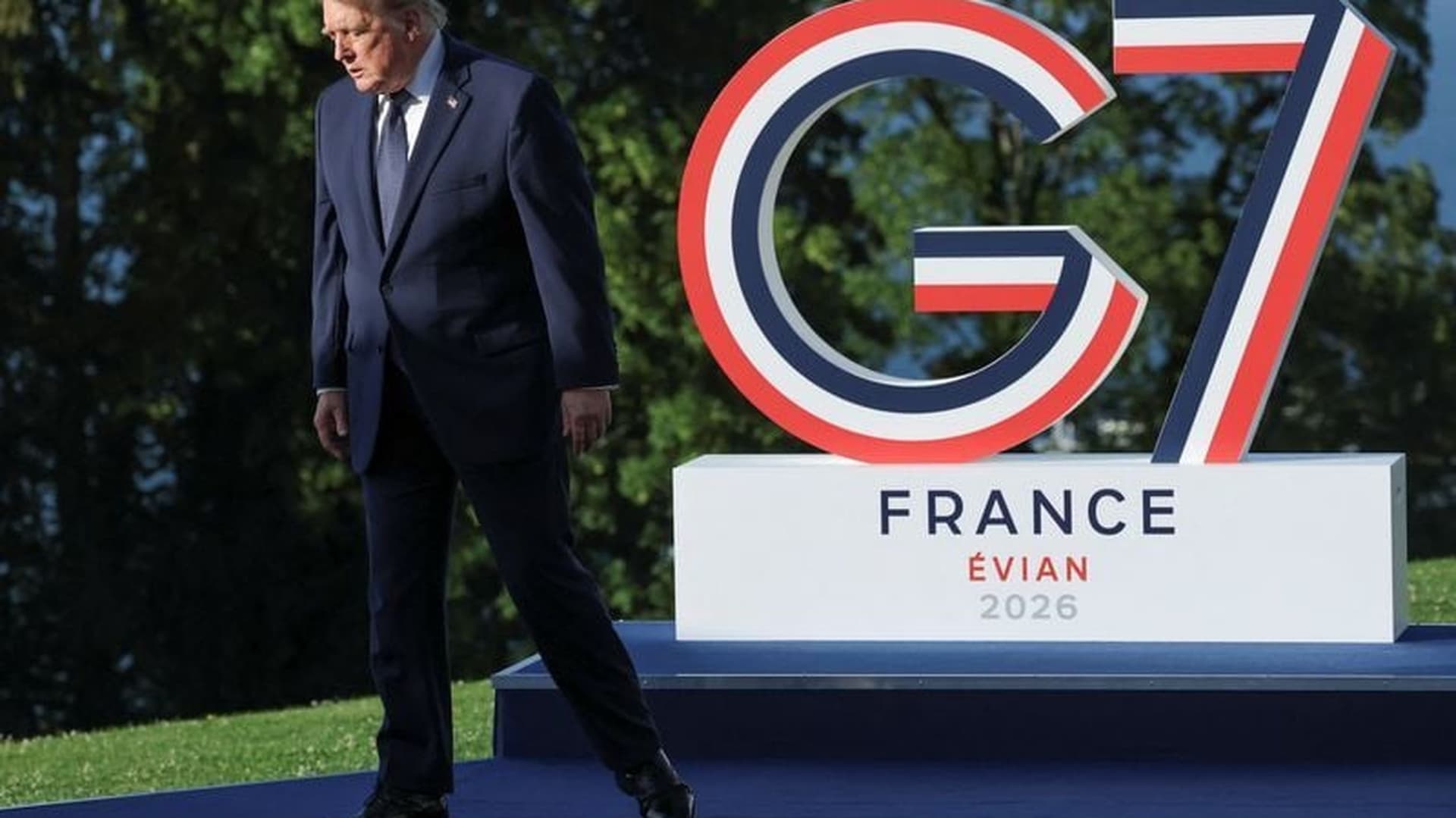
France’s refusal to abandon its digital services tax has turned a narrow fight over tech taxation into a broader test of how far close U.S. allies will absorb trade pressure before pushing back. If the dispute escalates, consumers could face higher prices on wine and spirits, digital firms could face new retaliation, and transatlantic ties could take another hit just as President Emmanuel Macron and President Donald Trump were due to meet at the G7 summit in Evian-les-Bains.
The tax at the center of the clash is France’s 3% levy on gross revenue from certain digital services. Introduced in 2019, it applies to companies with more than €750 million in worldwide digital revenues and more than €25 million in French revenues. Trump has long argued that the measure unfairly targets American technology companies, and he warned that the United States would have no choice but to impose 100% tariffs on French wine if Paris kept the tax in place. The White House did not immediately respond to the report describing the exchange.

Macron, speaking on TF1 from the summit, drew a clear line on sovereignty, saying that the United States does not decide European or French law. His comments suggested Paris sees the digital tax not as a bargaining chip, but as part of France’s legal framework. The G7 meeting in Evian-les-Bains ran from June 15 to June 17, 2026, and the Élysée said the resort was hosting the summit 23 years after the 2003 Evian G8 and 7 years after the 2019 G7 in Biarritz.
The timing sharpened the stakes for both sides. The dispute broke out hours before Macron and Trump were set to meet in person, with the summit already carrying heavy geopolitical weight over Ukraine, tensions involving Iran, and other economic strains. For European governments, the episode reinforced a larger concern that Washington could use market access threats to force policy changes overseas, while Macron signaled that France may answer pressure with its own countermeasures rather than retreat.
The fight also has a long paper trail. In December 2019, the U.S. Trade Representative concluded that France’s digital services tax was unreasonable or discriminatory and proposed 25% duties on selected French products, moving the issue into a formal retaliation process. French wine and spirits exporters said Trump’s latest tariff threat was bad news for an export-dependent industry already caught in a dispute beyond its control.
This article was produced by Prism’s automated news system from verified source data, official records, and press releases, then run through automated quality and moderation checks before publishing. The system is built and supervised by the people who set the standards it runs under. Read our full AI policy.
Did this article answer your question?


