Maersk to resume MECL trans‑Suez service via Red Sea
Maersk announces it will structurally return MECL sailings through the Suez Canal after successful test transits; stepwise reintroduction begins mid‑January.
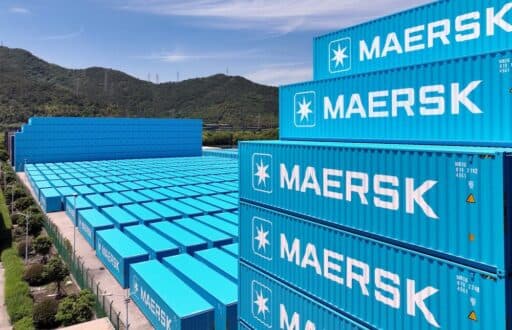
A.P. Moller–Maersk announces it will "structurally return" its MECL (Middle East–India–U.S. East Coast) container service to trans‑Suez routing through the Red Sea and Suez Canal, saying stability in the corridor and recent trial transits permit a measured reintroduction of capacity.
The carrier said the change will be implemented stepwise beginning in mid‑ to late January. Maersk identifies the Maersk Detroit, voyage 602E, which departed North Charleston on January 10, as the first eastbound sailing to use the trans‑Suez route in this structural shift. The Cornelia Maersk, voyage 603W, departed Jebel Ali on January 15 as the first westbound sailing in the re‑routing. Maersk also used the U.S.-flagged Maersk Denver, which transited the Suez Canal on January 11–12, as part of test transits to validate the corridor.
The MECL service is operated solely by Maersk and links Indian and Middle Eastern load points with U.S. East and Gulf Coast destinations. Published port calls include Jawaharlal Nehru (Nhava Sheva), Pipavav and Mundra in India; Jebel Ali and Salalah in the Middle East; Port of Tangier in Morocco; and U.S. calls at Newark, Norfolk, Savannah and Charleston on the East Coast plus Houston on the Gulf. Maersk framed the return as aligning the service with its originally designed pattern to deliver shorter transit times where security conditions allow.
The reintroduction reverses routing changes that began in early 2024, when widespread diversions around the Cape of Good Hope became common after Houthi militant attacks in the Bab el‑Mandeb and Red Sea caused fatalities and ship losses. Those attacks killed nine seafarers, sank four vessels and damaged dozens, lengthened voyages and shifted bunker demand to southern African ports such as Cape Town, Durban and Port Louis. Maersk says moving MECL back through Suez should restore faster, more efficient east‑west sailings and could shift bunkering demand back toward Egyptian ports including Suez and Port Said.
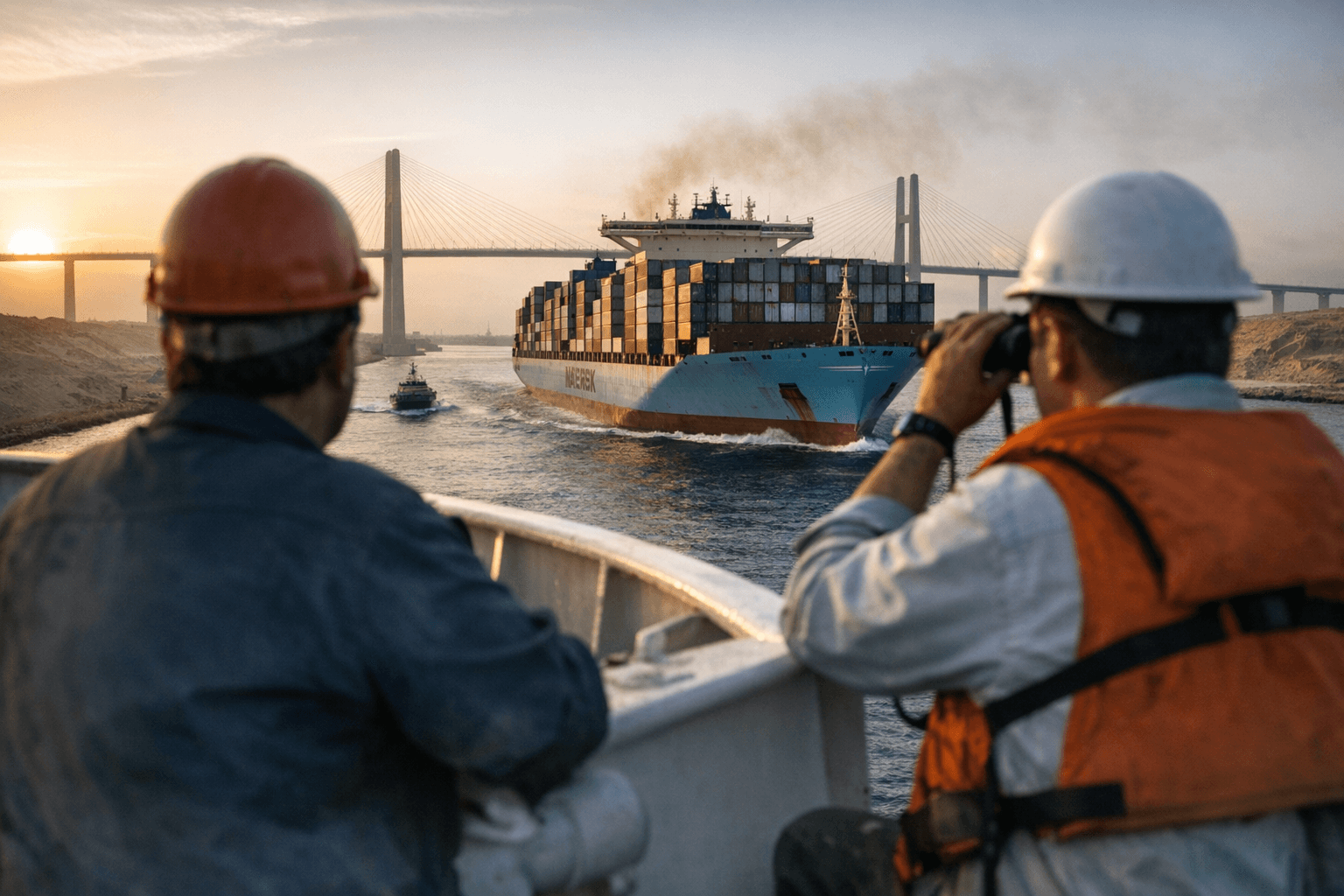
Market participants say broader normalization of Suez transits could be sizable. Industry analysts estimate that up to 2 million twenty‑foot equivalent units could return to the Suez Canal if carriers re‑route East‑West services en masse. That re‑concentration would reduce average voyage distances, lower operating costs for container lines and could exert downward pressure on some tanker freight ceilings in 2026 as tonnage patterns and bunker demand change amid concurrent sanctions and market factors.
Maersk emphasized it will continue close monitoring of security conditions in and around the Red Sea. Company advisories note contingency options include reverting individual sailings or the entire MECL loop to the longer Cape of Good Hope route should threats re‑emerge. Maersk also pointed to strategic coordination with the Suez Canal Authority and other regional partners as instrumental in planning the resumption; a meeting with the canal authority in late 2025 helped shape operational readiness.
For shippers and commodity markets, the stepwise return signals a potential easing of supply‑chain friction that raised transit times and costs over the past two years. Yet the company and analysts caution that the move is conditional on sustained regional stability, and that any escalation could rapidly reverse routing decisions and associated market effects.
This article was produced by Prism’s automated news system from verified source data, official records, and press releases, then run through automated quality and moderation checks before publishing. The system is built and supervised by the people who set the standards it runs under. Read our full AI policy.
Did this article answer your question?
%3Amax_bytes(150000)%3Astrip_icc()%2FCertificate-of-deposit-2301f2164ceb4e91b100cb92aa6f868a.jpg&w=1920&q=75)