Magnitude 4.2 quake near San Ramon part of swarm; thousands felt
A magnitude 4.2 quake near San Ramon was the largest in a swarm of more than a dozen temblors on Feb. 2; thousands across the Bay Area, including San Francisco, reported feeling the shaking.
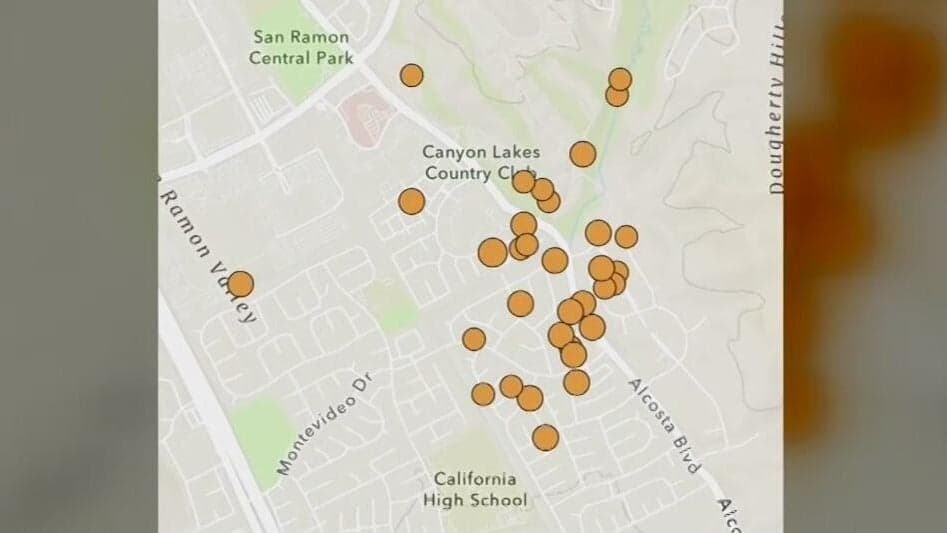
A magnitude 4.2 earthquake struck near San Ramon on the morning of Feb. 2 as part of an earthquake swarm that produced more than a dozen temblors in the East Bay. Thousands of residents across the Bay Area, from Contra Costa County to San Francisco, reported feeling the shaking, which prompted heightened monitoring by regional seismic and emergency-management agencies.
The strongest event in the sequence measured 4.2 magnitude and was centered near San Ramon. The sequence of smaller quakes that accompanied it fits the pattern seismologists call a swarm - clusters of events without a single, dominant mainshock. Swarms can persist for days or weeks and complicate short-term hazard assessment because they include many small shocks and occasional moderate tremors.

Local impact in San Francisco County was primarily reports of shaking rather than widespread damage. City and county emergency systems recorded increased public inquiries and traffic to preparedness resources following the tremors. No major injuries or structural collapses have been reported in San Francisco as of Feb. 4. Residents described rattled dishes and brief interruptions to routine, underscoring how even moderate quakes can be disruptive in dense urban neighborhoods.
The event raises policy and planning issues for regional and local governments. San Francisco's seismic-safety programs, including soft-story retrofit mandates and inspection regimes, are designed to reduce the risk posed by stronger earthquakes. The swarm highlights the continuing need to fund and implement retrofit work, maintain critical infrastructure resilience, and ensure emergency communication networks reach residents quickly. County-level coordination among the San Francisco Office of Emergency Management, Contra Costa County, and state seismic agencies will be important for information sharing and community outreach as aftershocks continue.
Preparedness remains the practical priority for residents. The Bay Area relies on early-warning technology and public-alert systems that can provide seconds of lead time for some shaking; those systems are complements to household readiness measures such as securing heavy furniture, maintaining an emergency kit, and reviewing family communication plans. Neighborhood-level organizations and community emergency response teams play a key role in reaching vulnerable populations and checking on older adults after a quake.
Seismologists will continue to monitor the swarm to determine whether activity tapers off or shifts. For San Francisco County residents, the immediate takeaway is to treat the episode as a reminder to update emergency plans and to confirm that home and workplace preparations are current. Continued vigilance, targeted retrofit investments, and clear interagency coordination will shape how well the region weathers this swarm and future seismic episodes.
Sources:
Know something we missed? Have a correction or additional information?
Submit a Tip