Magnitude 7.4 Earthquake Strikes Eastern Indonesia, Triggering Regional Tsunami Warnings
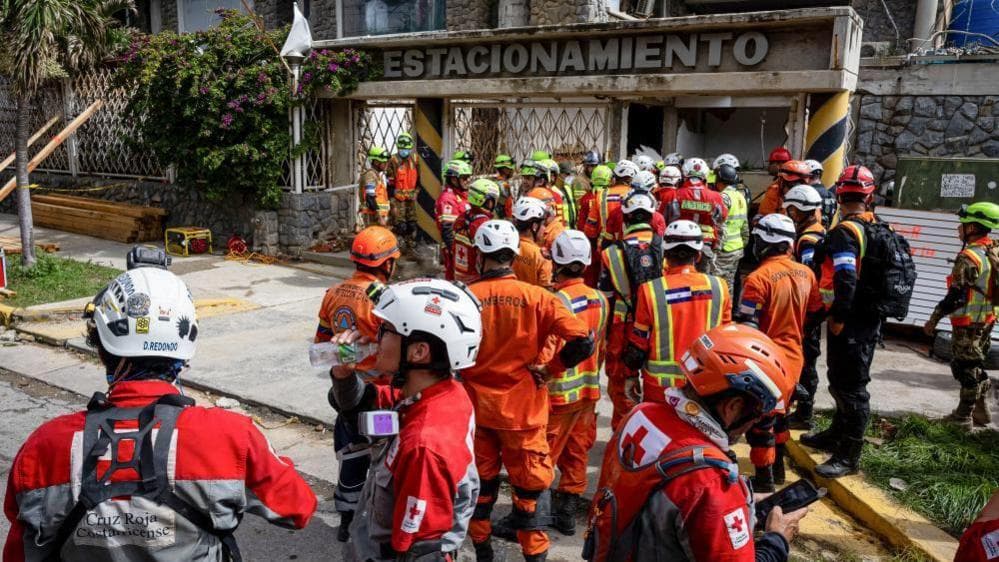
One person died and tsunami waves hit two Indonesian coastlines within 30 minutes after a magnitude 7.4 earthquake struck the Northern Molucca Sea.
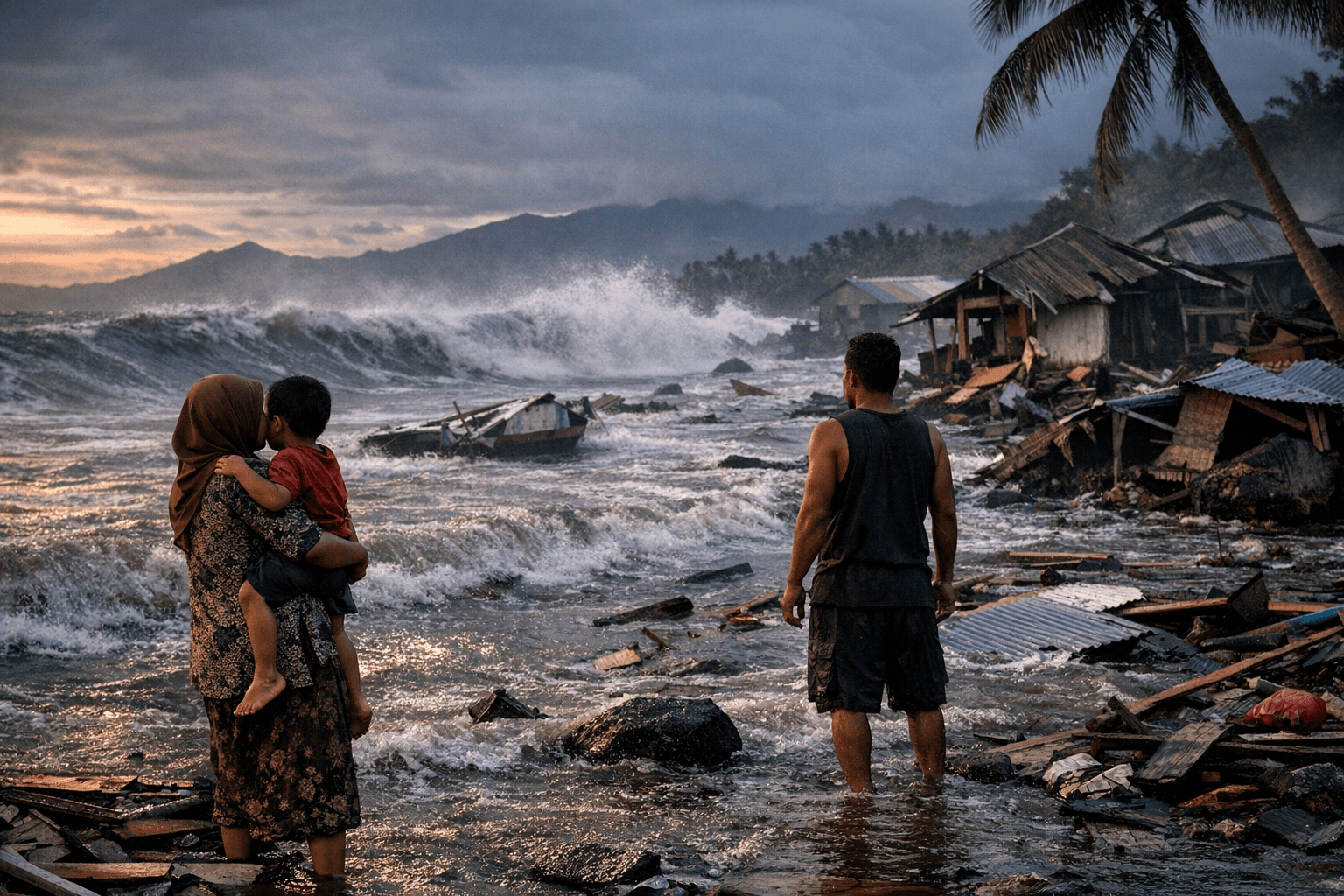
A magnitude 7.4 earthquake struck the Northern Molucca Sea in eastern Indonesia early Thursday, triggering tsunami warnings from Honolulu to Jakarta and sending coastal residents in North Maluku and North Sulawesi fleeing before confirmed waves reached shore.
The quake hit at 6:48 a.m. local time, with its epicenter approximately 127 kilometers west-northwest of Ternate, North Maluku's largest city and home to more than 200,000 people, at a depth of 35 kilometers. The U.S. Geological Survey initially measured it as high as magnitude 7.8 before revising the figure to 7.4 and correcting the depth from an initial estimate of 10 kilometers.
Indonesia's Meteorology, Climatology and Geophysics Agency (BMKG) issued tsunami warnings with "alert" and "caution" designations for North Maluku and North Sulawesi within minutes. The Pacific Tsunami Warning Center in Honolulu extended the threat zone to coastlines within approximately 1,000 kilometers of the epicenter, covering parts of Indonesia, the Philippines, and Malaysia. Japan's Meteorological Agency warned of Pacific impact but expected no significant damage there, projecting waves of up to 0.2 meters.
The warnings proved justified. Monitoring stations recorded a 30-centimeter wave at West Halmahera in North Maluku province and a 20-centimeter wave at the port city of Bitung in northeastern Sulawesi, both within 30 minutes of the quake. Local authorities in Ternate and the neighboring island of Tidore, historically known as the Spice Islands, were urged to prepare evacuation plans, while coastal residents across the region were told to stay away from beaches and riverbanks.
One person died from falling rubble in the Manado area, Indonesian broadcaster Metro TV reported. Manado, the capital of North Sulawesi with a population of about 450,000, shook hard enough to wake an AFP journalist stationed there. A local resident told Reuters that people ran from their homes in panic, items fell off shelves, and power had been cut in parts of the city, though she reported no visible structural damage in her neighborhood. In Ternate, resident Budi Nurgianto, 42, described the shaking to AFP: "The quake was felt strongly. I heard it first from the walls of the house that shook," adding that neighbors fled outside in panic. "The quake was felt (for) quite long, more than a minute. I even saw some people leaving their house without having finished their shower." At least five aftershocks followed the main event, the largest reaching magnitude 5.0.
Indonesia straddles the Pacific Ring of Fire, and the Northern Molucca Sea quake fits a grim national pattern. In 2022, a magnitude 5.6 earthquake killed at least 602 people in Cianjur, West Java. Before that, a magnitude 7.5 quake and tsunami in Palu, Central Sulawesi, killed more than 4,300 people in 2018. Both disasters exposed weaknesses in warning chains and coastal evacuation systems. The 2004 Indian Ocean earthquake, a magnitude 9.1 rupture off Aceh province, killed more than 170,000 people in Indonesia alone and permanently reshaped global standards for tsunami preparedness.
Thursday's response, with BMKG warnings issued rapidly and PTWC coordination extending alerts across the Pacific, reflected measurable progress from those earlier failures. Wave readings from West Halmahera and Bitung arrived within the first warning window, giving authorities real-time data to calibrate their evacuation orders. The harder measure is whether that information reached the most remote communities in the Maluku island chain in time.
This article was produced by Prism’s automated news system from verified source data, official records, and press releases, then run through automated quality and moderation checks before publishing. The system is built and supervised by the people who set the standards it runs under. Read our full AI policy.
Did this article answer your question?