Major Gas Suppliers Threaten EU Exit Over 5% Revenue Sustainability Penalty
Executives from ExxonMobil and QatarEnergy warned at ADIPEC that they could stop doing business with the European Union unless Brussels loosens a sustainability law that allows fines of up to 5% of global revenue. The standoff raises immediate risks for European energy security, could tighten global LNG markets, and forces EU policymakers to balance climate enforcement against near-term supply and price instability.
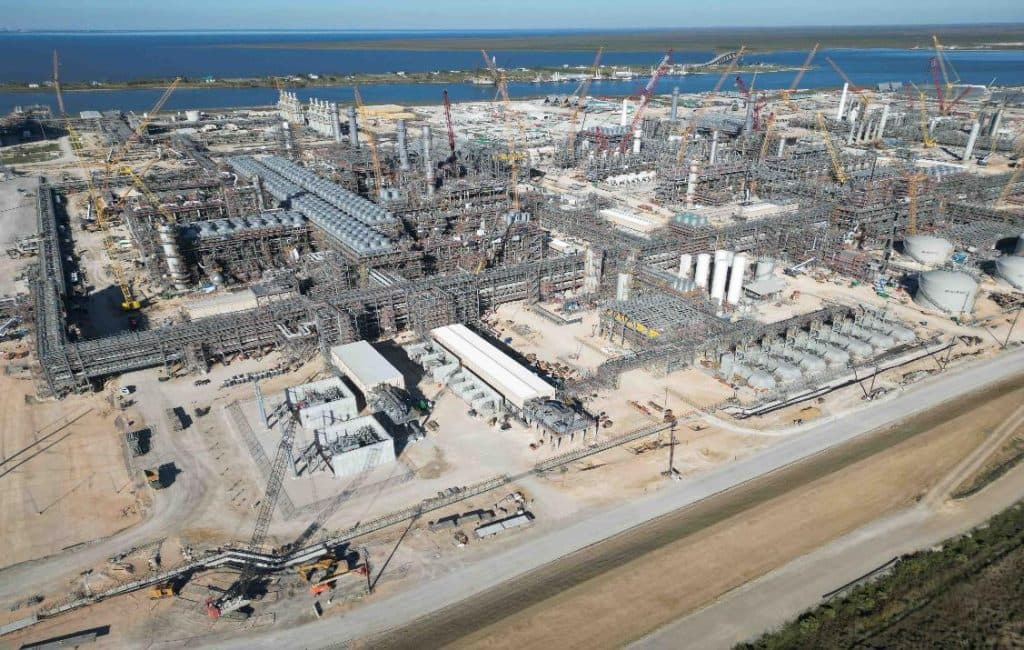
Executives from two of Europe’s largest natural gas suppliers delivered stark warnings at the Abu Dhabi International Petroleum Exhibition & Conference, saying they may cease business with the European Union if a new sustainability law remains unchanged. The measure, which the companies say would effectively expose multinational energy firms to penalties as large as 5% of global revenue, has prompted senior industry figures to threaten an economic withdrawal that would reverberate through European energy markets.
At the heart of the dispute is a sustainability regime that Brussels has framed as a tool to enforce environmental standards across supply chains. Company leaders argue the law’s punitive scale and extraterritorial reach make continued commercial engagement with the EU commercially untenable, a position underscored by a renewed threat from QatarEnergy to halt liquefied natural gas deliveries to Europe. The move comes at a sensitive moment: European markets reoriented sharply toward LNG after Russia’s reduction of pipeline deliveries, and suppliers from the Middle East, North America and beyond have played a central role in keeping storage levels adequate for winter demand.
A withdrawal of large suppliers would immediately tighten an already globalized LNG market. European buyers, many of whom rely on contracted volumes to underwrite power generation and industrial output, could face a scramble to source cargos, with potential price spikes feeding through to household energy bills and industrial costs. Market participants caution that rerouting volumes would likely favor higher-paying Asian buyers, exacerbating competition and pricing pressure for Europe. The risk is not merely short-term volatility: investment in new liquefaction capacity and long-lead infrastructure depends on regulatory predictability. A credible threat of punitive fines coupled with a posture of confrontation could depress investment appetite for Europe-focused projects, raising medium-term supply risks.
Policy choices in Brussels will need to weigh the law’s climate objectives against these energy-security and economic consequences. The potency of a 5% revenue penalty, potentially translating into multibillion-dollar liabilities for the largest exporters, gives suppliers strong leverage. Options available to EU policymakers include targeted amendments, phased compliance timelines, or carve-outs for contracted fossil-fuel deliveries while preserving broader sustainability aims. Each option carries trade-offs: softer rules could undermine the EU’s climate credibility, while a hardline stance could leave Europe exposed to supply disruptions during a fragile energy transition.
The industry signals extend beyond these immediate threats. Separately, North American producers continue to adjust cost structures and staffing; a company memo revealed forthcoming layoffs in Canada at ConocoPhillips, underscoring how producers are rebalancing in response to market and policy dynamics. Together, these developments highlight a crucial tension in the energy transition: achieving ambitious decarbonization goals without destabilizing the supply chains that underpin modern economies. The coming weeks of negotiations between Brussels and major suppliers will determine whether Europe can enforce a stringent sustainability framework without prompting a costly commercial exodus.
Know something we missed? Have a correction or additional information?
Submit a Tip