Make malfatti at home with a simple ricotta and spinach method
A straightforward method shows how to make pillowy ricotta and spinach malfatti at home. It’s an approachable fresh-pasta project that needs minimal equipment and yields comforting results.
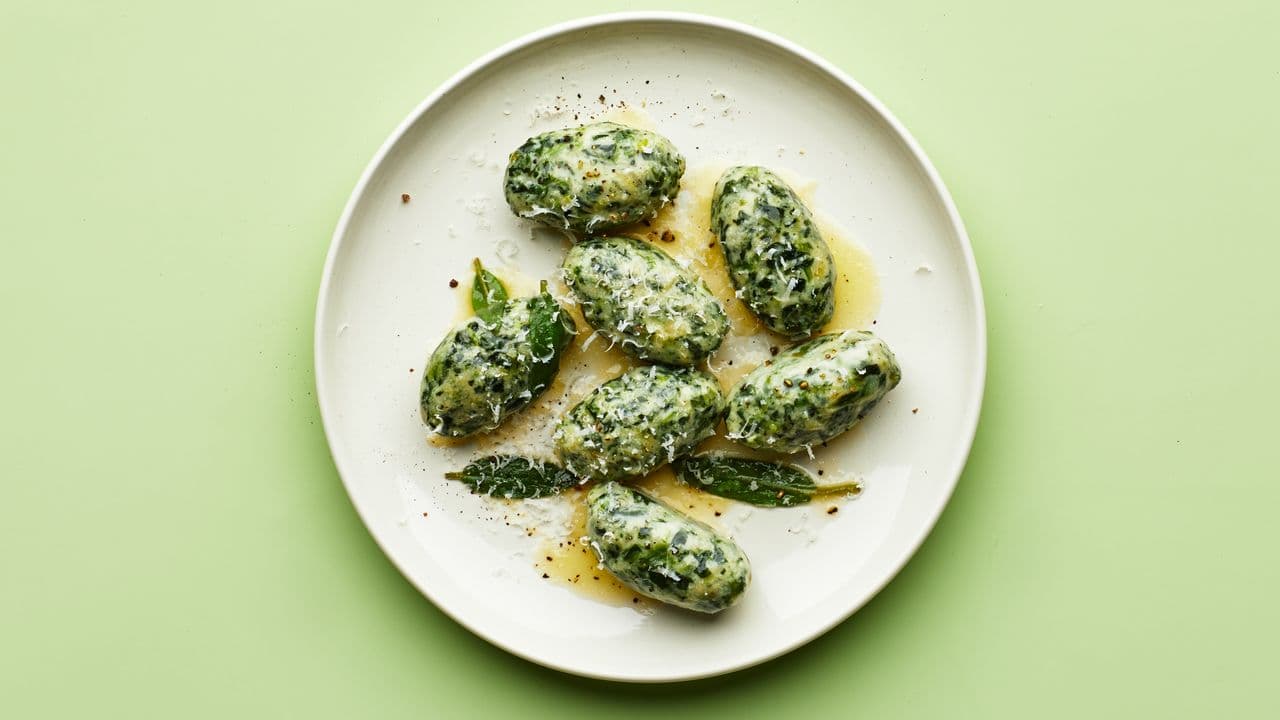
Malfatti, those pillowy dumplings that sit somewhere between gnocchi and ravioli, are back in the kitchen as a go-to fresh-pasta project for home cooks. The name literally means "badly made," and that is the point: malfatti are intentionally rustic and forgiving, designed to be quick, hands-on, and satisfying even for beginners.
The basic formula is simple and hard to mess up. Combine ricotta with greens, spinach is the most common choice, then add an egg, grated hard cheese, a pinch of nutmeg, and just enough flour to bring the mixture together into a soft, slightly sticky dough. The texture should be loose rather than firm; overworking or adding too much flour defeats the pillowy character that defines malfatti.
Shaping is minimal. Drop rough spoonfuls of the mixture directly into boiling salted water and cook until they float, about four to five minutes. That floating test is both reliable and forgiving: malfatti will hold together without precise shaping or the rolling, cutting, and tooling traditional fresh pasta often requires. Because they are meant to be imperfect, there’s no need to fuss with uniformity, variations in size and shape are part of the charm.
Classic finishes are straightforward and leverage simple pantry ingredients. Browned butter with sage and a generous grating of Parmesan makes for a near-perfect pairing that highlights the dumplings’ creamy center. For a brighter option, toss malfatti in a light tomato or herb-forward sauce that won’t overwhelm their delicate texture.
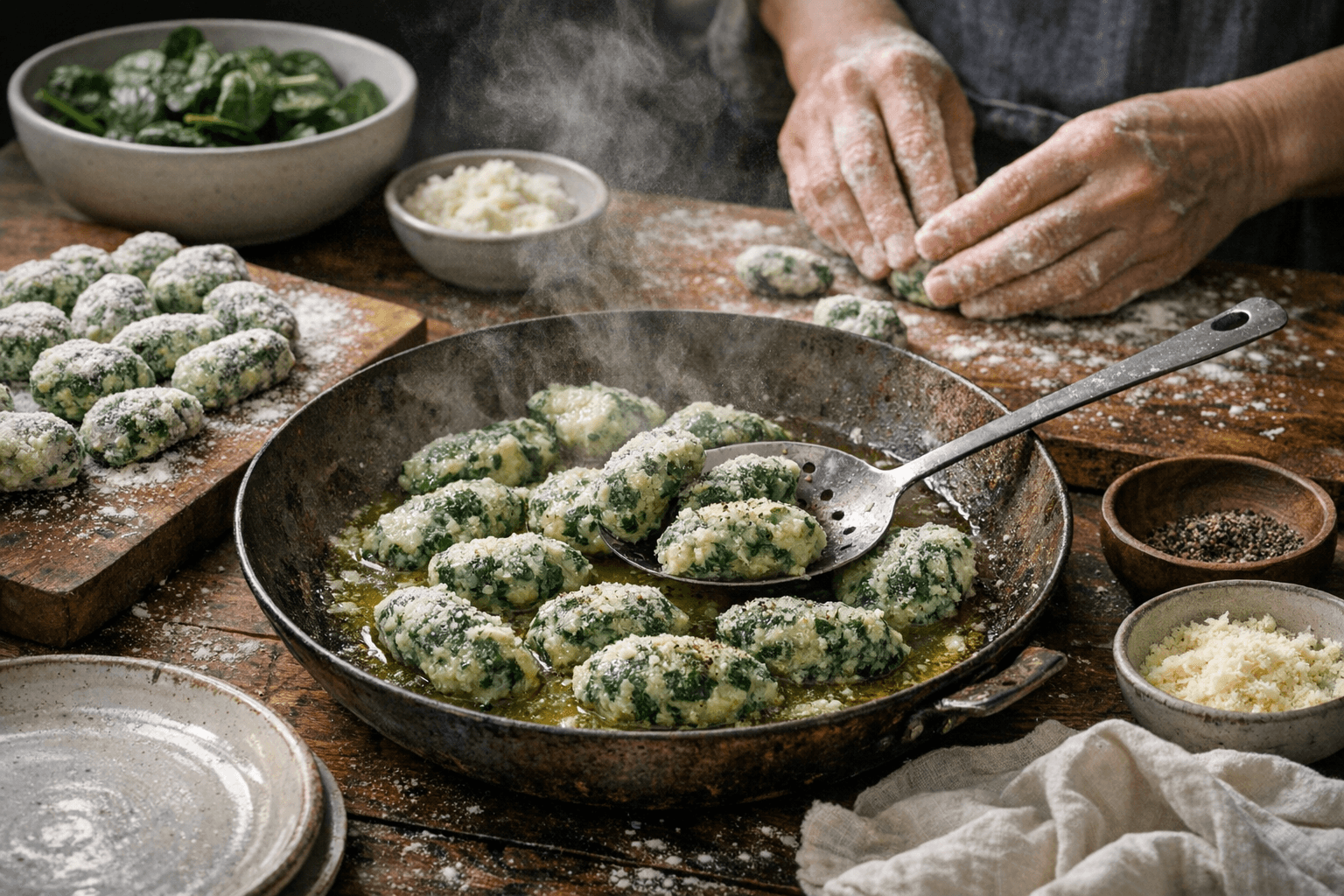
Make-ahead and storage are practical strengths. You can refrigerate shaped malfatti for up to 48 hours, which makes them handy for weekday dinners. For longer storage, freeze uncooked pieces on a tray, then transfer to a bag; cook from frozen and expect a similar floating test and slightly longer cook time.
What this means for home cooks is immediate and useful: malfatti provides a low-barrier entry to fresh pasta technique. No rolling pin, pasta machine, or perfect knife skills required; just a bowl, a spoon, and a pot of boiling water. For anyone looking to level up from store-bought pasta or explore dumplings without a steep learning curve, malfatti is an ideal first project that rewards both speed and flavor.
Know something we missed? Have a correction or additional information?
Submit a Tip