Mali investigates soldiers accused of aiding deadly base attacks
Mali is probing whether three active-duty soldiers, a retiree and a dismissed soldier helped insurgents attack bases, deepening fears of infiltration.
Mali is investigating whether soldiers helped insurgents strike army bases across the country, a charge that goes to the core of state control over its own military and the depth of militant penetration inside the armed forces.
The probe centers on five alleged accomplices: three active-duty soldiers, one retired soldier and one dismissed soldier who was killed in fighting near Kati, the main military base about 15 km outside Bamako. A prosecutor said on state television that arrests had begun and that other perpetrators, co-perpetrators and accomplices were still being sought.
The arrests follow the coordinated attacks on April 25, which an al Qaeda affiliate and Tuareg rebels claimed as their own and which Mali’s army described as one of the boldest assaults mounted against the military-led government in years. Army officials said they killed several hundred assailants as the violence spread across multiple sites in and around the capital area. Kati carried particular symbolic weight because Assimi Goita, the junta leader who has ruled since coups in 2020 and 2021, resides there.
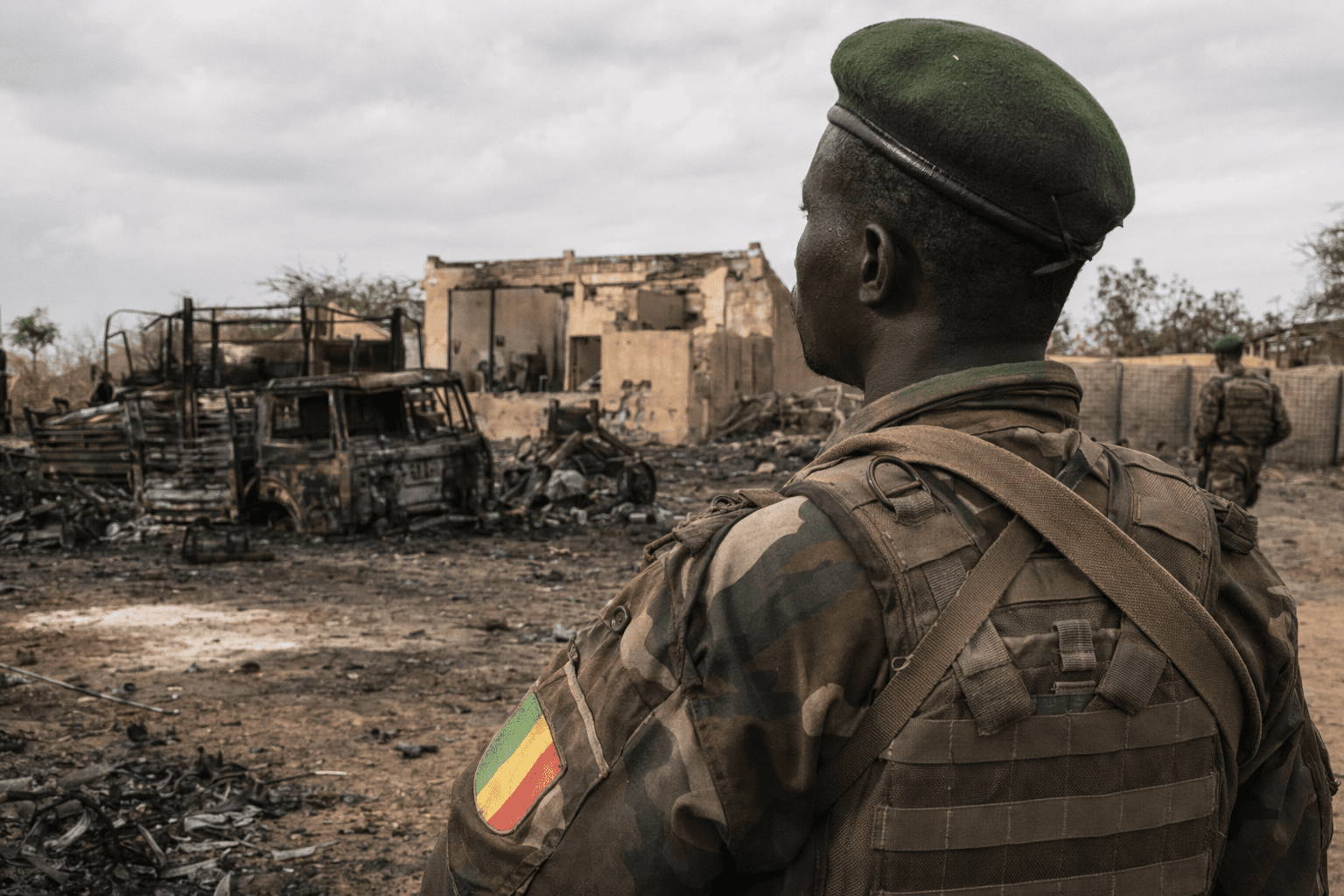
The attack also exposed how far Mali’s security crisis has spread beyond isolated desert fronts. Kidal, the strategic northern city long contested by Tuareg separatists and jihadist factions, fell during the offensive. That was a major reversal for the junta, which had retaken Kidal in late 2023 with Russian support. The Kremlin later said Russian forces would stay in Mali to help the government battle insurgents as the fighting continued.
The political stakes of the investigation are as severe as the battlefield losses. If soldiers did aid the attackers, the episode would point to an internal breach inside Mali’s security institutions, not just an external assault by militant coalitions. If the allegations do not hold, the mere need to investigate them still reflects a military under pressure, fighting to prove loyalty while facing coordinated pressure from al Qaeda-linked groups and Tuareg separatists across the north and near the capital.
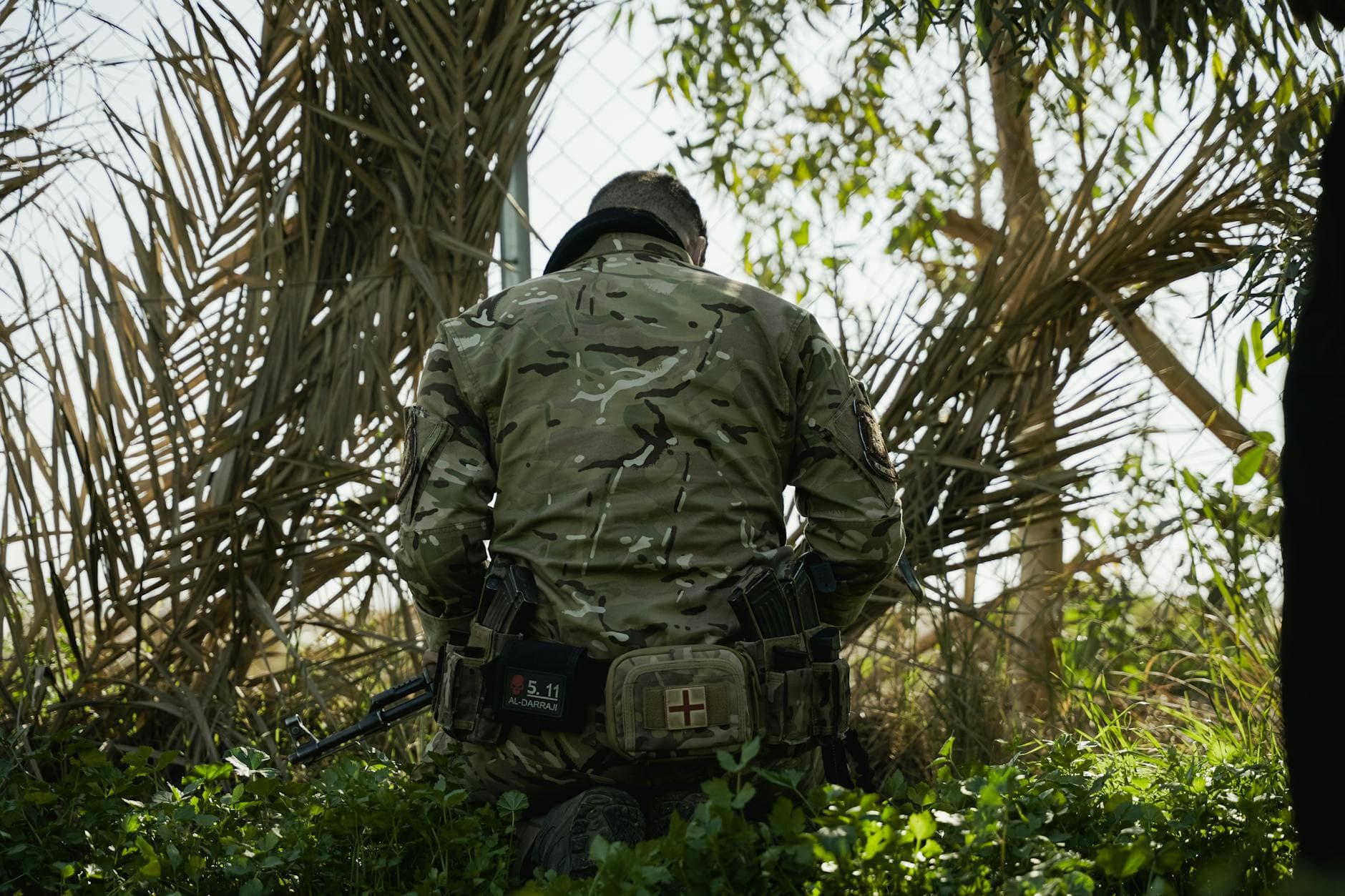
The wider Sahel context makes the fallout harder to contain. Mali, Niger and Burkina Faso have spent years battling armed groups tied to al Qaeda and the Islamic State, while all three juntas have moved away from Western security partners and toward Russia. For Mali, the question now is whether April 25 exposed an isolated betrayal or a deeper institutional breakdown that could reshape the country’s security posture well beyond Bamako.
This article was produced by Prism’s automated news system from verified source data, official records, and press releases, then run through automated quality and moderation checks before publishing. The system is built and supervised by the people who set the standards it runs under. Read our full AI policy.
Did this article answer your question?


