Oil tanker hijacked off Yemen as Somali piracy fears rise
A second tanker hijacking off Yemen in 10 days, plus fresh armed approaches near Mukalla, has revived fears of piracy along a vital shipping corridor.

Armed men hijacked the M/T EUREKA, a Togolese-flagged oil products tanker, off Yemen’s Shabwa province and steered it toward the Gulf of Aden in the direction of Somali waters, deepening alarm over a shipping corridor that carries energy supplies far beyond the region.
Yemen’s coast guard said it had identified the vessel’s location and was working to track it, recover it, and ensure the safety of the crew. The hijacking came as maritime authorities were already on alert after a separate suspicious approach reported by UKMTO on May 1 about 92 nautical miles southwest of Al Mukalla, where a skiff with a black hull and seven armed persons approached a vessel in the international recommended transit corridor.
The EUREKA incident was the second oil tanker hijacking in the area in 10 days, a pace that has sharpened fears that instability off Yemen is spilling into a wider maritime corridor linked to Somalia. No group has claimed responsibility, and the ownership, crew numbers and nationality of the crew were not immediately identified in the reports.
The developments landed against a backdrop of renewed concern over Somali piracy. Operation Atalanta and the Maritime Security Centre Indian Ocean said they were monitoring three ongoing piracy-related incidents in late April, including the hijacking of the M/T HONOUR 25 on April 21 and two other attacks on April 25 and April 26. Maritime security alerts said the pattern showed signs of a possible resurgence after years of relative calm.
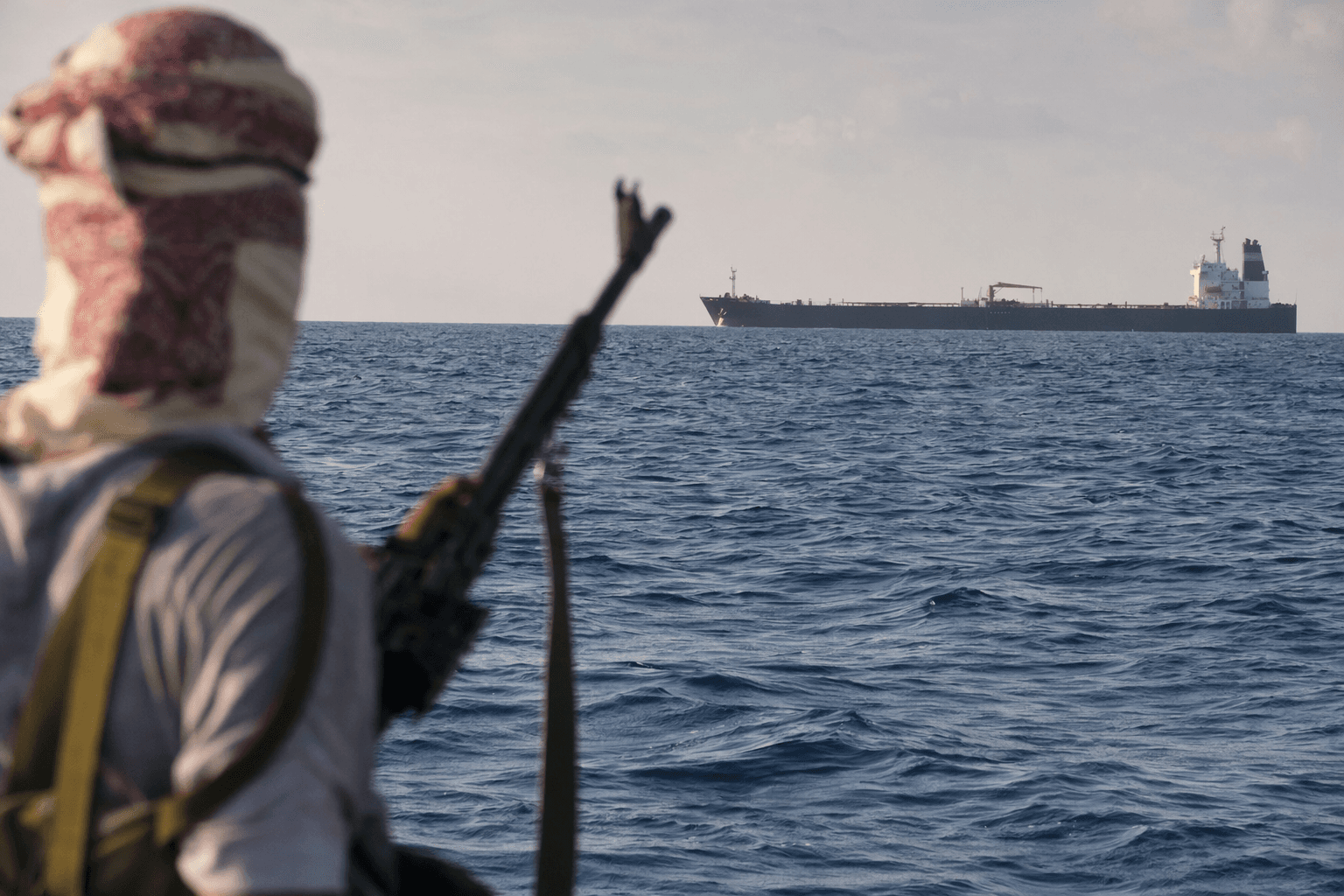
Piracy off Somalia peaked in 2011, when attacks surged across the region before being driven down by international naval patrols and tighter commercial shipping practices. That earlier decline had helped reduce risk premiums and stabilize transit through one of the world’s most important fuel routes. Now, repeated hijackings and armed approaches near Yemen and Somalia threaten to reverse that progress, with shipping companies likely to reassess routes, insurance costs and security measures for tankers moving through the Red Sea, Gulf of Aden and onward to global markets.
For energy markets, the immediate risk is not only a single seized vessel but the broader signal it sends: if armed groups can disrupt traffic in this corridor again, the cost of moving oil products can rise quickly, and those costs can travel far beyond the Arabian Sea.
This article was produced by Prism’s automated news system from verified source data, official records, and press releases, then run through automated quality and moderation checks before publishing. The system is built and supervised by the people who set the standards it runs under. Read our full AI policy.
Did this article answer your question?


