Mamdani administration moves to speed vacant affordable apartments into homes
Empty affordable apartments are lingering for months as New York scrambles to cut the paperwork and lottery delays that keep homes off the market.
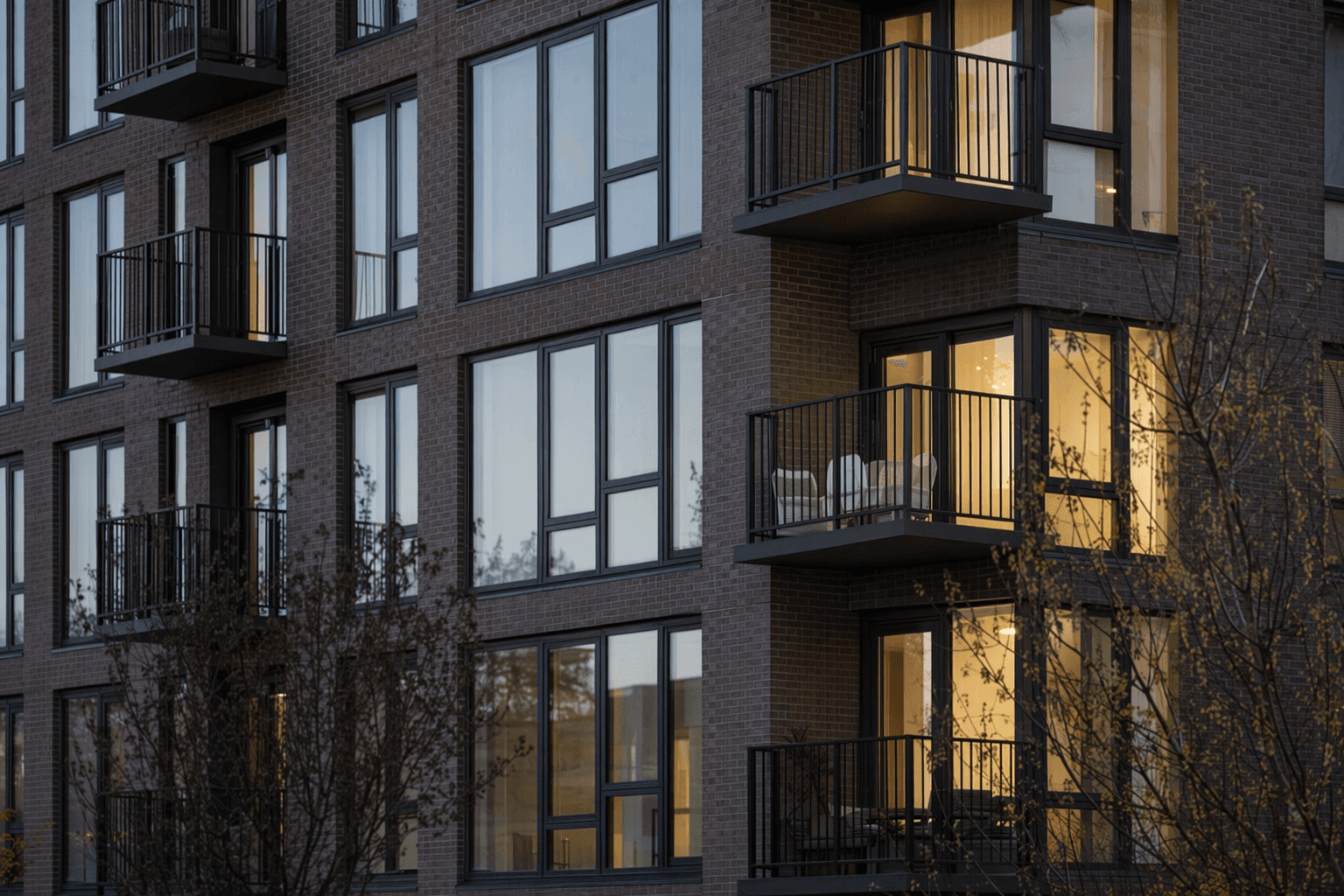
Affordable apartments were still sitting empty long after they were finished, even as New York City remained in a severe housing shortage. A recent Enterprise Community Partners analysis found a median 439-day gap between completion and move-in for more than 4,500 affordable units in the city, underscoring how red tape, eligibility checks and lottery rules have kept homes offline.
Mayor Zohran Mamdani’s administration responded by moving to speed the system up. City housing and homeless services agencies said they would create a new pipeline between housing developers and shelter providers, an effort aimed at moving homeless families into apartments faster. The Department of Housing Preservation and Development, the central agency in the affordable-housing move-in process, also began loosening rules for re-rentals by lifting lottery requirements for vacant affordable units for a 12-month period starting May 1, allowing owners to list them outside Housing Connect.
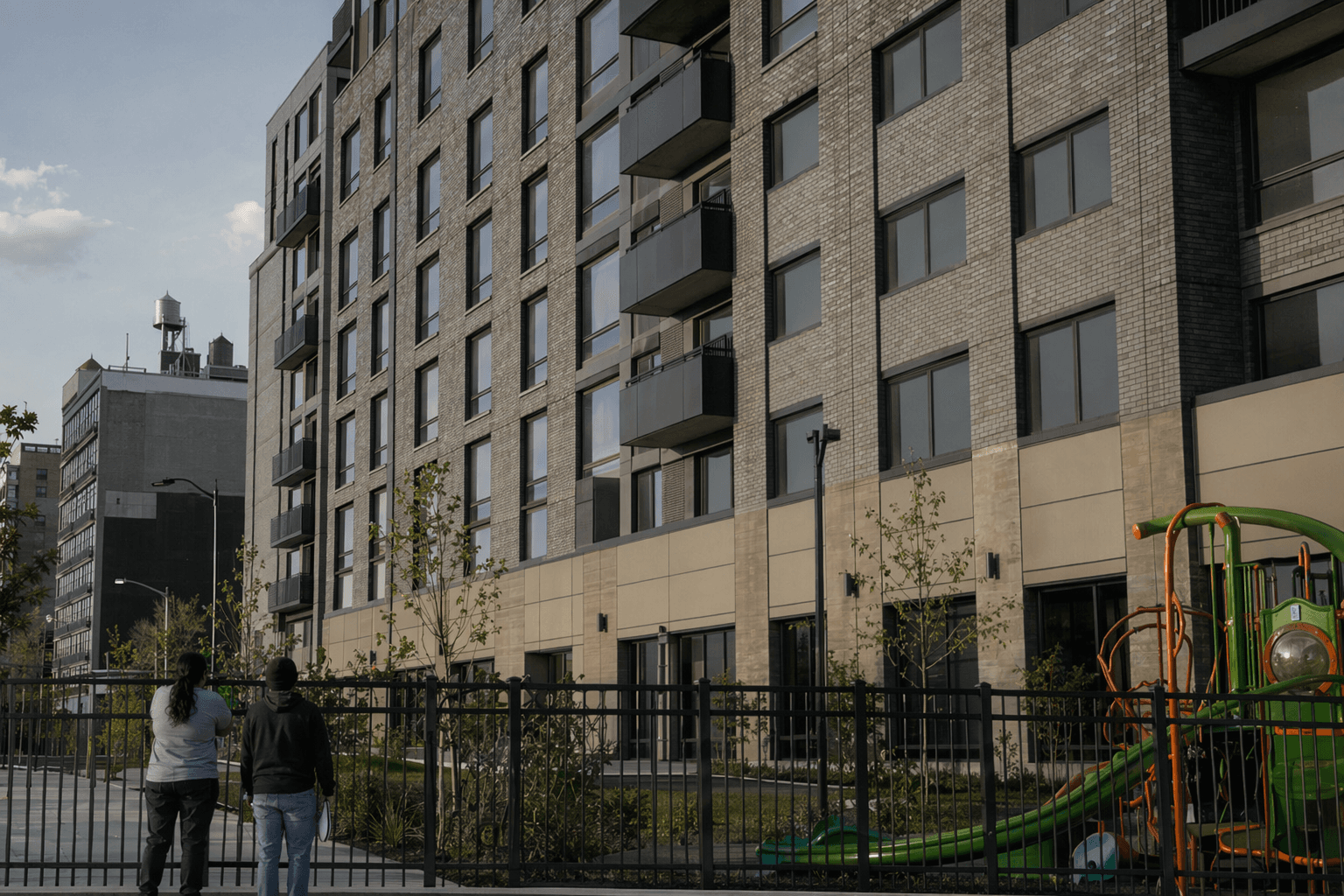
The delays have had real consequences for people waiting on both ends of the process. Earlier reporting described applicants getting trapped in long eligibility reviews and paperwork cycles, including a two-bedroom apartment on Tiebout Avenue in The Bronx that had been vacant since September 2023. That unit rented for $1,250.85 a month and was open to households earning under $101,000 a year, yet it remained unused for months while the city’s approval system dragged on.
The human toll extended beyond a single building. One report found that 88 applicants for a Bronx seniors building were no longer interested by the time the units were ready, while others had moved to nursing homes or died. Christina Harsch said the process could take so long that some applicants died before move-in, a blunt reminder that vacancy is not a paperwork issue alone but a failure that can outlast the people waiting for help.
Mamdani has made housing a centerpiece of his agenda, and on Tuesday he said in his executive budget remarks that he planned to invest $4 billion in capital funding for the housing department over five years. For the administration, the measure of success will not be the announcement itself but the results: a shorter gap than the current 439-day median, fewer apartments left idle for months, and a faster path from shelter or application to lease. In a city where finished affordable homes can remain empty for more than a year, those benchmarks would show whether the bureaucracy is finally yielding to housing need.
This article was produced by Prism’s automated news system from verified source data, official records, and press releases, then run through automated quality and moderation checks before publishing. The system is built and supervised by the people who set the standards it runs under. Read our full AI policy.
Did this article answer your question?