Second wage garnishment can deepen financial trouble, experts warn
A second garnishment may not double the hit, but it can still squeeze a paycheck fast and force workers to act before deadlines close.
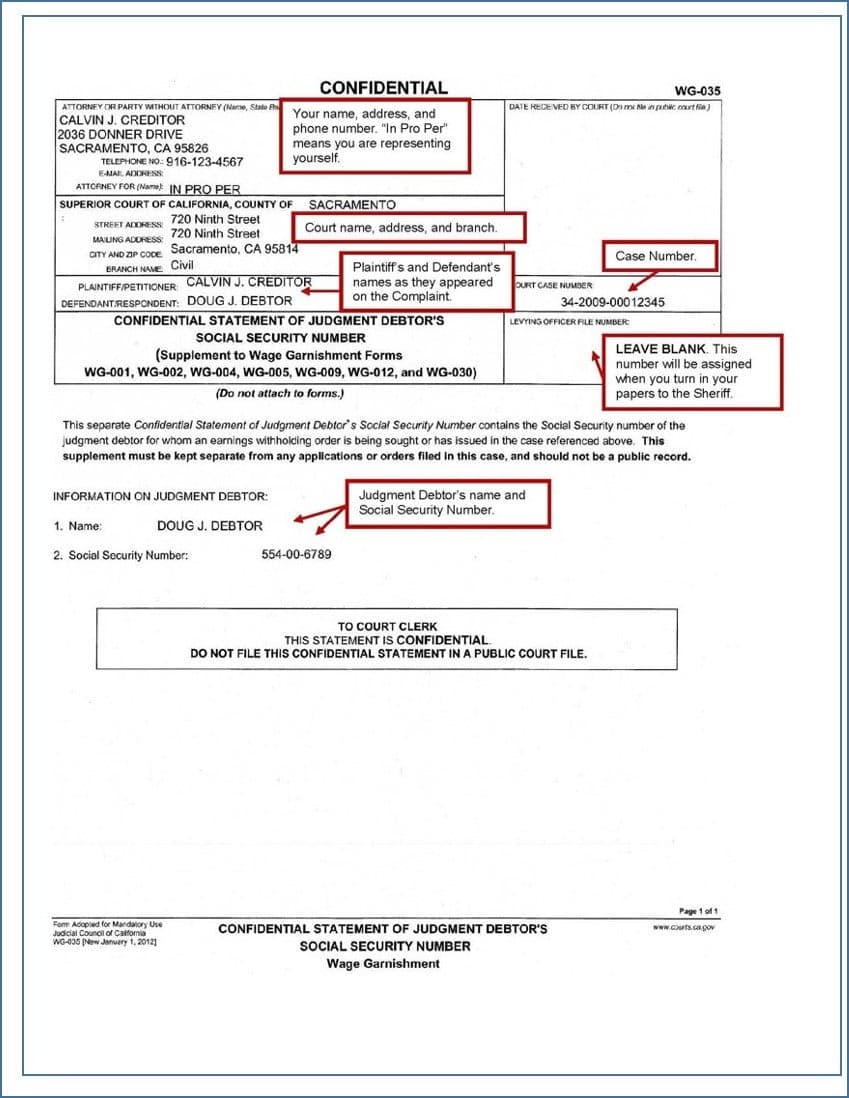
Second garnishment can deepen financial trouble, experts warn
A second wage garnishment often feels less like a new bill and more like a financial trapdoor. For ordinary consumer debt, federal law already limits how much an employer can withhold, but another order can intensify the pressure by crowding out the money left for rent, food, gas, and utilities, especially when the worker is already living on a thin margin.
How much can still be taken
For ordinary consumer debts, federal law generally caps wage garnishment at the lesser of two amounts: 25% of disposable earnings or the amount by which disposable earnings exceed 30 times the federal minimum wage, which is $7.25 an hour. Disposable earnings are what remains after legally required deductions, so the calculation starts with pay after items such as taxes and other mandatory withholdings.
That formula matters because it prevents an employer from simply stacking one garnishment on top of another until the paycheck disappears. The U.S. Department of Labor says the federal limit applies regardless of how many garnishment orders an employer receives. In practice, that means a second order usually does not create a second full bite out of the same wages when both debts are ordinary consumer obligations.
A simple sample paycheck shows how the cap works. If weekly disposable earnings are $800, 25% would equal $200. The second test is $800 minus 30 times $7.25, or $800 minus $217.50, which equals $582.50. Because federal law uses the lesser amount, the maximum ordinary garnishment would be $200 that week. If disposable earnings were only $250, the first test would allow $62.50, but the second test would allow only $32.50, so the smaller figure would control.
State law can add another layer of protection. Some states give workers more room to keep a larger share of pay or create exemptions that reduce what can be withheld. That is why two workers with the same paycheck and the same debt can still see different outcomes depending on where they live.
Why a second order can still hurt so much
Even when the federal cap keeps total withholding from ballooning, a second garnishment can make an already unstable budget collapse. The worker still has to absorb the loss of take-home pay, and if other obligations are already being paid through separate systems, the remaining check can shrink quickly. The real danger is not always a bigger percentage taken from wages; it is the compounding effect of multiple collection efforts hitting the same household at once.
Debt priority also matters. Most wage garnishments for consumer debts require a court judgment first, but child support, alimony, taxes, and federal student loans follow different rules and can often be collected without the same lawsuit-and-judgment process. Those obligations can sit ahead of ordinary consumer debt in practice, so a worker who is already facing one wage levy may find that a second claim changes the order of pressure, not just the total amount.
Federal law does protect workers from losing a job because wages were garnished for any one debt, no matter how many levies or proceedings are involved. That protection helps, but it does not replace the lost income. Once a worker is in the garnishment pipeline, the faster response usually comes from paperwork, deadlines, and legal exemptions rather than from waiting for the problem to resolve itself.
What to do in the first 48 hours
The most important move is to react before deadlines pass. The Consumer Financial Protection Bureau says that if you have been sued by a debt collector or creditor, you should read the lawsuit carefully and respond by the required deadlines. Failing to answer can lead to a judgment, and that judgment can open the door to wage garnishment.
1. Check the paperwork immediately.
Look for the name of the creditor, the amount claimed, the court, and the response deadline. Deadlines to object to a wage garnishment can be short, and filing an objection may reduce or stop the garnishment.
2. Contact HR or payroll right away.
Ask for a copy of the garnishment order and the date withholding will begin. HR can tell you whether the order is for ordinary consumer debt or a category with different rules, such as child support or taxes.
3. Speak with the creditor or its attorney.
Some creditors will discuss repayment arrangements, settlements, or delays if you respond quickly. That does not erase a court order by itself, but it may create room to stabilize the account or avoid additional enforcement.
4. Seek legal aid or consumer debt help fast.
A legal-aid office can often review whether the debt was properly served, whether the amount is correct, and whether you can claim an exemption. If state law offers stronger protection than federal law, that is often where the defense is built.
Special protections for benefits and bank accounts
Federal benefits like Social Security and VA payments have separate protections, which can shield them from ordinary collection efforts. But once those funds are deposited into a bank account, a debt collector may still seek a court order to garnish the account or levy it under certain circumstances if the money is not properly protected.
That is why bank balances can become a second point of vulnerability even when the wage garnishment itself is capped. Workers who rely on protected benefits should keep careful records showing where the money came from and, when possible, separate those deposits from other income. The distinction can matter if a collector tries to reach funds after they leave the payroll system.
The bottom line for workers under strain
A second garnishment does not automatically mean a second full slice of pay, but it can still deepen financial damage by tightening cash flow and forcing a worker to juggle multiple legal deadlines at once. For ordinary consumer debt, the federal cap is built to limit the hit, yet the combination of judgment-based collection, state-law rules, and separate priority debts can still leave a household with far less money than expected.
The safest response is to move quickly: read every notice, calculate disposable earnings, ask HR how the order will be applied, and seek legal help before the window to object closes. In a system built around deadlines and exemptions, the workers most at risk are often the ones who wait too long to answer.
This article was produced by Prism’s automated news system from verified source data, official records, and press releases, then run through automated quality and moderation checks before publishing. The system is built and supervised by the people who set the standards it runs under. Read our full AI policy.
Did this article answer your question?