Mamdani Asserts Final Authority Over Policing Despite Deference to Tisch
Mayor Zohran Mamdani claimed final authority over NYPD policing even as Commissioner Jessica Tisch has repeatedly acted independently on key decisions in his first 100 days.
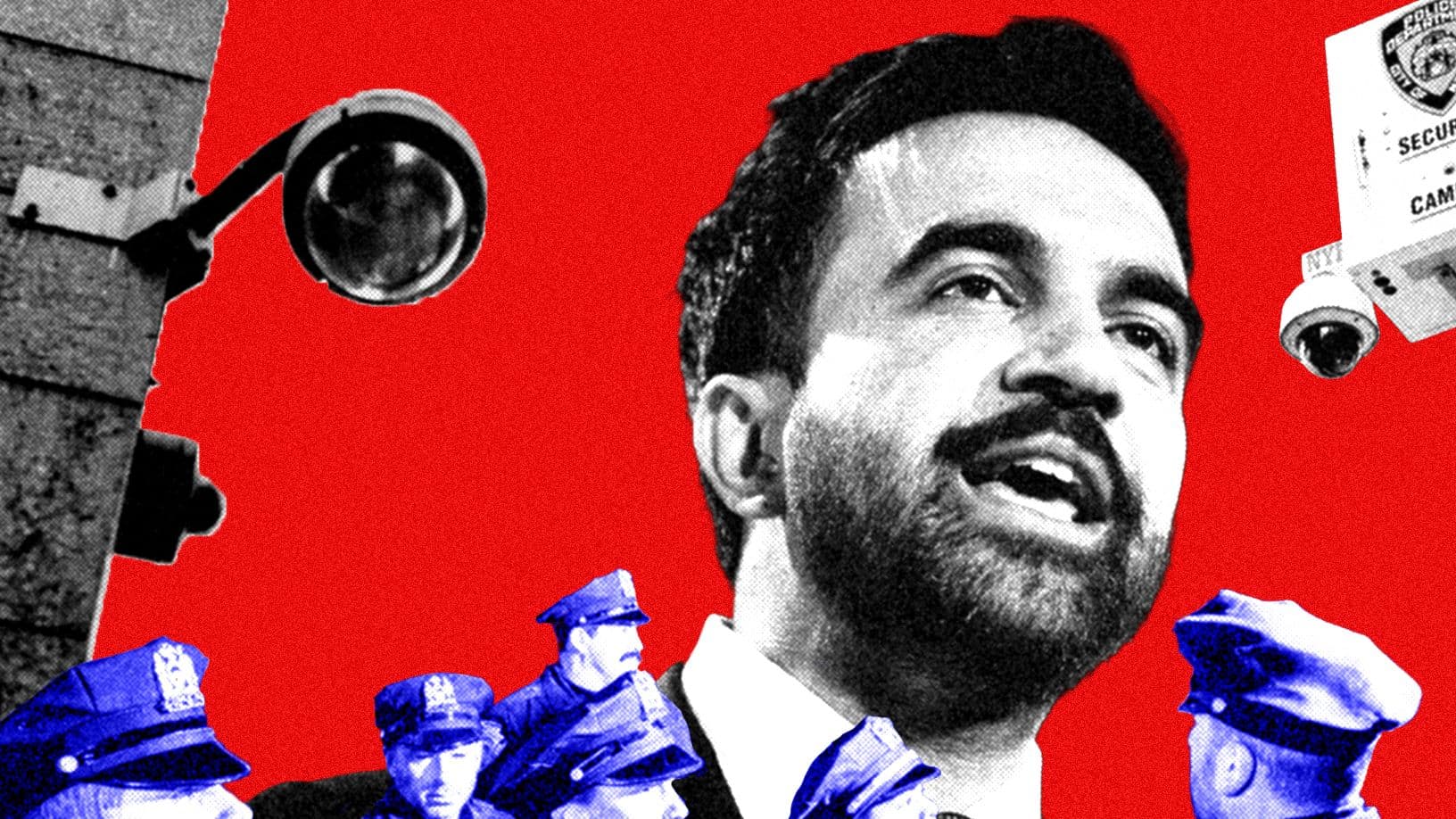
Nearly 100 days into his tenure as New York City mayor, Zohran Mamdani pushed back against the prevailing narrative about who actually runs the NYPD, insisting Thursday that he holds final authority over policing decisions despite a pattern of visible deference to Police Commissioner Jessica Tisch.
The assertion came at a moment when the gap between Mamdani and Tisch had become impossible to ignore. At an April 2 crime briefing at One Police Plaza, Tisch flatly stated that the NYPD's revised hate-crime reporting methodology was her decision, not the mayor's, after the change attracted public scrutiny. The clarification was striking: a commissioner publicly distancing her boss from a contentious departmental policy while standing beside him.
That episode was not an isolated one. Mamdani stayed silent as Tisch defended the department's Criminal Group Database, a gang-tracking tool he once pledged to abolish. When Washington Square Park became the site of a snowball confrontation with officers in February, Tisch called the behavior "disgraceful" and "criminal" while Mamdani characterized it as a snowball fight that did not warrant criminal charges. And after a failed ISIS-inspired bombing near Gracie Mansion in March, Mamdani said he still planned to disband the department's Strategic Response Group, the counterterrorism and protest-control unit Tisch has implicitly defended by keeping it operational.
The confusion over who controls what traces back to Mamdani's first day in office, when he signed an executive order restructuring the mayor's office that listed the NYPD among agencies to be supervised and coordinated by his first deputy mayor. Reports immediately suggested Tisch had been demoted. Mamdani subsequently clarified that Tisch reports directly to him, not through his deputy, a distinction that did little to settle questions about the dynamic between City Hall and One Police Plaza.
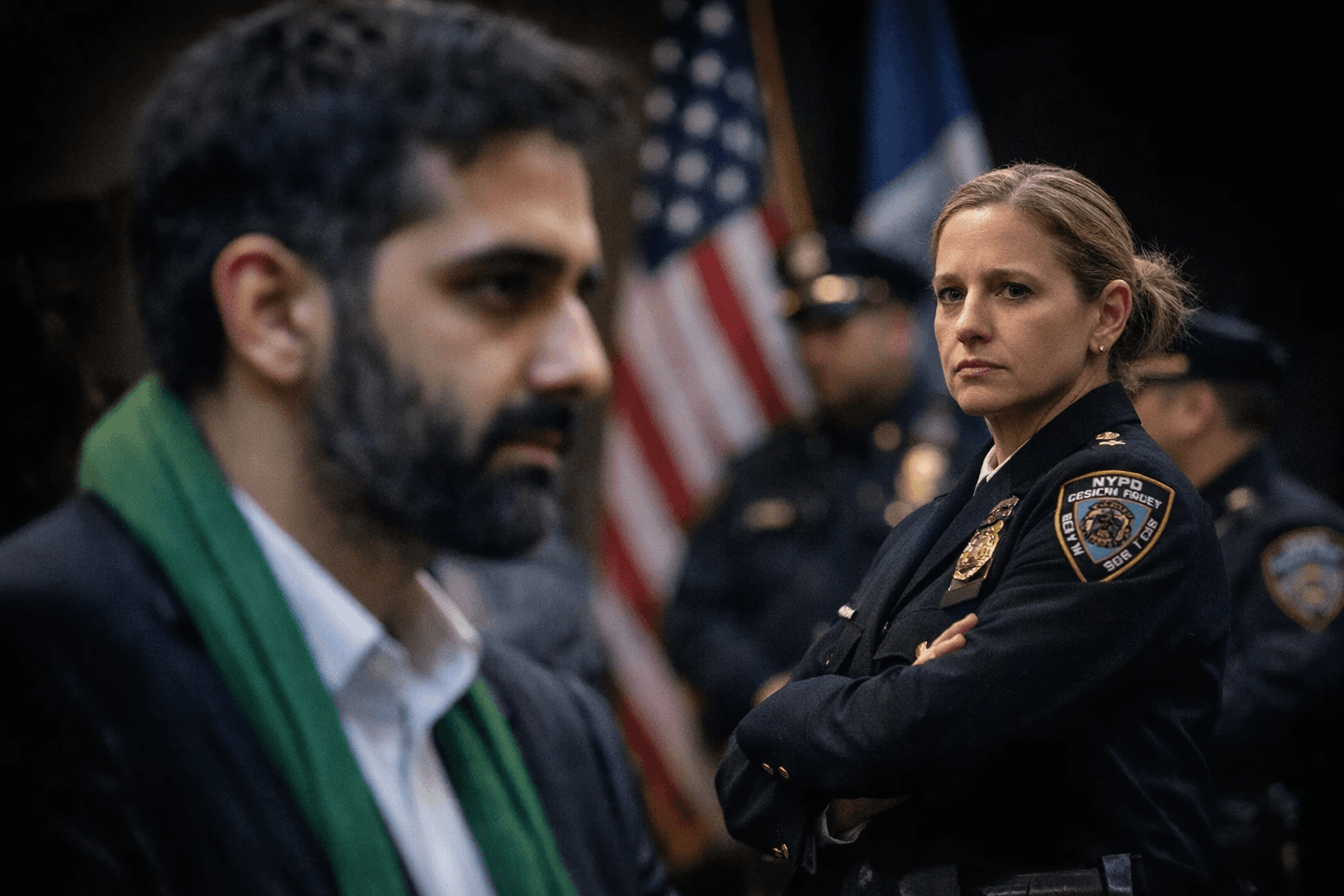
Mamdani's decision to retain Tisch, a holdover from the Eric Adams administration appointed before he took office, was itself a concession to the political center. On the campaign trail, he had called for transferring final disciplinary authority from the commissioner to the Civilian Complaint Review Board and had campaigned on disbanding the Strategic Response Group. Neither change has been fully implemented. He has since described his talks with the NYPD on the gang database as "active" rather than conclusive.
The gap between campaign promise and administrative reality has frustrated police reform advocates, though prominent allies have argued patience is warranted. Meanwhile, Tisch has continued accumulating policy credibility of her own: in March she and Mamdani jointly announced the codification of the NYPD's body-worn camera policy, requiring footage release within 30 days of a critical incident, a transparency measure both framed as a shared priority.
Whether Mamdani's insistence on final authority translates into more assertive direction of the department remains the central question of his public safety agenda. With his Office of Community Safety, led by Deputy Mayor Renita Francois and funded at $260 million rather than the $1.1 billion he proposed during the campaign, the structural scaffolding for a different approach to policing exists. How forcefully he uses it will define whether his mayoralty shifts NYPD policy or simply reframes it.
This article was produced by Prism’s automated news system from verified source data, official records, and press releases, then run through automated quality and moderation checks before publishing. The system is built and supervised by the people who set the standards it runs under. Read our full AI policy.
Did this article answer your question?

