Mamdani ties Iran war to New York cost-of-living crisis in Meet the Press preview
Mamdani is using the Iran war to argue that New Yorkers are paying more at the pump, on transit, and at home. The test is whether voters hear practical economics or politics.
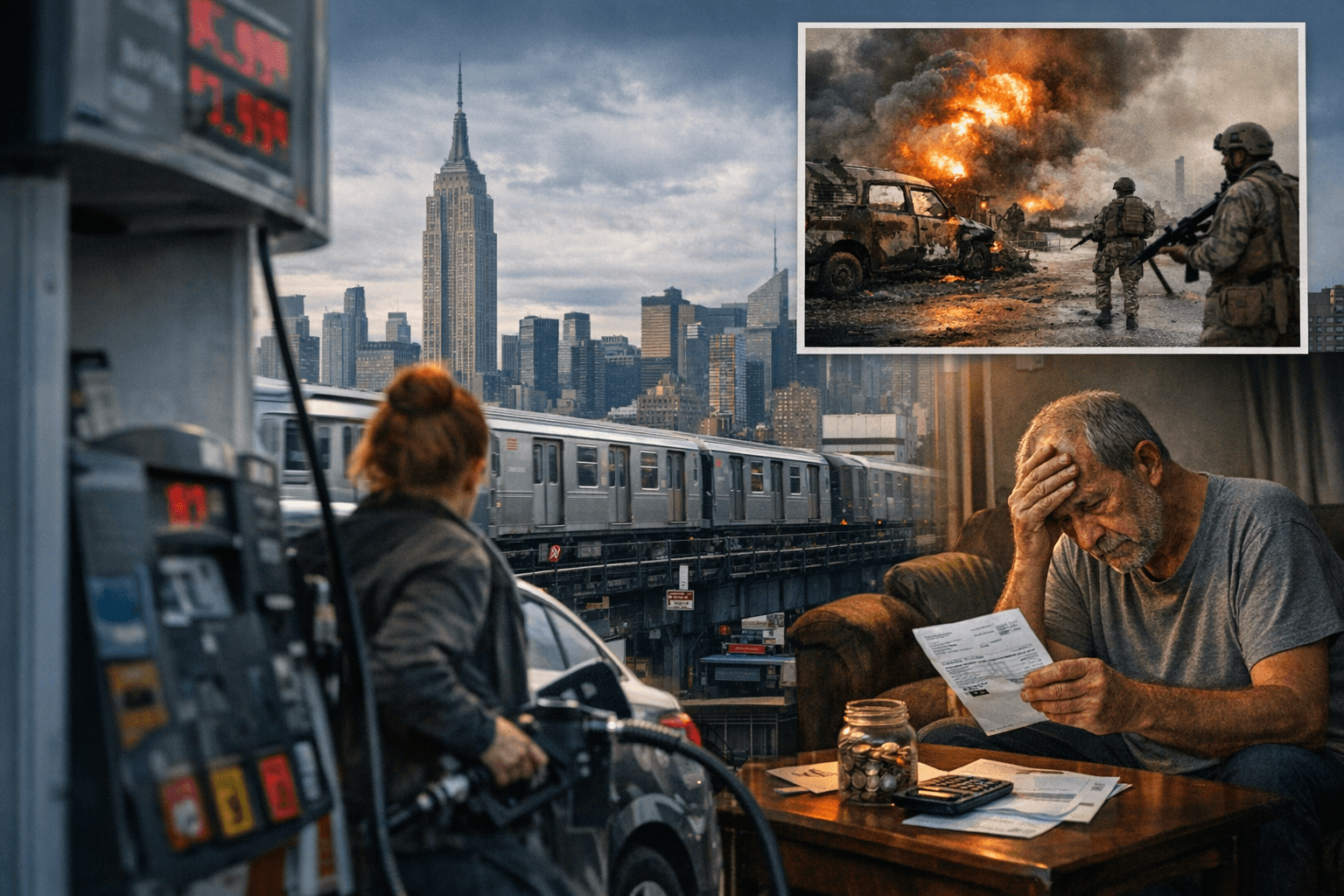
Zohran Mamdani is trying to turn a distant war into a New York pocketbook argument, casting the Iran conflict as another force pushing up the everyday costs that define city life. In a preview of his interview with Kristen Welker on Meet the Press, the New York City mayor said the war has driven up energy prices and sharpened the affordability crisis he has made central to his early tenure.
NBC’s tease quoted Mamdani saying, “we have money for war and not to feed the poor.” The line, lifted from Tupac Shakur, fits the message he has pushed since taking office: that government should be judged by whether it can lower rent pressure, improve transit, expand child care, and make basic services work for people who are already stretched thin.
Mamdani was sworn in on January 1, 2026, as New York City’s 112th mayor, and he has spent roughly his first 100 days leaning hard into that affordability agenda. City Hall says his administration secured $1.2 billion for universal child care, won $34 million on behalf of tenants, and fixed 100,000 potholes. It has also rolled out a first-100-days progress website to promote the work. The early record is meant to show that a mayor who talks about structural inequality is also delivering on day-to-day municipal obligations.
The timing gives his message a sharper edge. AP reported that U.S. wholesale prices rose 0.9% in March as the Iran war pushed up energy costs, while the Consumer Price Index increased 3.3% from a year earlier. NBC News also reported that gasoline prices in the United States have climbed more than 30% since the U.S. and Israel launched the war. For New Yorkers, where fuel prices flow into transit budgets, delivery costs, and household bills, that makes the link between foreign conflict and local affordability harder to dismiss.
Mamdani has made rent relief, free or fast buses, and expanded child care the pillars of his political identity. His challenge is whether voters see his argument as a practical reading of the economy or as a convenient way to fold an overseas crisis into city politics. With energy costs rising and working families already under strain, the answer will shape whether his first months in office are remembered as a serious affordability push or a message searching for a crisis.
This article was produced by Prism’s automated news system from verified source data, official records, and press releases, then run through automated quality and moderation checks before publishing. The system is built and supervised by the people who set the standards it runs under. Read our full AI policy.
Did this article answer your question?

