Trump Says He Trusts Iran, Deal Could Be Reached Soon
Trump said he trusts Iran and expects a deal “very soon,” but the Strait of Hormuz blockade and unresolved uranium issues still loom over the talks.
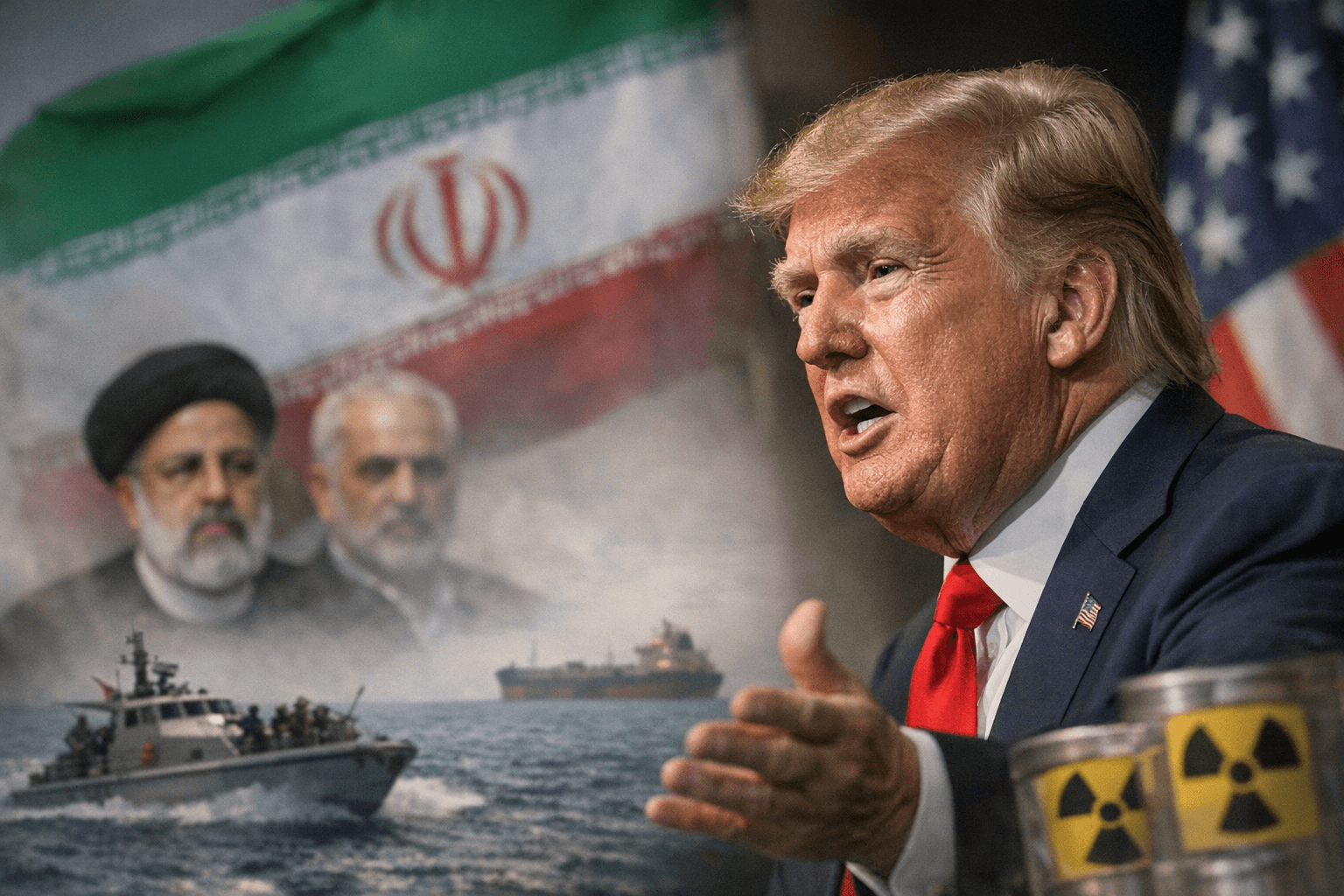
Donald Trump said he could trust the Iranians if they honor their commitments, a strikingly confident message after days of mixed signals from Washington and Tehran. He told ABC News the dispute would be resolved “very soon” and insisted it would end in a “very peaceful manner,” even as the U.S. blockade on ships traveling to and from Iran remained in place.
The president also rejected reports that the administration was preparing a $20 billion payment to Tehran, calling that “fake news,” and said no money would be paid in any exchange. He added that the blockade would not come down until an agreement was finalized, a sign that the White House is still treating maritime pressure as one of its few visible sources of leverage.
Trump said the negotiations would take place in “Islamabad only” and identified Steve Witkoff and Jared Kushner as members of the negotiating team, with J.D. Vance possibly joining. That casts the talks as a tightly managed political project, not an open-ended diplomatic process. It also raises the stakes for the administration, which has been trying to convert battlefield pressure and sanctions into a concrete settlement without giving up too much in return.
The underlying risk is that the president’s confidence outpaces the substance of the deal. Reuters reported on April 12 that marathon talks in Pakistan ended without an agreement, and Reuters reported again on April 16 that Trump said the United States was “very close” to a deal and that Iran had agreed to “almost everything.” But Iranian and U.S. officials have not publicly confirmed all of Trump’s claims, and unresolved issues remain, including Iran’s enriched uranium stockpile and broader concessions tied to sanctions relief and the ceasefire.
The economic consequences are immediate. The Strait of Hormuz carries about one-fifth of the world’s oil, making any blockade or breakdown in diplomacy a direct threat to global energy flows. Trump’s tone has shifted sharply over the course of the conflict, from threatening Iran with “annihilation” earlier in April to later praising a “workable” plan and saying the war could end very soon. That shift may help create momentum, but it also leaves open a hard question for markets and negotiators alike: whether Trump is squeezing Tehran into a deal, or simply betting that confidence alone can finish one.
Know something we missed? Have a correction or additional information?
Submit a Tip