Mamdani’s rent-freeze pledge clashes with East Harlem build and Pinnacle sale
Mamdani’s call to "freeze the rent" collides with new projects like Timbal Terrace and a contested Pinnacle sale, raising questions about financing, oversight, and housing targets.
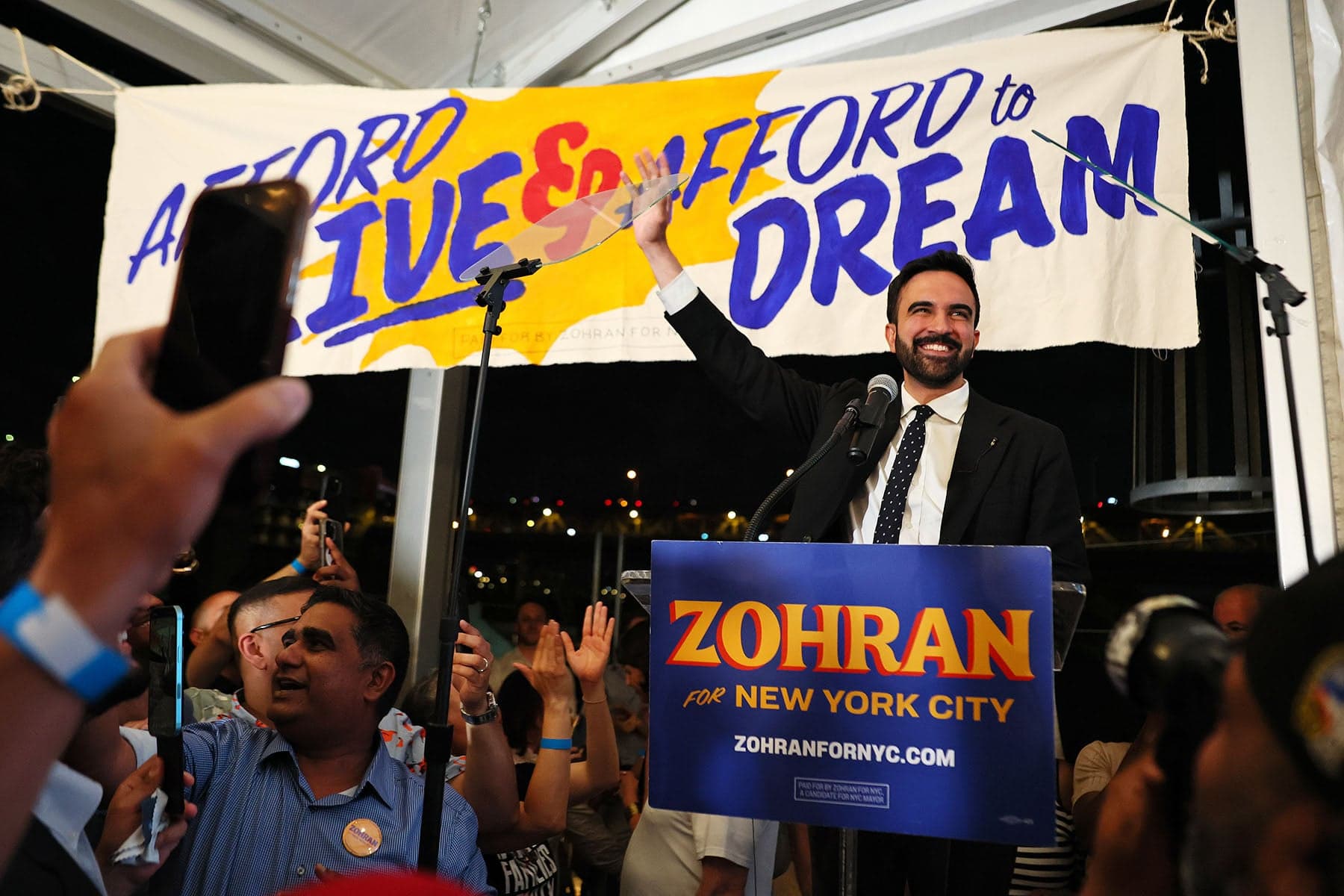
Mayor Zohran Mamdani’s simultaneous push to “freeze the rent” and to accelerate affordable housing is producing immediate trade-offs as new projects break ground and a major landlord portfolio changes hands. The tension is playing out in East Harlem at Timbal Terrace, in the Bronx at 351 Powers Avenue, and across the rental market after a federal judge approved the $451 million sale of the Pinnacle portfolio to Summit Properties Ltd., a transaction the mayor and New York State Attorney General Letitia James unsuccessfully sought to delay, Epicenter‑NYC reports.
The scale of the political problem is stark: 69 percent of New Yorkers do not own their homes, a fact the Original Report highlights to explain political appetite for dramatic interventions. Yet policy mechanics remain contested. Sources present two different build targets attributed to the mayor’s agenda: a YouTube live report cites a goal of “at least 25,000 affordable homes here in the city over the next 10 years,” while CNN and The Philadelphia Citizen report a target of 200,000 publicly subsidized, rent‑stabilized, permanently affordable homes over the next decade. Both figures appear in public reporting; there is no reconciled official figure in the record reviewed here.
Timbal Terrace, whose groundbreaking Kimberly Richardson covered from East Harlem, is the immediate illustration of delivery and controversy. Construction is “now underway on Timbal Terrace, a 20‑story building here in East Harlem,” Richardson said on the live clip. The project sits on a 23,000 square foot lot at Park Avenue and East 119th Street that was formerly used as a precinct parking lot and won City Council approval in 2024. It will include 340 apartments described as affordable for households earning between $30,000 and $130,000 a year, and the ground level “will feature a state‑of‑the‑art center home to the Afrolatin Jazz Alliance,” the report said. Nearly 100 units are designated supportive housing; “Each person will be supported by a rental subsidy and by an on‑site services team dedicated to helping them stay housed,” the live report stated.
Neighbors voiced mixed reactions on camera, with one resident saying, “After it gets dark, you don't go out,” while another, identified only as Hector, raised safety fears near a public school. Other neighbors told the reporter the project “may be a bit of a struggle but it is the right thing to do.”
City administration officials are pointing to public‑land projects and faster approvals. New York City statements describe 351 Powers Avenue in the Bronx as a planned conversion of a parking lot into “more than 80 affordable homes, including approximately 30 apartments for currently homeless New Yorkers,” and Housing Preservation & Development Commissioner Dina Levy said the project is “about using public land more responsibly and cutting through unnecessary delays so we can build more affordable housing faster.” Bronx Borough President Vanessa L. Gibson praised the partnership and called the project an “important opportunity.”
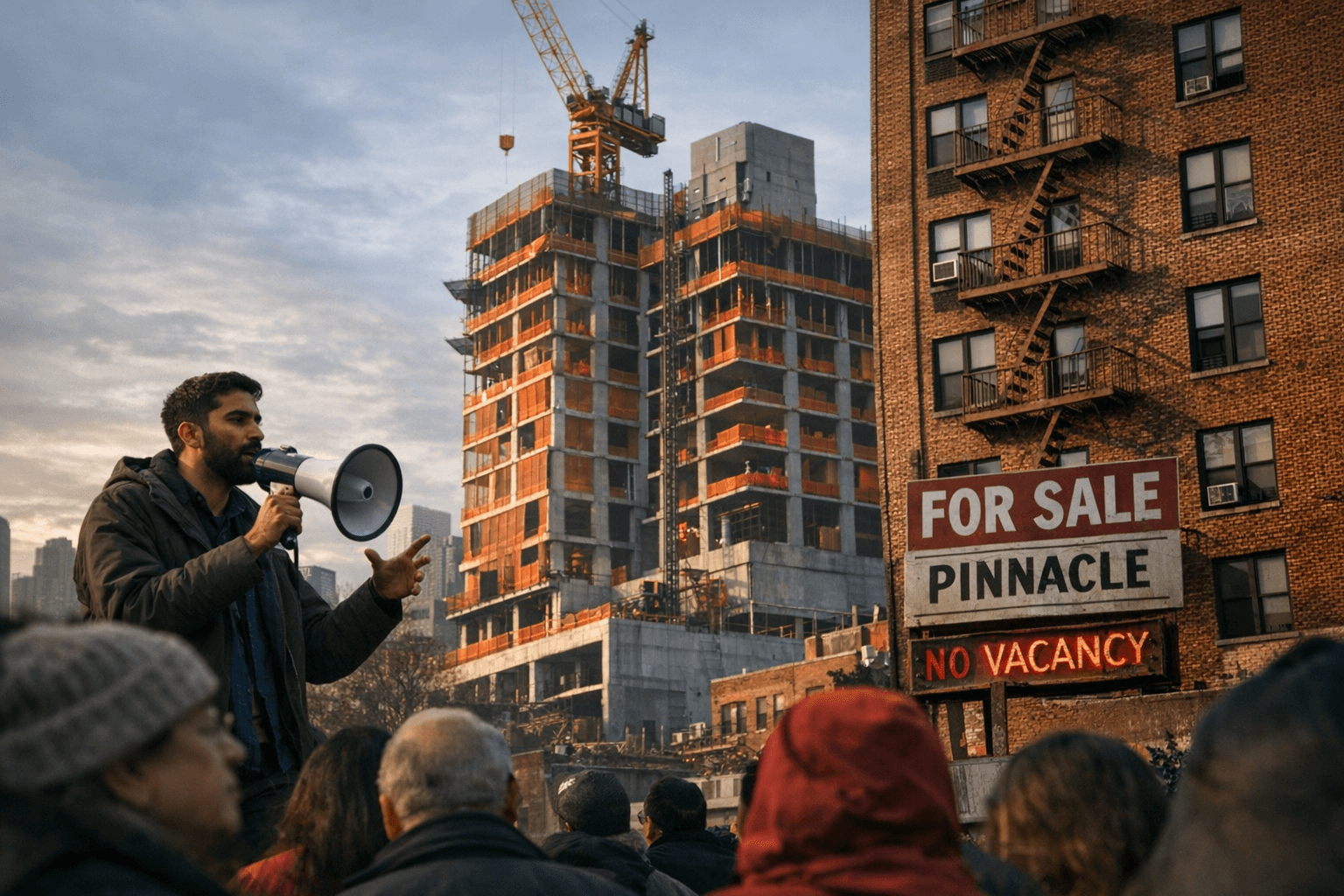
At the same time, market and legal developments complicate delivery. Epicenter‑NYC notes the Pinnacle sale includes more than 5,000 rent‑stabilized units and warns the city should “watch Summit with a stick in one hand, ready to bring legal action if the company fails to address the myriad issues in the Pinnacle properties it’s acquiring,” while also considering targeted incentives.
Experts warn ambitious supply promises may clash with rent‑control measures. David Reiss of Cornell says, “A rent freeze will change how a conversion might pay off for the developer,” and Felipe De La Hoz argues a multiyear freeze “would probably drive some of them underwater,” squeezing smaller landlords and risking deteriorating upkeep. Howard Slatkin of the Citizens Housing & Planning Council puts it bluntly: “The rubber is going to meet the road.” CNN’s context underscores the strain: only 1.4 percent of rentals are available and many New Yorkers spend more than half of a $70,000 income on rent.
Mamdani’s dual strategy, demanding immediate tenant relief while pressing for rapid construction and public‑land reuse, raises a central governance question: can the administration secure the subsidies, private partners, and regulatory certainty required to scale projects like Timbal Terrace while preserving investor appetite and landlord viability? The record of public statements, project details, and recent court rulings makes that a live policy test.
This article was produced by Prism’s automated news system from verified source data, official records, and press releases, then run through automated quality and moderation checks before publishing. The system is built and supervised by the people who set the standards it runs under. Read our full AI policy.
Did this article answer your question?

