Man steals saint’s skull from Czech basilica, plans to dump it in river
A 35-year-old man ripped a saint’s skull from a Czech basilica, then hid it in concrete and planned to dump it in a river.
A 35-year-old man is accused of stealing a skull believed to belong to Saint Zdislava of Lemberk from one of the Czech Republic’s most important pilgrimage sites, then hiding the relic in concrete and planning to throw it into a river. Police said the act was not a burglary for money but a deliberate attack on a sacred object tied to centuries of Catholic devotion.
The theft happened on May 12, 2026, just before evening Mass at the Basilica of St. Lawrence and St. Zdislava in Jablonné v Podještědí, in the northern Czech Republic. Police said the man slipped into the church, smashed the glass reliquary, and escaped with the skull in a matter of seconds. The section’s alarm was off because Mass was about to begin, leaving the relic exposed at the very moment worshippers were gathering.
Investigators detained the suspect on Thursday, May 14, 2026. Police said he admitted taking the skull and objected to it being publicly displayed. He also told investigators he planned to bury it privately after first discarding it in a river. Authorities said he acted alone and had planned the theft in advance. The man now faces up to eight years in prison if convicted of theft.
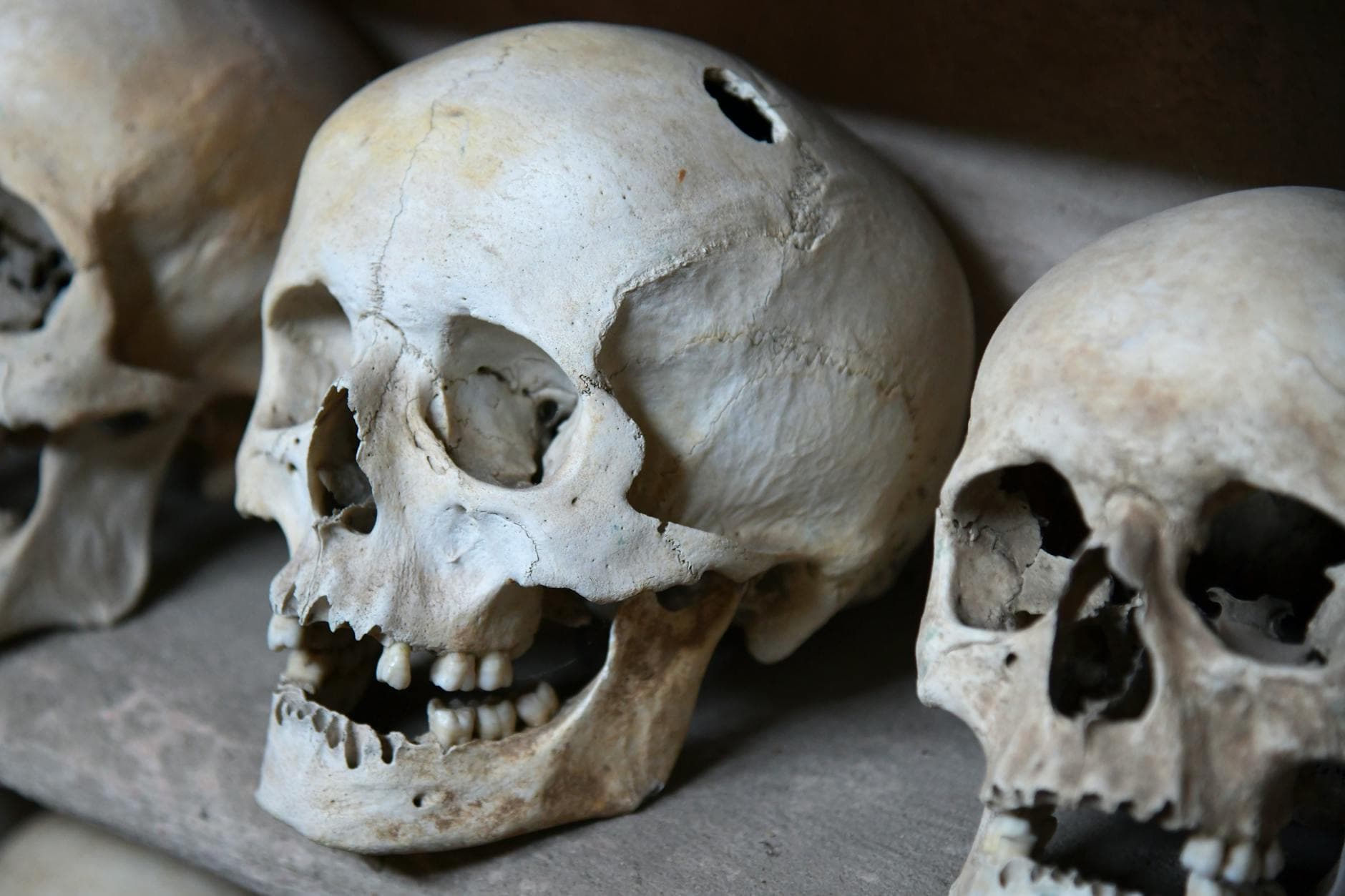
Police recovered the relic on May 15, 2026, after finding it encased in concrete. Experts and restorers were then working to carefully extract it and determine what condition it was in after the theft and concealment. The case has drawn intense attention because the basilica is not only a church but a major shrine in the Liberec region, where Saint Zdislava has been venerated for generations.
Saint Zdislava of Lemberk lived from 1220 to 1252 and was canonized by Pope John Paul II in 1995. For Czech Catholics, the skull represented far more than an antique object. It was a physical link to a medieval figure remembered for holiness and endurance, and its removal briefly pushed a piece of national religious heritage to the edge of destruction before authorities recovered it.
This article was produced by Prism’s automated news system from verified source data, official records, and press releases, then run through automated quality and moderation checks before publishing. The system is built and supervised by the people who set the standards it runs under. Read our full AI policy.
Did this article answer your question?