Manila museum revisits painful legacy of Pacific galleon trade
A 30-meter galleon in Pasay recasts the Manila-Acapulco trade as a story of coerced labor, extraction and colonial memory.
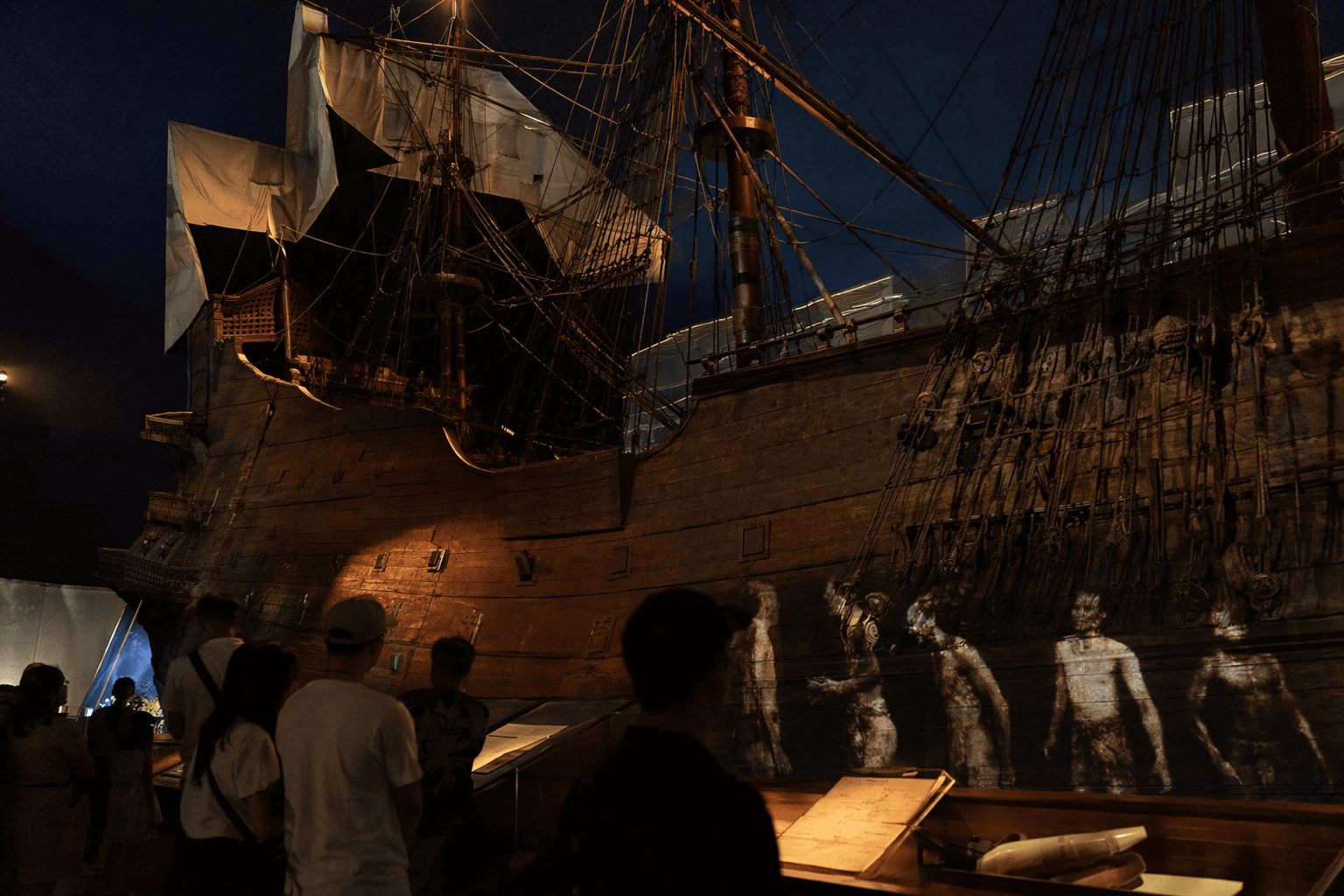
A full-scale Spanish galleon rising inside Pasay’s SM Mall of Asia Complex is turning one of the Philippines’ most profitable colonial systems into a harder, darker account of violence and labor. Museo del Galeon, which opened to the public on May 1 after a formal inauguration by First Lady Liza Araneta Marcos on April 24, places the country’s Pacific galleon trade under a lens that centers the Filipinos who built, crewed and endured it.
The museum says it is the first experiential maritime museum in the Philippines, and its centerpiece is the Galeón Espíritu Santo, a replica that stands about 30 meters high and 40 meters long. The four-level, dome-shaped complex covers about 9,000 square meters, with immersive decks, cannons and food displays designed to pull visitors into the age when Manila was tied to Acapulco by a transpacific route that shaped early globalization. Museum material traces the ship to Cavite in 1603 and says it sailed the Manila-Acapulco route until 1618.
That story reaches far beyond one ship. Historical references place the Manila galleon trade between 1565 and 1815, after Andrés de Urdaneta found the tornaviaje, the return route from the Philippines to Mexico. Over those centuries, the museum says, 181 vessels made 798 voyages between Manila and Acapulco, moving silver, luxury goods, people and ideas across the Pacific while extracting labor from colonial subjects on both sides of the ocean.
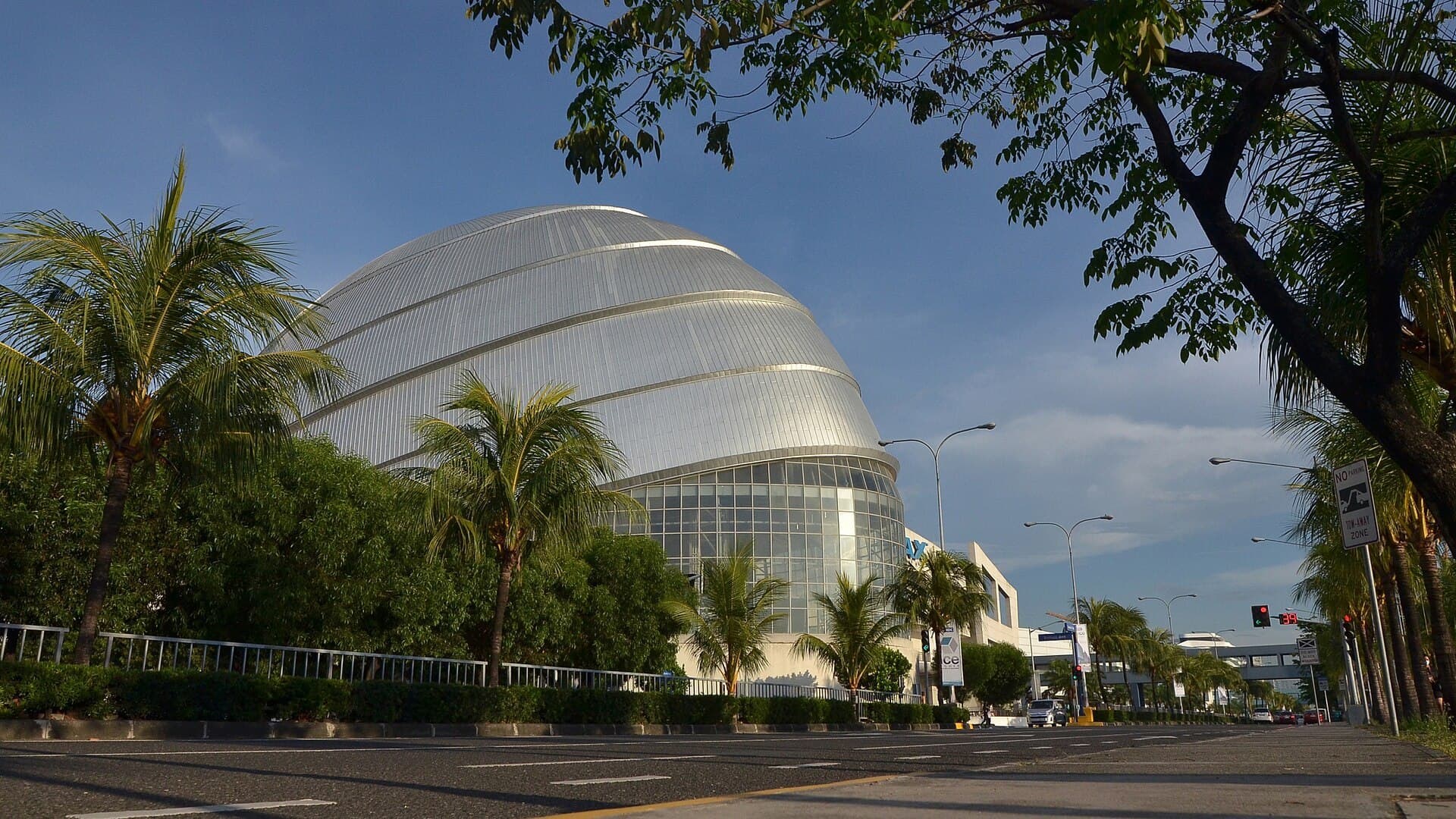
What makes the museum notable is not simply its scale, but its argument. The galleon trade has long been remembered as a heroic era of maritime exchange, yet Museo del Galeon frames it from the Filipino perspective, emphasizing conscripted mariners who worked under harsh and often degrading conditions. The exhibit begins even earlier, with pre-colonial balangay seafaring, and moves forward into the present day, linking colonial-era maritime labor to a country that remains one of the world’s biggest suppliers of sailors.
That continuity gives the project a contemporary edge. Manuel Quezon has said the legacy is still personal and relevant because Filipinos continue to dominate the global seafaring workforce, making the museum as much about labor migration and national identity as about history. The project was first advocated by the late Senator Edgardo Angara and broke ground in 2016, a long arc that now places the Philippines within a broader global reckoning as museums revisit empire-era narratives and ask who gets to tell national history.
This article was produced by Prism’s automated news system from verified source data, official records, and press releases, then run through automated quality and moderation checks before publishing. The system is built and supervised by the people who set the standards it runs under. Read our full AI policy.
Did this article answer your question?