Marcos hails Philippines' upper-middle-income upgrade as milestone
Marcos called the upper-middle-income upgrade a milestone, but the bigger test is whether it can lift wages, ease prices and reach households still feeling the squeeze.
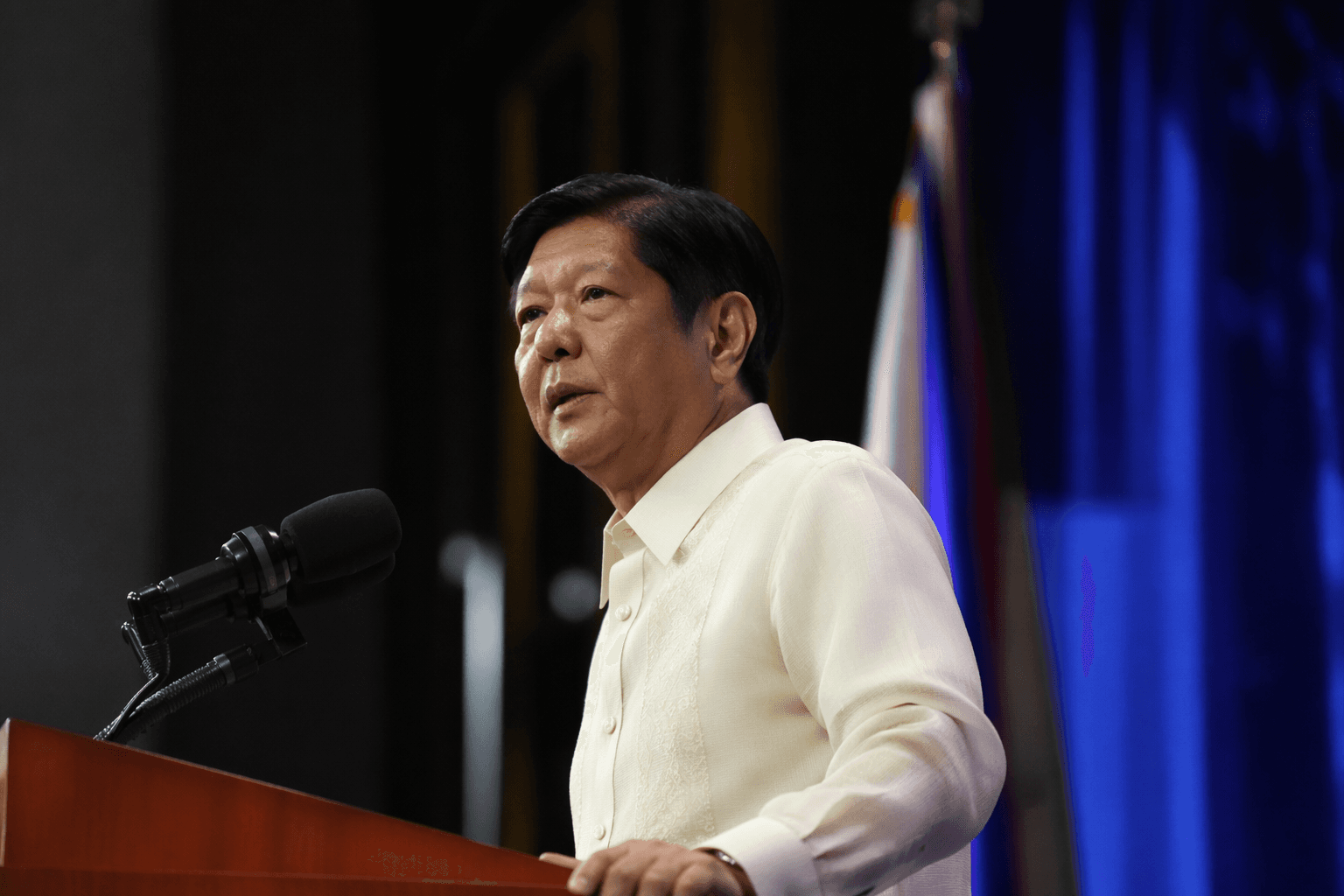
The World Bank moved the Philippines into upper-middle-income status after its gross national income per capita reached $4,850, just above the $4,636 cutoff for fiscal year 2026. President Ferdinand Marcos Jr. welcomed the reclassification. Upper-middle-income economies have GNI per capita between $4,636 and $14,375 using the Atlas method, and the World Bank updates the classification every July 1. The Philippines was one of five economies to move up this year: Jordan, Micronesia, Sri Lanka and Vietnam.
Marcos had signaled the shift was coming months earlier, telling a Philippine Development Forum audience in October 2025 that the country was ready for the transition. At that point, the World Bank still classified the Philippines as lower-middle income, with 2024 GNI per capita at $4,470, and had indicated the move might not come until 2027. The July 1 reclassification arrived sooner than that forecast.
Department of Economy, Planning, and Development Secretary Arsenio Balisacan said the upgrade reflected the resilience of the Philippine economy and the payoff from long-running reforms, stronger fundamentals and inclusive growth despite global and domestic shocks. DEPDev said GDP grew by an average of 5.8% from 2021 to 2025, while GNI per capita rose 8.5% in 2025 on the back of stronger performance across industries. The new status could improve the country’s credit profile, lift investor confidence and open access to financing and higher-quality investments that create better jobs.
Some concessional official development assistance may decline as the country moves into a higher income bracket, though better market access and stronger fundamentals should outweigh the loss. Balisacan also pointed to overseas Filipino workers, whose earnings are counted in national income, as part of the push that lifted the country over the threshold, while stressing that the longer-term goal remains more high-quality jobs at home.
The World Bank’s 2025 growth and jobs report says the Philippines posted rapid, investment-led and pro-poor growth over the past 15 years, with GDP rising an average of 5.2% from 2010 to 2023 and more than 11.7 million jobs added since 2010. Productivity gains remain weak, export competitiveness has slipped and skills and climate resilience still constrain the economy.
This article was produced by Prism’s automated news system from verified source data, official records, and press releases, then run through automated quality and moderation checks before publishing. The system is built and supervised by the people who set the standards it runs under. Read our full AI policy.
Did this article answer your question?