Mark Fuhrman, O.J. Simpson detective, dies at 74 after cancer battle
Mark Fuhrman, the detective tied to the bloody glove and racist tape scandal in the O.J. Simpson trial, died at 74 after battling throat cancer.

Mark Fuhrman, the former Los Angeles Police Department detective whose name became inseparable from the O.J. Simpson murder case, died at 74 after battling an aggressive throat cancer. He died May 12 in Idaho, ending a public life defined less by his police work than by the credibility crisis that helped reshape one of the most watched trials in modern American history.
Fuhrman was one of the lead investigators in the 1994 killings of Nicole Brown Simpson and Ron Goldman, and he became widely associated with the bloody glove found at Simpson’s Brentwood estate. That piece of evidence, once seen as central to the prosecution’s case, turned into one of the trial’s most indelible images when the defense challenged how it was handled and what it meant.
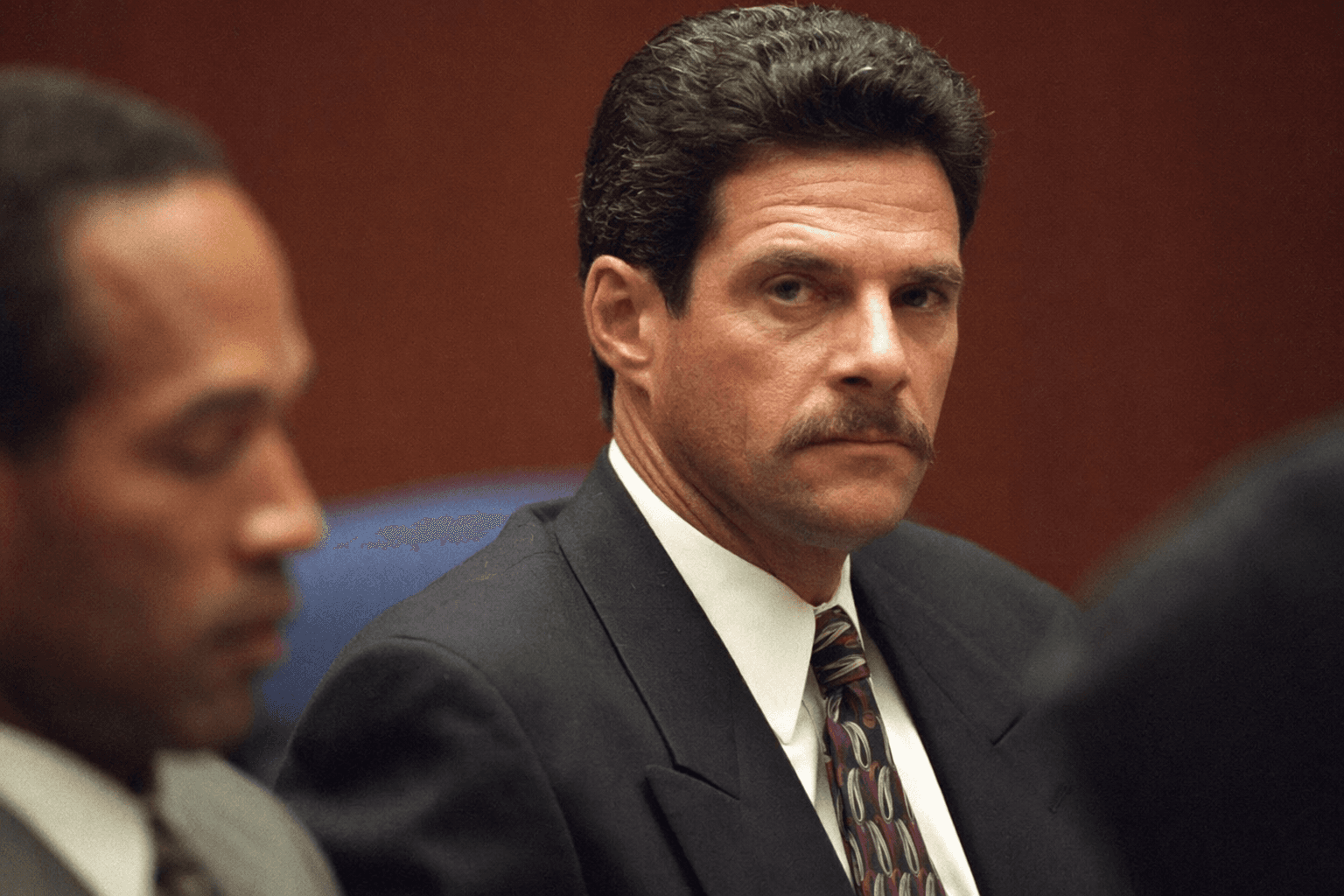
The larger break for Fuhrman came during the 1995 trial before Judge Lance Ito, when defense lawyers used taped racist remarks to attack his credibility. The disclosure of those tapes threw the proceedings into chaos and shifted public attention away from forensic evidence and toward the conduct of the detective himself. In a case already charged by race, celebrity and the brutal facts of the killings, Fuhrman became a symbol of the defense’s argument that police testimony could not be trusted.
His reputation did not recover. In 1996, Fuhrman pleaded no contest to felony perjury for lying under oath about the slurs. The legal fallout gave the Simpson case another layer of consequence, reinforcing a national debate over police honesty, racial bias and the power of defense lawyers to expose weaknesses in criminal investigations.
The O.J. Simpson trial remains one of the most consequential criminal trials in recent U.S. history, not only because of the verdict but because of the way it exposed fault lines in policing and public trust. Fuhrman’s role, and the collapse of his credibility, became part of that larger reckoning. For many Americans, the case was never just about Simpson, the glove or the verdict. It was also about what happened when a detective’s testimony became a test of the justice system itself.
After the trial, Fuhrman turned to true-crime writing, including Murder in Brentwood, and later worked in media commentary. But the central chapter of his life remained the same: the detective whose name became a shorthand for the racial and institutional fractures laid bare by the Simpson case.
This article was produced by Prism’s automated news system from verified source data, official records, and press releases, then run through automated quality and moderation checks before publishing. The system is built and supervised by the people who set the standards it runs under. Read our full AI policy.
Did this article answer your question?