Markets wobble as Trump threatens tariffs to secure Greenland purchase
Global markets wobble as Trump vows tariffs on eight European nations to press for a Greenland sale; currencies and stocks swing amid fears of retaliation.
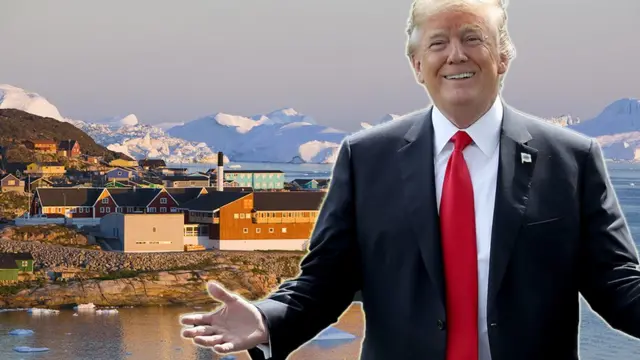
President Donald Trump said he would impose an additional 10 percent U.S. import tariff from Feb. 1 on goods from Denmark, Norway, Sweden, France, Germany, the Netherlands, Finland and Britain, rising to 25 percent on June 1 if a deal to allow the United States to buy Greenland is not reached. The announcement sent ripples through currency and equity markets, fanned talk of European retaliation and sharpened concerns about a renewed era of economic confrontation just ahead of the World Economic Forum in Davos.
The euro fell to a seven‑week low in late Sunday trading, slipping to roughly $1.1571 as Asian markets opened from about $1.16 on the prior Friday. The broad U.S. dollar index retreated toward 99 from multi‑week highs, weakening against safe‑haven peers such as the Japanese yen and Swiss franc even as the British pound dipped. The Australian dollar slid from 67.09 U.S. cents on the previous Friday to about 66.66 U.S. cents on Monday morning. U.S. equity markets remained closed for Martin Luther King Jr. Day, delaying a full Wall Street response.
European equities entered the episode in relatively strong form, with Germany’s DAX and London’s FTSE up more than 3 percent since the start of the year and outperforming the S&P 500’s roughly 1.3 percent gain. Still, strategists warned that an escalation with concrete tariffs could sap investor sentiment after markets had largely brushed off trade threats in the latter half of 2025. Analysts pointed to April 2025’s so‑called “Liberation Day” tariffs as evidence that headlines alone can unsettle markets; that episode sent shockwaves through asset prices and corporate planning.
European governments responded swiftly. The eight targeted states issued a joint statement backing Greenland on Jan. 18 and leaders discussed possible countermeasures, including resurrecting prior plans to impose reciprocal tariffs on U.S. goods. Reports indicated French officials urged activation of the EU’s anti‑coercion instrument, and Ireland’s prime minister warned of retaliation if U.S. tariff threats materialized. The political standoff raises the prospect of a tit‑for‑tat escalation that could ripple through global supply chains and trade-sensitive sectors.
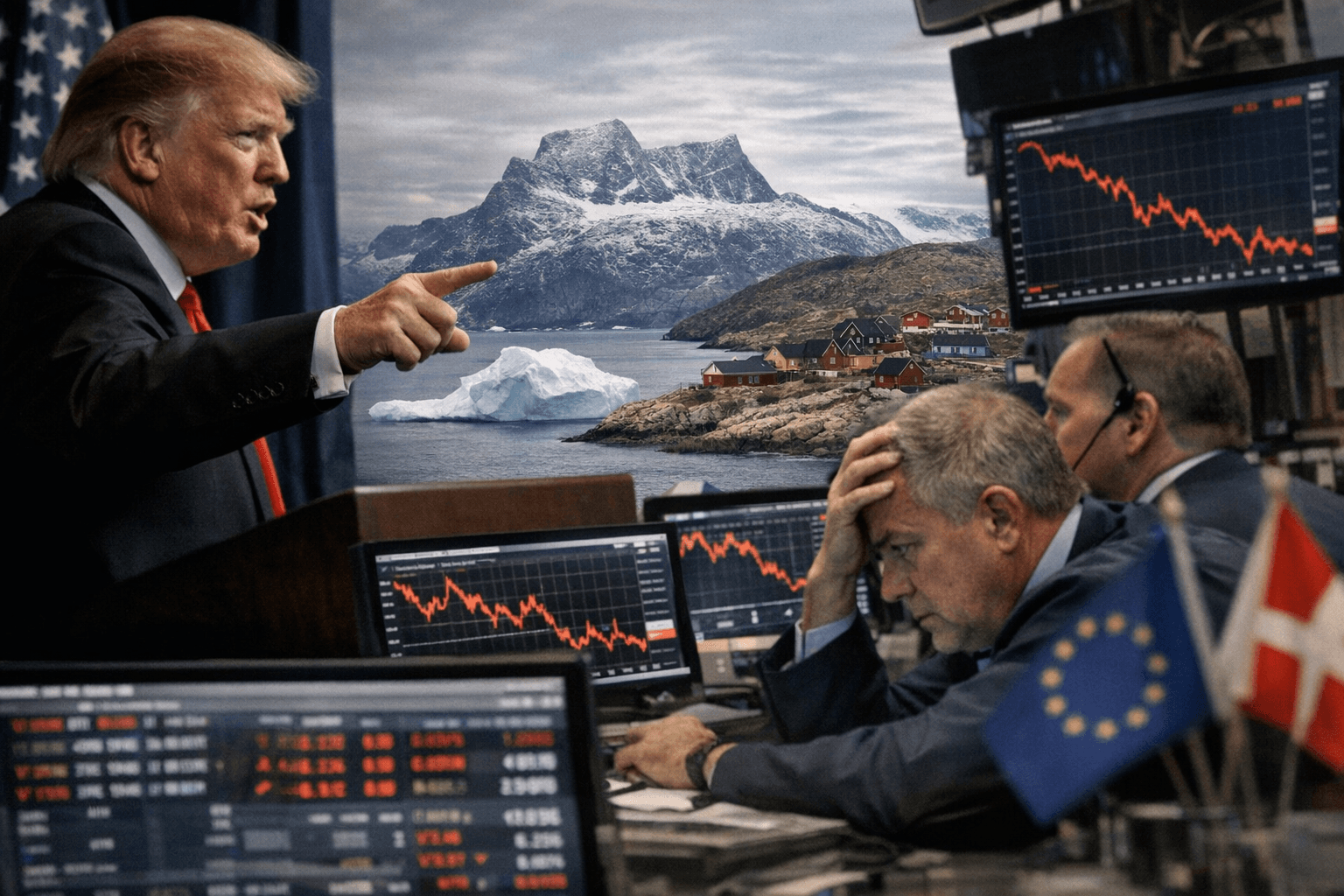
Economists estimate even a modest U.S. tariff would have measurable economic costs. A 10 percent U.S. tariff could shave about 0.1 percentage point off GDP in the United Kingdom and Germany, while a 25 percent levy could reduce output by roughly 0.2 to 0.3 percentage points, according to market coverage. Market commentators further warned the dollar could face longer‑term pressure if an erosion of U.S. policy credibility prompted Europeans to repatriate capital or shun U.S. assets, a dynamic that would also weigh on high U.S. technology valuations.
The timing compounds risk. The World Economic Forum’s risk perception survey published ahead of Davos identified economic confrontation as the top concern, replacing armed conflict, amplifying sensitivity to geopolitical trade moves. With the U.S. president planning to attend Davos and U.S. markets offline for a holiday, investors may see a delayed and more volatile market response when American trading resumes. For now, the announcement has injected fresh uncertainty into already fragile cross‑border economic relations, raising stakes for policymakers on both sides of the Atlantic.
This article was produced by Prism’s automated news system from verified source data, official records, and press releases, then run through automated quality and moderation checks before publishing. The system is built and supervised by the people who set the standards it runs under. Read our full AI policy.
Did this article answer your question?