Martin Short Says Daughter’s Death Was a Nightmare for Family
Martin Short said his daughter Katherine’s death was “a nightmare for the family,” and described her long struggle with severe mental illness.
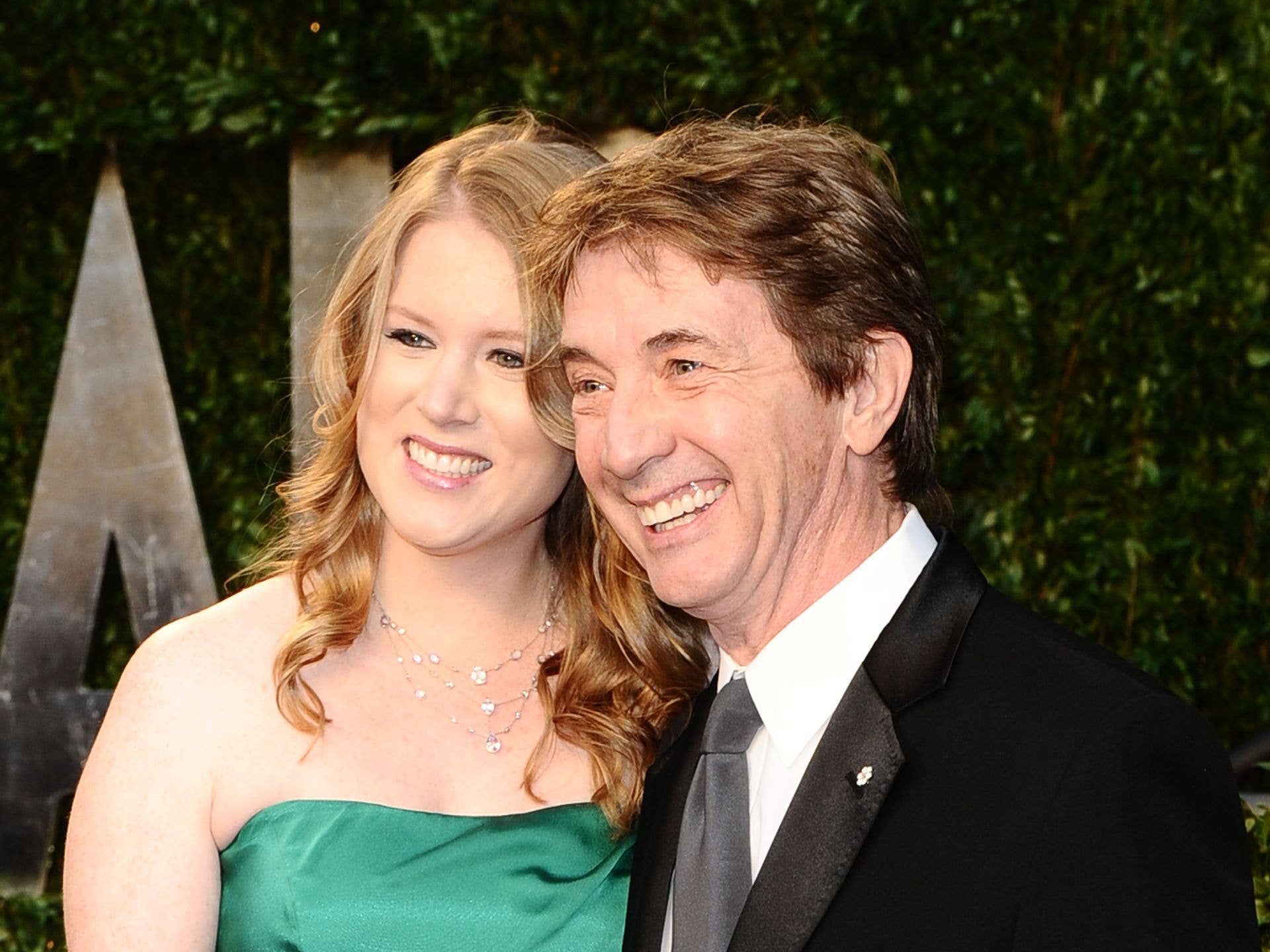
Martin Short spoke publicly for the first time about the death of his daughter Katherine Hartley Short, saying her loss has been “a nightmare for the family.” In a CBS Sunday Morning interview shared May 10, 2026, the actor and comedian reflected on the death of his eldest child as the family marked Mother’s Day weekend without her.
Short said Katherine “fought for a long time” with severe mental health struggles and compared mental illness to cancer, saying both can become terminal diseases. He also said she “did the best she could until she couldn’t,” a stark line that underscores how long-term psychiatric illness can wear down both patients and the relatives who try to support them.
Katherine Hartley Short died at age 42 in February 2026 at her home in Hollywood Hills, Los Angeles. Her family confirmed the death and asked for privacy, saying she would be remembered for the “light and joy she brought into the world.” Official records later listed the death as a suicide by self-inflicted gunshot wound on Feb. 23, 2026.
Her death adds another painful chapter to a family that has already endured profound loss. Katherine was Martin Short’s eldest child and the daughter he shared with his late wife, Nancy Dolman, who died of ovarian cancer in 2010. Short has also endured the deaths of his brother and parents, losses that have shaped the public way he has spoken about grief and resilience.

Katherine’s background gave her struggle a particular resonance. She was reported to be a licensed clinical social worker who had worked in private practice and clinical settings in Los Angeles, and she was also involved with Bring Change 2 Mind, the nonprofit created to reduce mental-health stigma. That combination of professional training and lived experience reflects a reality many families face, where knowledge about mental illness does not erase its force at home.
The broader public-health lesson is familiar but still urgent: severe mental illness can become life-threatening, and families need support as much as the person in crisis. Language matters, especially when describing suicide and psychiatric illness, and warning signs such as worsening hopelessness, isolation or talk of being unable to go on should be treated as emergencies. Families facing a crisis should reach out immediately to emergency services, a mental-health professional or a suicide crisis line, because timely intervention can save lives.
This article was produced by Prism’s automated news system from verified source data, official records, and press releases, then run through automated quality and moderation checks before publishing. The system is built and supervised by the people who set the standards it runs under. Read our full AI policy.
Did this article answer your question?