Maruti Suzuki shares jump as small-car demand offsets profit miss
Maruti Suzuki added $1.24 billion in value as investors bet on small cars, even after a profit miss. Pending orders show India’s budget end of the market is still driving demand.
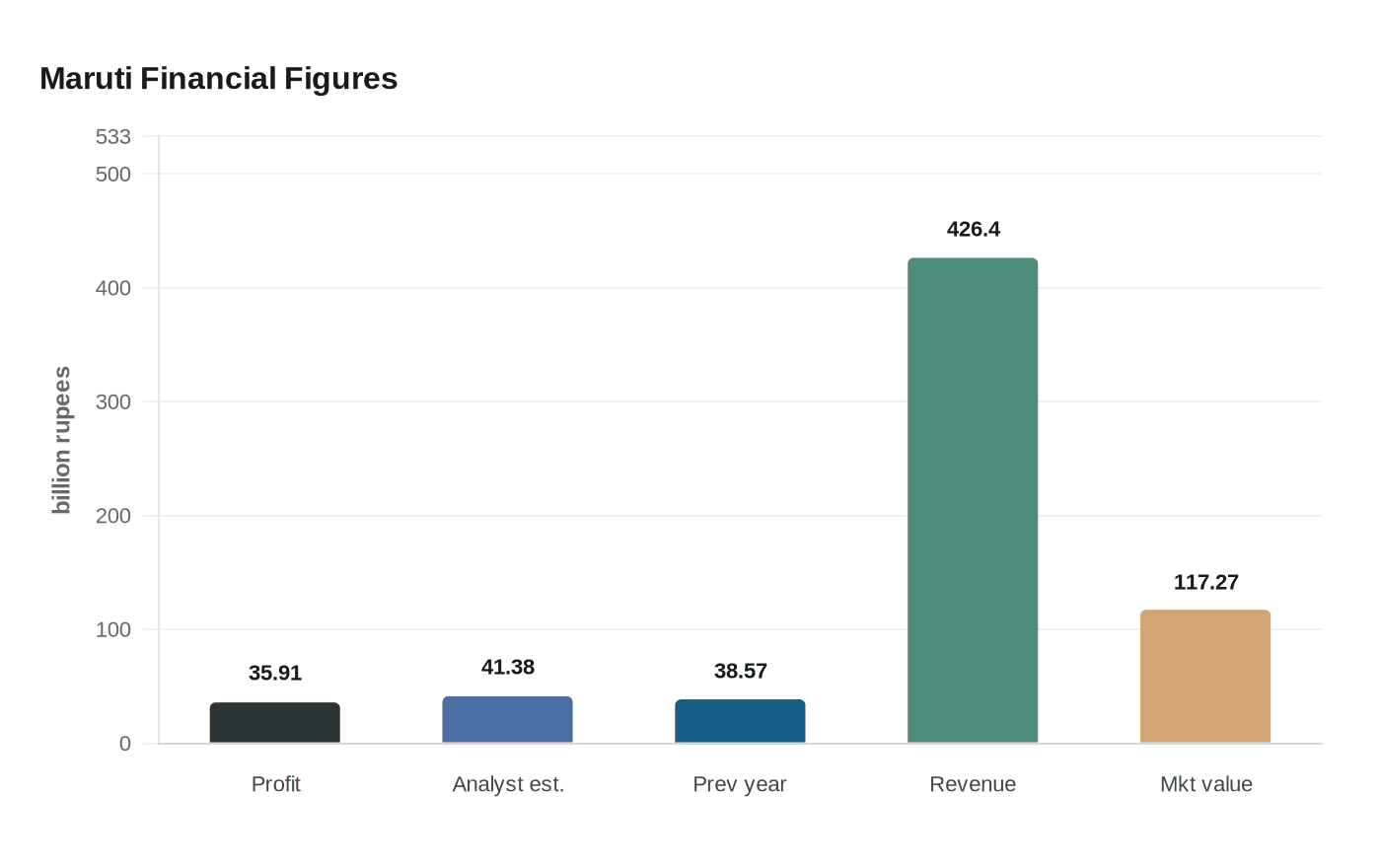
Maruti Suzuki India added 117.27 billion rupees, or about US$1.24 billion, in market value as investors chose to focus on its small-car order book rather than a quarterly profit miss. The stock climbed as much as 5.1% intraday and finished 2.8% higher, making Maruti the biggest support for India’s auto index, which ended the day 1.2% higher.
The company reported profit of 35.91 billion rupees for the quarter ended March 31, below analyst estimates of 41.38 billion rupees. Reuters reported that profit also slipped from 38.57 billion rupees a year earlier, as higher raw-material costs and weaker other income weighed on earnings. Even so, revenue rose 6.4% to 426.4 billion rupees, a sign that volumes remained resilient even as margins tightened.
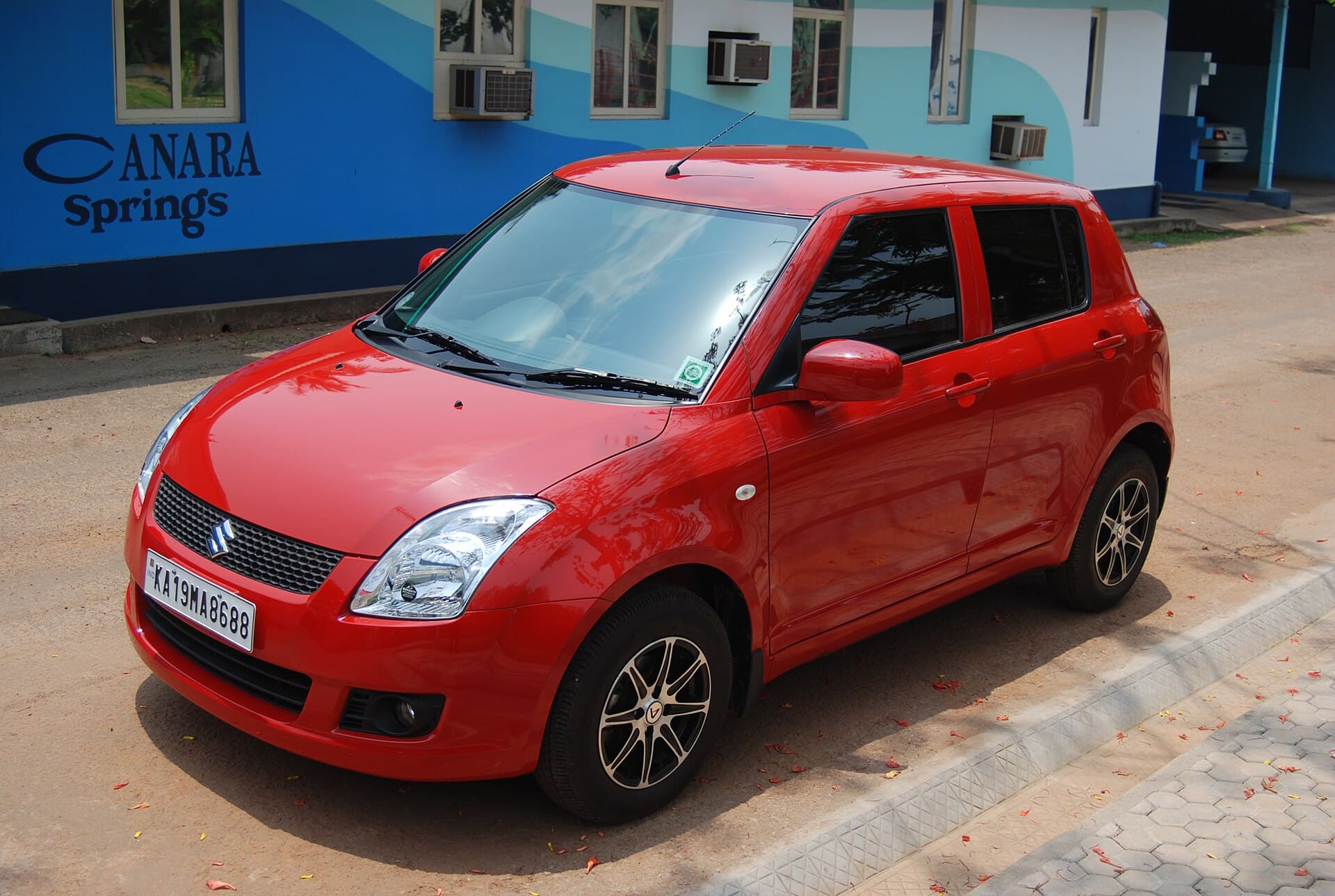
What mattered most to the market was the mix of demand. R.C. Bhargava said about 130,000 of the 190,000 pending orders were for small cars, underscoring where Maruti’s growth is still concentrated. The company said dealer inventory stood at about 12 days’ stock at year-end, a lean level that suggests showroom supply has not run ahead of demand. Maruti also said it achieved record total sales of 2,422,713 units in FY2025-26, including 1,974,939 domestic sales and 447,774 exports.
The reaction points to a broader shift in India’s car market. Investors are again rewarding affordable models after the GST Council cut tax on small cars from 28% to 18%, effective September 22, 2025. That policy change made hatchbacks and compact sedans cheaper and helped revive traffic in the mass-market segment, while premium growth has shown its limits against household budgets that remain sensitive to price, fuel bills and financing costs.
Maruti’s own response is to push supply harder. The company plans to expand manufacturing capacity by about 500,000 units in the current fiscal year with a US$1.48 billion investment, betting that demand can absorb more output. For India’s largest carmaker, the message from the market was clear: one weak quarter mattered less than the fact that affordable cars are still where the volume is.
This article was produced by Prism’s automated news system from verified source data, official records, and press releases, then run through automated quality and moderation checks before publishing. The system is built and supervised by the people who set the standards it runs under. Read our full AI policy.
Did this article answer your question?