Rare Earths Americas Seeks Up to $368 Million Valuation in U.S. IPO
Rare Earths Americas opened its IPO roadshow with a $368.4 million valuation target as investors bet on U.S. efforts to break China’s grip on rare earths.
Rare Earths Americas opened its U.S. IPO roadshow with a valuation target of up to $368.4 million, a sign that public markets are still willing to pay for exposure to the race to secure critical minerals away from China. The exploration-stage company plans to sell about 2.78 million shares at $17 to $19 each, a deal that could raise as much as $52.8 million in gross proceeds and list on NYSE American under the ticker REA.
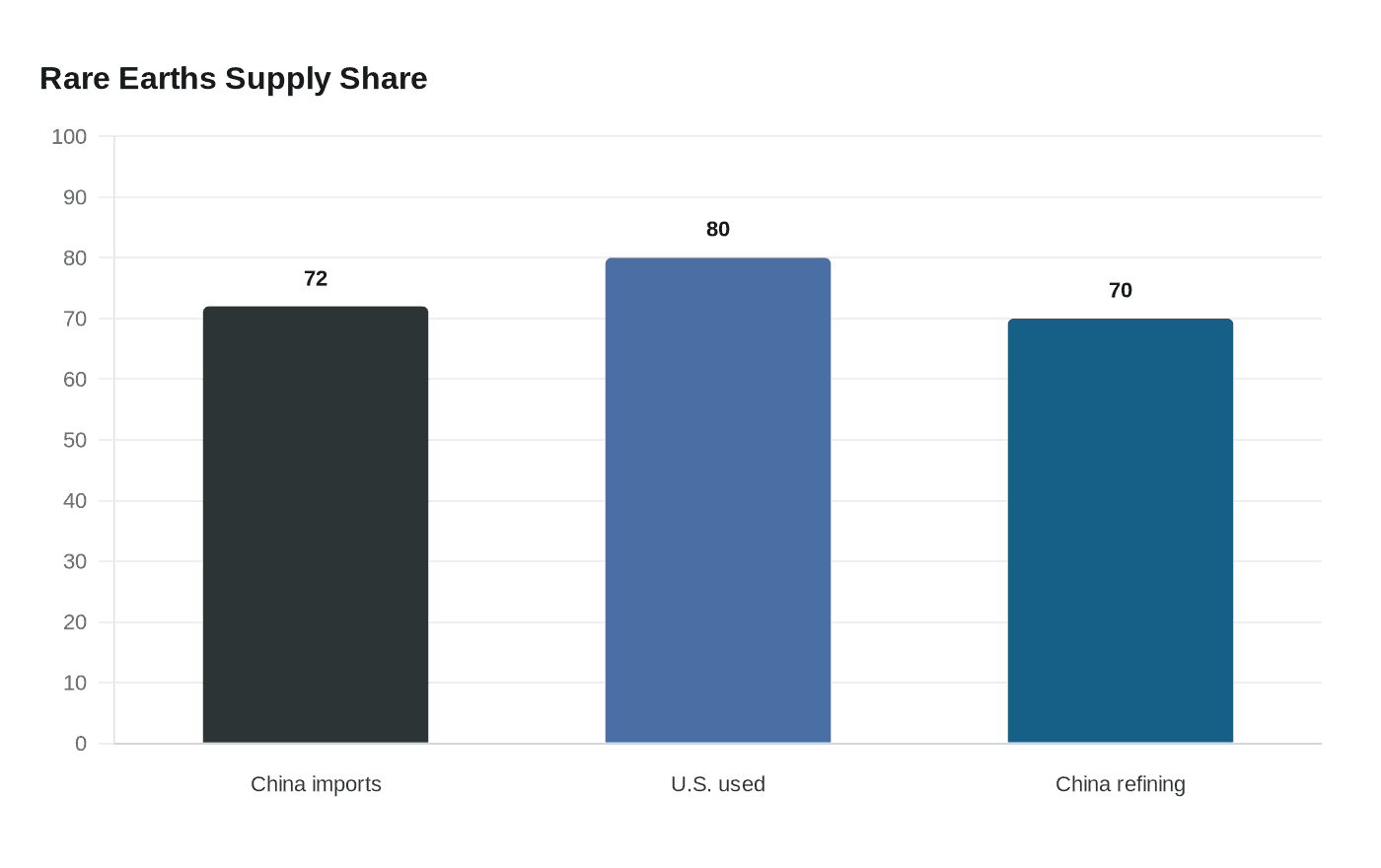
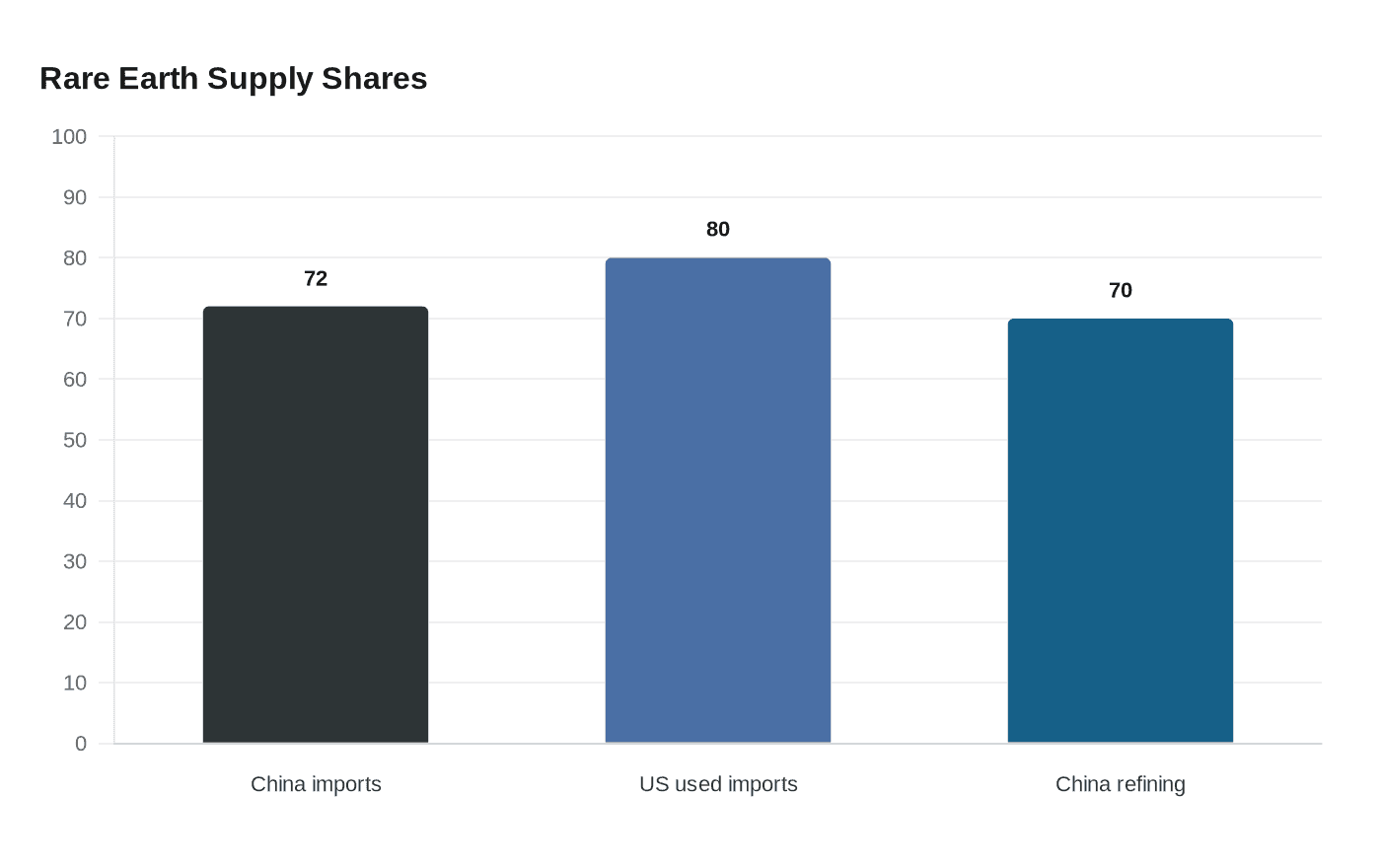
The offering lands at a moment when rare earths have become a national-security issue as much as a mining story. U.S. Geological Survey data show China supplied 72% of U.S. imports of rare-earth compounds and metals from 2019 through 2022, and the agency’s final 2025 critical minerals list says the United States imported 80% of the rare earth elements it used in 2024. The International Energy Agency has also warned that China leads refining for 19 of 20 major strategic minerals, with an average market share of 70%, underscoring how concentrated the supply chain remains even before ore is turned into usable material.
Rare Earths Americas is pitching itself as a heavy rare earth explorer with projects in the United States and Brazil, including the Shiloh Project in Georgia and the Alpha and Constellation projects in Brazil. Market materials describe the Brazilian deposits as ionic adsorption clay systems, while Shiloh is a monazite-bearing system, a technical distinction that matters because processing pathways, costs and permitting risks differ sharply between the two.
The company filed its Form S-1 registration statement with the SEC on April 14, then launched the roadshow on April 28 with Cantor and Stifel as lead underwriters. That sequence puts the market’s focus squarely on whether the company can turn IPO cash into tangible progress: drilling, metallurgical testing, engineering, land acquisition and permits. For an exploration-stage miner, those milestones are not cosmetic. They are the steps that determine whether a critical minerals story becomes a domestic supply source or remains a valuation theme.
That is the central test embedded in the deal. Investors are not just buying a small mining float; they are buying a claim on the broader U.S. effort to reduce dependence on Chinese processing and imports. If Rare Earths Americas can move its Georgia and Brazil assets toward feasibility while building a credible permitting and development path, the IPO could look like an early bet on supply-chain reordering. If not, the valuation will have reflected the geopolitical mood more than the geology.
This article was produced by Prism’s automated news system from verified source data, official records, and press releases, then run through automated quality and moderation checks before publishing. The system is built and supervised by the people who set the standards it runs under. Read our full AI policy.
Did this article answer your question?

