Maryland governor presses PJM for reforms as power bills surge
Maryland’s governor is pressing PJM to change how it charges and plans for power, as capacity payments have soared roughly 1,000% in two years.
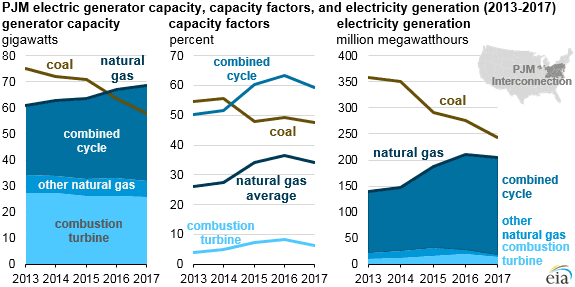
Rising electricity bills are putting Maryland Gov. Wes Moore on a collision course with PJM Interconnection, the giant grid operator that serves 13 states across the Midwest and Mid-Atlantic. In a Monday address, Moore pushed for long-term power contracts and a rule that data centers help pay for the expensive infrastructure needed to serve them, arguing that families should not be forced to absorb higher prices just to keep up with the system’s strain.
Moore framed the issue as a test of priorities, saying it was a “false choice” to suggest that keeping the lights on tomorrow requires households to pay punishing prices today. His message landed as PJM faces growing political pressure over affordability, reliability and the costs of a market that covers one of the country’s most important power regions and the world’s largest concentration of data centers.
The urgency is driven by numbers that have jolted state leaders. PJM’s capacity payments, which are intended to ensure enough electricity is available during periods of heavy demand, have risen roughly 1,000% over the last two years. The market has been scrambling to catch up with a surge in demand from data-center operators, especially as artificial intelligence expands electricity use and new generation has lagged behind. Moore has also joined a broader bloc of governors that last year pushed for a temporary cap on prices, underscoring how the debate has moved from technical grid policy into mainstream political fights over monthly bills.
PJM and its members, which include utilities and power-plant developers, agree that the system needs changes, but they sharply dispute the cause of the volatility. PJM says a patchwork of state policies, including clean-energy goals and government intervention, has discouraged investment in new power plants. Moore and other governors argue the grid operator has moved too slowly to add generation and has approved costly transmission projects that have not delivered enough value to their states.
That split has made PJM a flash point far beyond Maryland. As data-center growth, AI demand and household affordability collide in the same regulatory arena, the stakes now extend across a multistate market that helps set the pace for electricity policy in much of the Eastern United States. The outcome of Moore’s push could shape whether regional grid rules are rewritten to spread costs differently, or whether state leaders keep escalating pressure on the operators that run them.
This article was produced by Prism’s automated news system from verified source data, official records, and press releases, then run through automated quality and moderation checks before publishing. The system is built and supervised by the people who set the standards it runs under. Read our full AI policy.
Did this article answer your question?

