Masks, movies and solo deck walks as hantavirus hits cruise ship
Passengers on the MV Hondius were left in cabin isolation, masking and taking solo deck walks as seven hantavirus cases, including three deaths, emerged at sea.

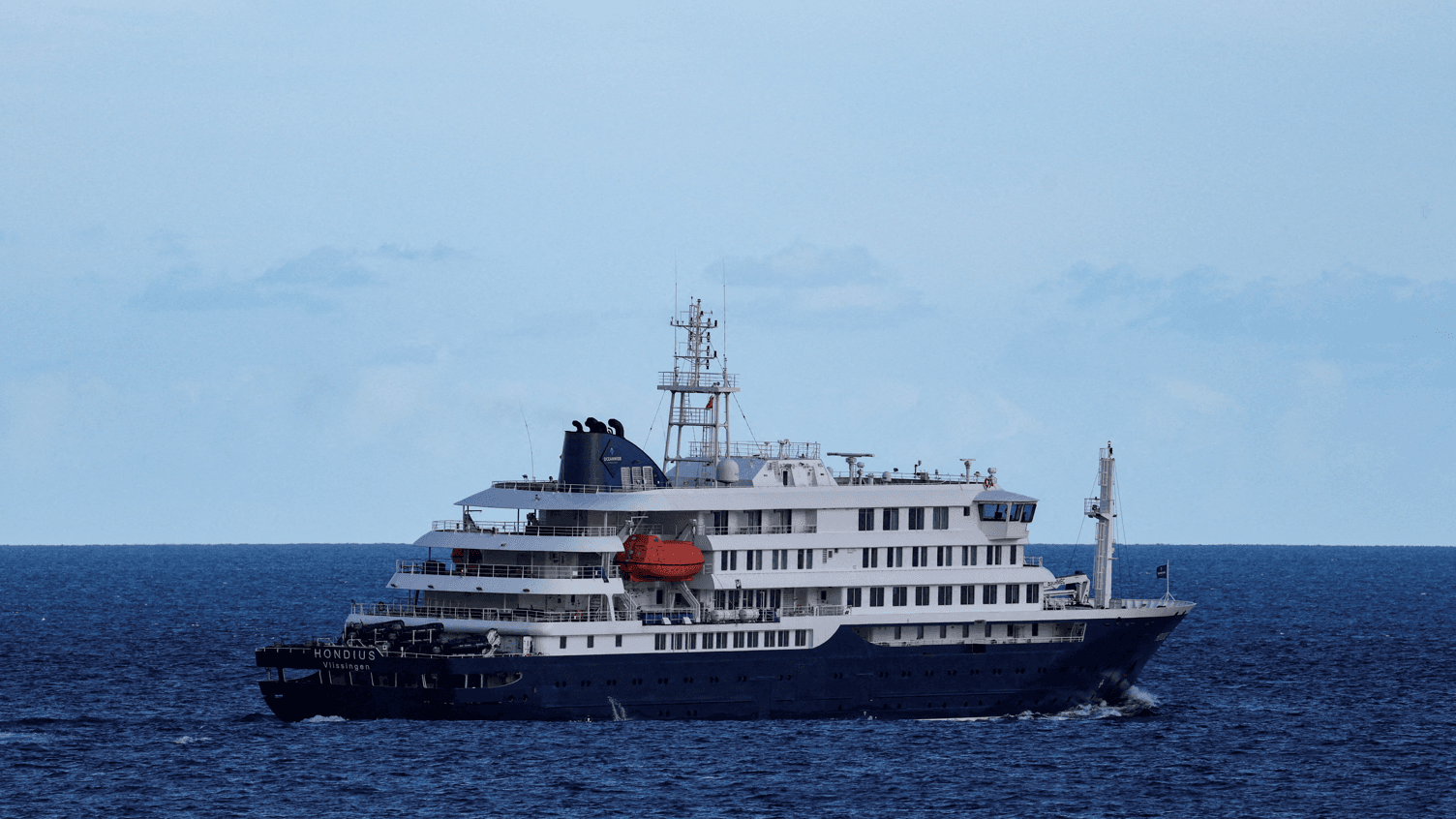
Masks became part of the routine. So did movies, and the brief permission to step alone onto the deck. On the MV Hondius, a Netherlands-based expedition cruise vessel operated by Oceanwide Expeditions, nearly 150 passengers and crew spent days waiting at sea while a dangerous illness moved through the ship and officials weighed where, and whether, it could dock.
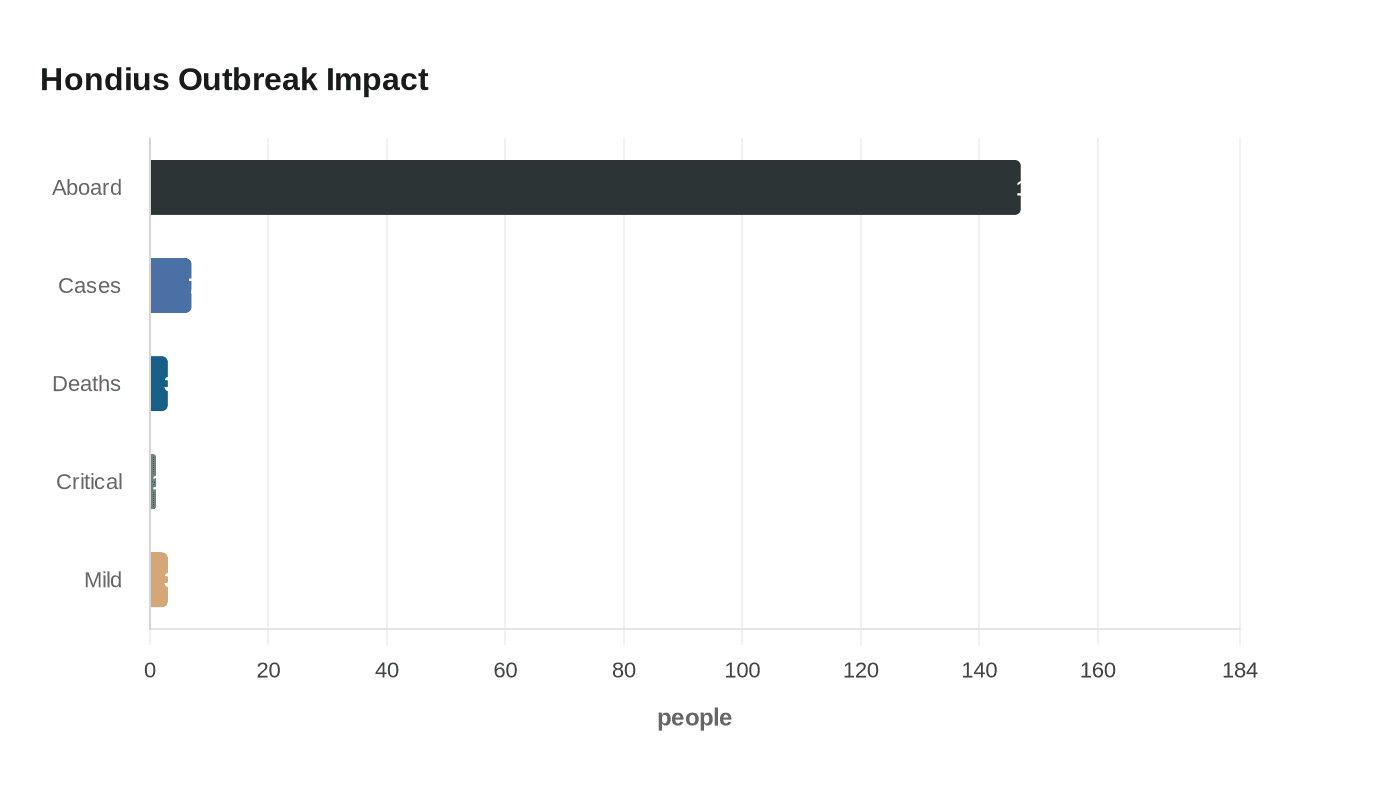
The World Health Organization said the outbreak was reported on May 2, 2026, and by May 4 it had identified seven cases among 147 people aboard: two laboratory-confirmed hantavirus infections and five suspected cases. Three people had died, one patient was critically ill and three others had mild symptoms. Illness onset stretched from April 6 to April 28, a sign that the ship was carrying the outbreak for weeks before it was recognized.
The symptoms pointed to a severe and fast-moving disease. WHO said patients developed fever, gastrointestinal illness, rapid progression to pneumonia, acute respiratory distress syndrome and shock. That clinical pattern made the episode especially alarming because hantavirus can be difficult to diagnose early, and initial symptoms can resemble other respiratory infections. The agency said human-to-human transmission could not be ruled out and may have occurred among close contacts on board, even though that route is rare.
On the ship, containment meant isolation rather than certainty. Passengers were mostly confined to their cabins, with limited solo deck walks allowed as they waited for evacuation or a decision on where the vessel could go. The measures reflected how cruise operators now respond to onboard outbreaks in theory, but the experience at sea was one of prolonged uncertainty, with people told to stay apart while the infection’s path was still being mapped.
The diplomatic and public-health response also showed how quickly an outbreak at sea can become a border issue. Cape Verde refused permission for the Hondius to dock in Praia as a precaution to protect the local population, leaving the ship anchored off the coast. Spain later agreed to receive the vessel in the Canary Islands, with the ship expected to head to Las Palmas or Tenerife after inspection and disease-control review.
Oceanwide Expeditions said it was managing a serious medical situation and arranged evacuation for two people needing urgent care, plus one person associated with a guest who died on May 2, using specialized aircraft en route to Cape Verde. The case underscored why hantavirus remains a public-health concern even in rare outbreaks: in the Americas alone, PAHO recorded 229 confirmed hantavirus pulmonary syndrome cases and 59 deaths across eight countries in 2025.
This article was produced by Prism’s automated news system from verified source data, official records, and press releases, then run through automated quality and moderation checks before publishing. The system is built and supervised by the people who set the standards it runs under. Read our full AI policy.
Did this article answer your question?