Massive protests across Argentina demand funding for public universities
Hundreds of thousands flooded Buenos Aires as university leaders warned six UBA hospitals could lose funds and stop serving 700,000 patients a year.

Argentina’s latest university uprising was not just a fight over pesos. It was a test of how much public capacity the state can still sustain under Javier Milei’s austerity drive, and whether free higher education remains a pillar of social mobility or another casualty of retrenchment.
Hundreds of thousands of teachers, students, academic authorities and union members packed Plaza de Mayo and nearby avenues in Buenos Aires, while rallies spread to cities across the country. Organizers said more than 1.5 million people joined the fourth Federal University March against Milei’s policies. Drums, flags and placards filled downtown Buenos Aires, with banners insisting that the government comply with the law and release money already approved by Congress. One repeated message was blunt: “Milei, comply with the law.”
At the center of the confrontation is Law 27.795, the university funding measure Congress approved in 2025. The official legal summary says it was sanctioned on August 21, 2025 and published on October 21, 2025, with the stated aim of protecting and sustaining public university financing nationwide and recomputing faculty salaries. Milei vetoed the bill, saying his government believed it would damage fiscal balance. In 2026, a federal court ordered the administration to comply with the law, turning the dispute into a political and judicial clash.
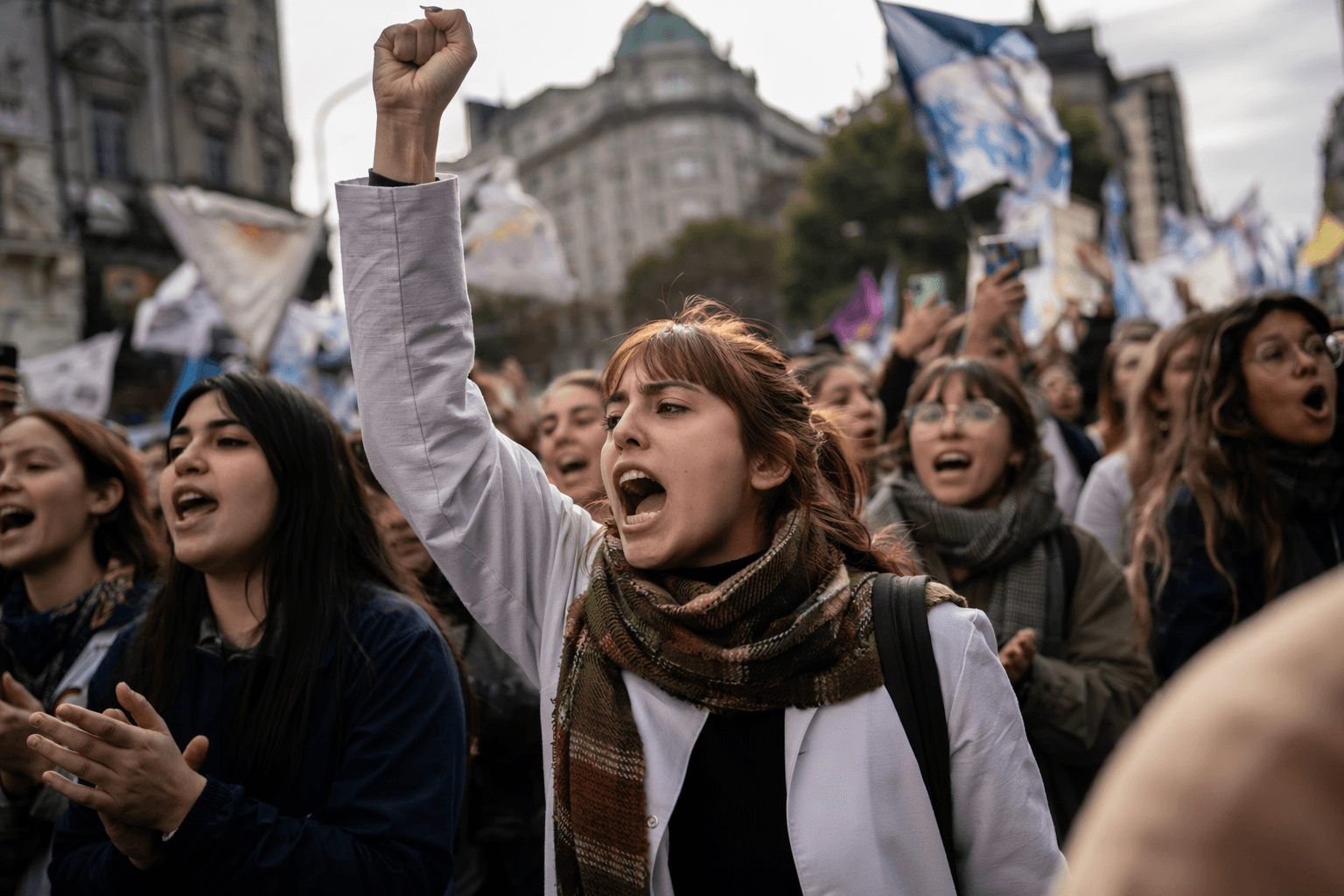
University leaders say the consequences are already visible on campuses and in clinics. Before the march, directors of the University of Buenos Aires hospitals warned that the six hospitals could not keep functioning without operational funds. Those hospitals reportedly serve about 700,000 people a year, making the funding gap a public health problem as much as an academic one. University officials said the shortfall threatened patient care, staff salaries, research and teaching at the same time.
The government has argued that it is already funding universities heavily, noting that the 2025 university budget was the third-highest item in the national budget and that operating expenses rose 270%. But the National Interuniversity Council has estimated that university resources have fallen by more than 45 percent in real terms since Milei took office, a collapse that critics say deepens brain drain and shuts out working-class students who depend on public universities to move up.
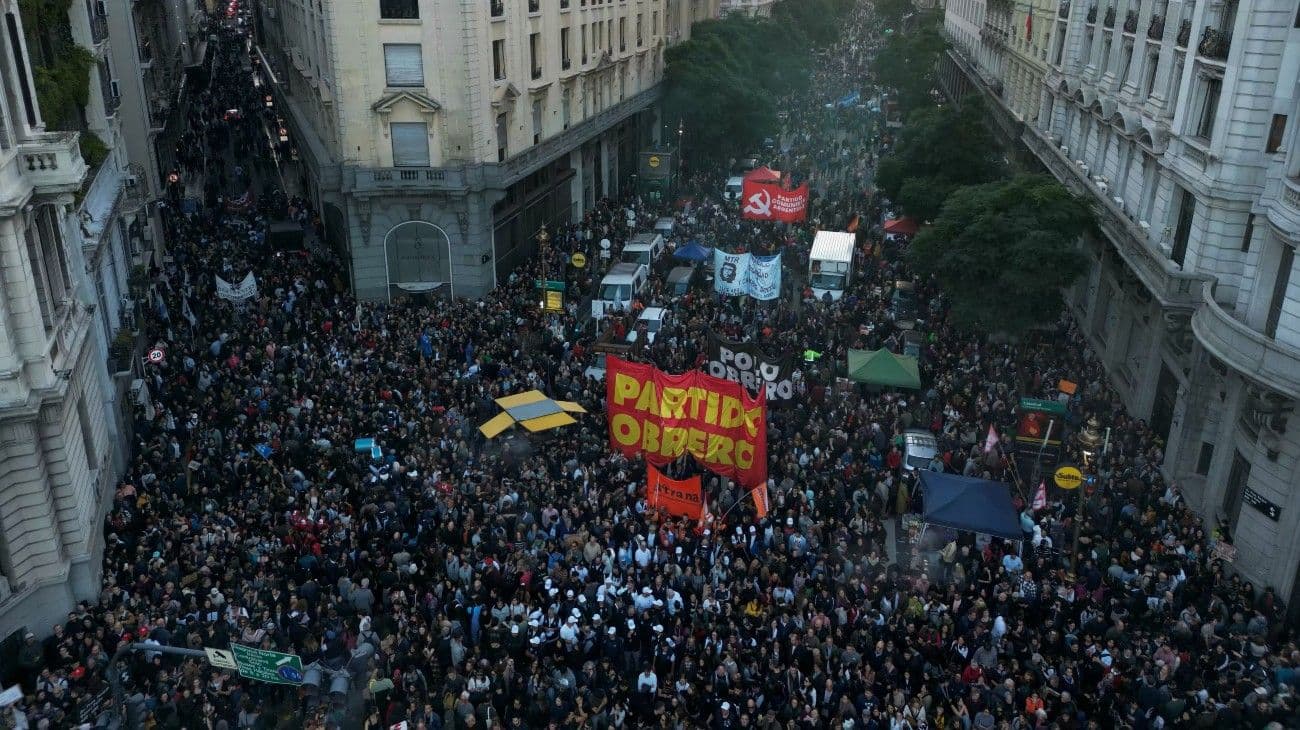
That is why the protests resonated well beyond academia. In a country where public universities have long symbolized national pride, the struggle now reaches into hospitals, classrooms and the broader economy. If the state cannot sustain them through inflation and austerity, demonstrators warned, Argentina risks weakening one of the few institutions that still expands opportunity instead of narrowing it.
This article was produced by Prism’s automated news system from verified source data, official records, and press releases, then run through automated quality and moderation checks before publishing. The system is built and supervised by the people who set the standards it runs under. Read our full AI policy.
Did this article answer your question?