Mastering Equibase Charts and DRF Speed Figures for Smarter Betting
Master Equibase's official charts and DRF speed figures to turn reliable data into smarter bets and better coverage for bettors, tracks, and racing professionals.
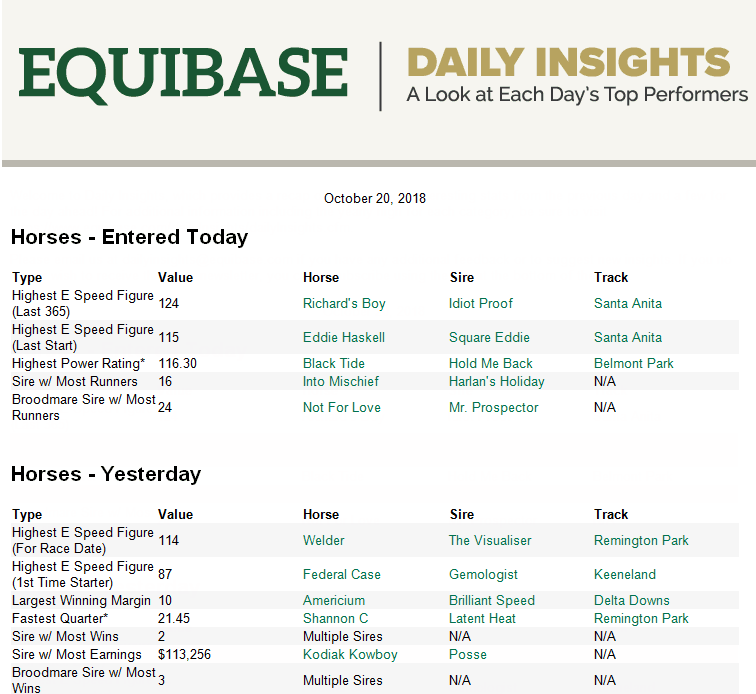
Misreading Equibase charts or overlooking Daily Racing Form (DRF) speed figures has immediate consequences for bettors, trainers and media: money lost at the windows, mistaken handicapping, and weaker race coverage that reduces purses and fan engagement. Converting passive readers into active sharers is also a business imperative — 98.6% of readers only view without sharing, while just 1.4% of articles get shared — so clarity in charts and speed interpretation has both on-track and off-track effects.
1. Understand what Equibase charts are and why they matter
Equibase is the official provider of North American charts, meaning its past-performance charts are the canonical record of what happened in a race. That official status matters for bettors and professionals because charts record exact fractions, finishing margins, equipment changes, and jockey/trainer details that affect entries, nominations, and wagering decisions. Treat Equibase charts as the baseline dataset: when you see a discrepancy between outlets, start with Equibase because regulators, stewards and most racing offices rely on its listings.
2. Read the header: race conditions, purse, and impact on strategy
The top of an Equibase chart lists race conditions, surface, distance, and purse — the variables that change trainer decisions and betting overlays. A purse size influences entries and late scratches, which in turn affect the field size and betting pools; understanding that connection helps you anticipate shifts in odds and coverage allocation by media. Always scan the header first: it frames whether a horse was entered for a tag, stepping up in class, or facing state-bred restrictions that change how you weight prior performances.
3. Decode fractions, final times, and pace implications
Equibase charts report fractional splits and final time to the hundredth or fifth depending on track reporting — these numbers tell you how the race was run. Compare early fractions to final time to infer whether the winner was pace-pressing or sitting off a hot pace; in turn, that informs whether a stalking horse or closer is likely to benefit next out. Use fractions to create a race-shape hypothesis for betting: if fractions were blistering and closers still hit the board, prioritize late runners on comparable tracks.
4. Extract jockey, trainer, equipment, and trip notes
Charts contain critical context: jockey changes, blinkers on/off, and the "charted" trip description that details interference or blocked runs. For handicapping, jockey-trainer combos and equipment shifts are predictive signals — trainers often make small equipment tweaks to sharpen response for a specific target race, and Equibase documents these moves. If a chart shows a troubled trip or blocked path, adjust your take on the raw finishing position; Equibase’s trip notes are the official narrative stewards and racing offices will reference.
5. Use DRF speed figures as value-added, not a substitute
Daily Racing Form provides value-added past performances, including DRF speed figures, which normalize performance across surfaces and distances. DRF figures convert raw times and fractions into comparative metrics that simplify cross-race evaluation, and they’re especially useful when you need a quick, quantified read on horses coming from different circuits. But don’t substitute DRF figures for chart study — pair DRF numbers with Equibase’s granular chart details to spot when a figure is inflated by pace or a flattered trip.
6. Combine Equibase and DRF in a repeatable handicapping workflow
1. Start with Equibase to confirm race conditions, fractional splits, trip notes and equipment.
2. Pull DRF speed figures for every starter to compare normalized performance across distances and surfaces.
3. Reconcile: if DRF shows a big figure but Equibase trip notes reveal a troubled trip or favorable bias, downgrade the figure’s weight.
4. Adjust for class, layoff, and surface change using the trainer and jockey information in Equibase.
5. Convert your conclusions into stakes for betting (win/place/show and exotic ticket sizing). This sequential workflow leverages Equibase as the authoritative record and DRF as the comparative calculator.
7. Adjust for track variants, bias, and inflation in figures
Neither Equibase charts nor DRF figures exist in a vacuum: tracks change, weather alters variants, and figures inflate when a circuit hits a hot streak. Use recent Equibase charts to detect bias — for example, multiple races where outside posts dominated or where speed held down the stretch — then scale DRF figures accordingly. Track variants can change how you weight a DRF figure; if a track showed a persistent speed-favoring bias in the past week of Equibase charts, favor speed-oriented horses even if their DRF numbers are slightly lower than closers.
8. Avoid common pitfalls that cost money and coverage
A frequent mistake is over-relying on a single metric — assuming a high DRF figure guarantees repeatability without checking Equibase trip notes, equipment changes, or post position. Another pitfall is treating Equibase charts as incomprehensible logs instead of digestible resources; investing time in learning chart fields reduces error and improves media coverage quality. Remember the business side: clearer, more actionable analysis increases shareability and fan trust, addressing the 98.6% passive reader problem and helping journalism and racetrack revenue.
9. Practical bet-sizing and ticket construction using both sources
When constructing bets, use Equibase to identify race shape and DRF figures to rank contenders. Size win bets where both sources align (top DRF figure and clean Equibase trip), and structure exotics to hedge divergence (e.g., include a DRF-upside horse with a questionable trip in exactas or trifectas). • Favor single-win bets only when Equibase confirms trip and conditions match past performance. • Use multi-race cards to exploit mismatches between raw Equibase speed and DRF-normalized numbers for overlay opportunities.
10. The cultural and business implications for racing coverage
Accurate chart interpretation and smart use of DRF figures improve not just bettors’ ROI but the cultural perception of the sport. Better analysis leads to smarter coverage, which helps attract casual fans into deeper engagement and can increase wagering pools — a direct business benefit for tracks and purses. As media strives to convert the 98.6% of passive readers into engaged followers, transparent, data‑driven guides that marry Equibase’s official record with DRF’s comparative metrics are the content products most likely to be shared (addressing the 1.4% current share rate).
Conclusion Mastering Equibase charts and DRF speed figures is a two-part skill: respect Equibase as the official race record and use DRF for normalized comparisons. Apply the sequential workflow above, adjust for track variants and trip context, and prioritize clarity to increase both betting edge and the sport’s cultural reach. Do this well and you’ll not only make smarter wagers — you’ll strengthen coverage, help stabilize purses, and give racing the analytical storytelling it needs to grow.
Know something we missed? Have a correction or additional information?
Submit a Tip