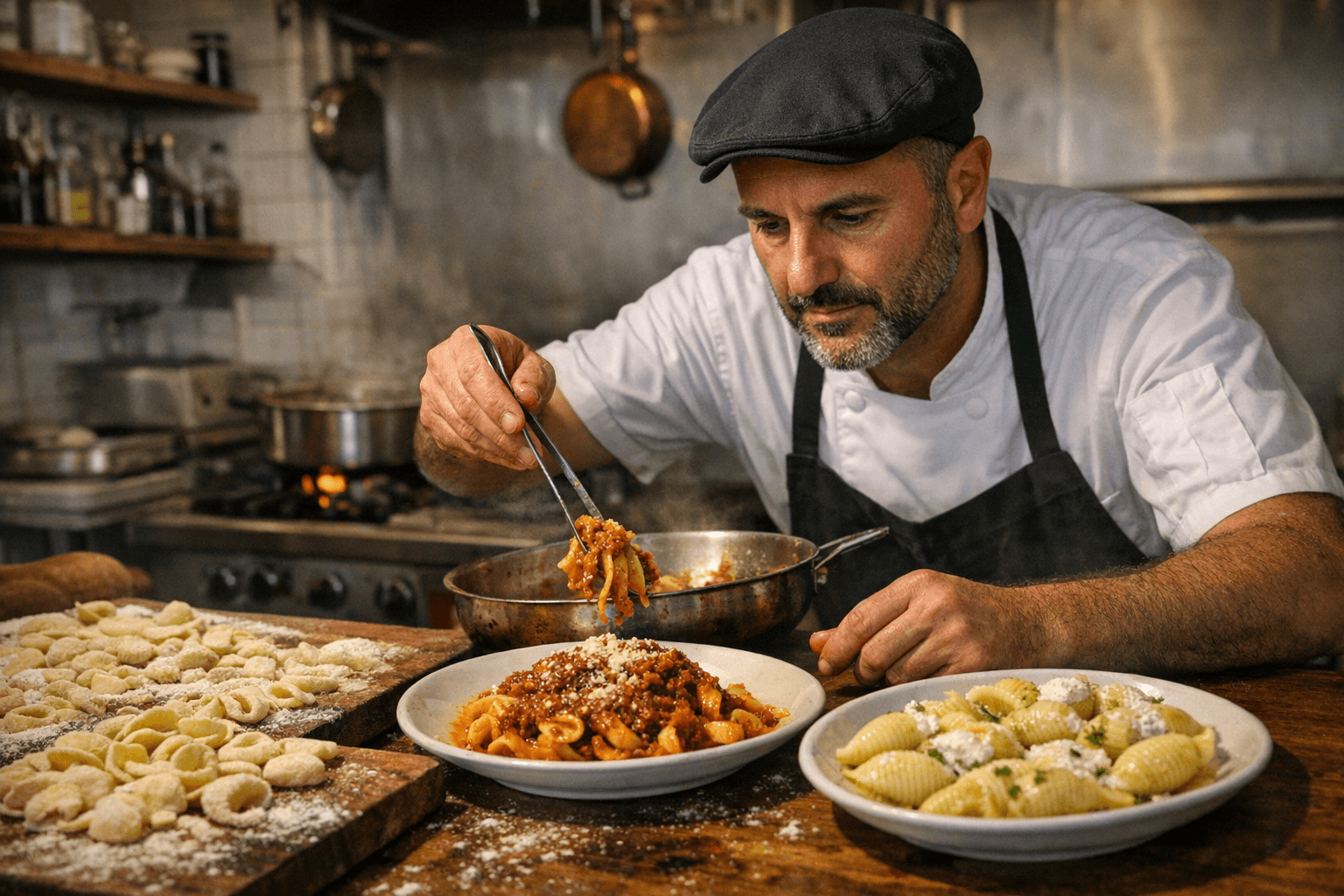
Match pasta shapes to sauces for better weeknight meals
Match pasta shape to sauce for better texture and flavor. Practical tips and mini projects help you practice pairing and cooking techniques.
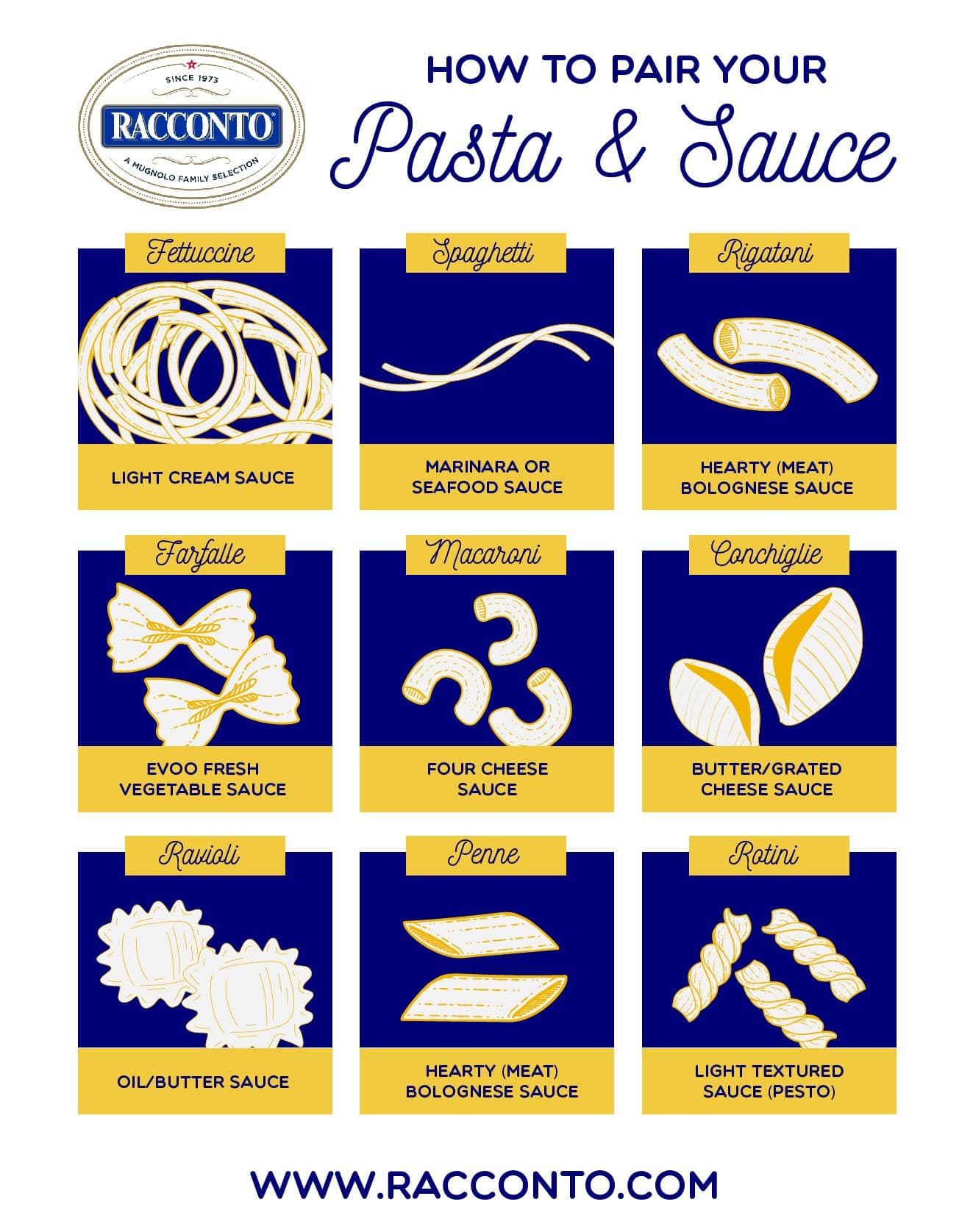
Choosing the right pasta shape is one of the quickest upgrades you can make in the kitchen. Match shape to sauce and you’ll notice better sauce cling, improved mouthfeel, and fewer soggy or under-sauced bites. This compact primer gives the rules of thumb, why they matter, and simple projects to practice.
Start with the basic rule: broad, flat noodles such as pappardelle and fettuccine pair best with rich, slow-cooked ragùs and cream sauces because their wide surface carries thick sauces. Long thin strands like spaghetti and angel hair suit light tomato sauces, aglio e olio, and seafood where the sauce is delicate and should coat rather than bury the pasta. Short tubes and ridged shapes such as penne rigate and rigatoni trap chunks of vegetable or meat and stand up well to baked dishes. Hollow or curvy shapes like fusilli and cavatappi catch thicker cream or pesto-based sauces in their grooves.
Texture matters as much as shape. Bronze-cut or rough-surfaced pasta gives sauce something to grab, while smooth extruded pasta yields a silkier mouthfeel. Fresh egg pasta cooks faster, typically 1 to 3 minutes depending on thickness, and tastes richer; dried semolina pasta keeps its bite and resists overcooking, so it’s better for heartier ragùs or oven-baked preparations. Think also about sauce volume: light sauces need thin ribbons so a forkful isn’t overwhelmed, while chunky ragùs benefit from cavities and ridges that hold chunks and create balanced bites.
Practical technique knocks down the guesswork. Salt pasta water well so it tastes like the sea; that seasons the pasta from the inside out. Reserve a cup of pasta cooking water to use as an emulsifier and binder; the starch helps sauces cling. Finish cooking pasta in the pan with the sauce for 1 to 2 minutes so the flavors meld and the pasta reaches true al dente. When you make fresh pasta, test early and adjust cook time, fresh sheeted tagliatelle often needs only a minute or two.
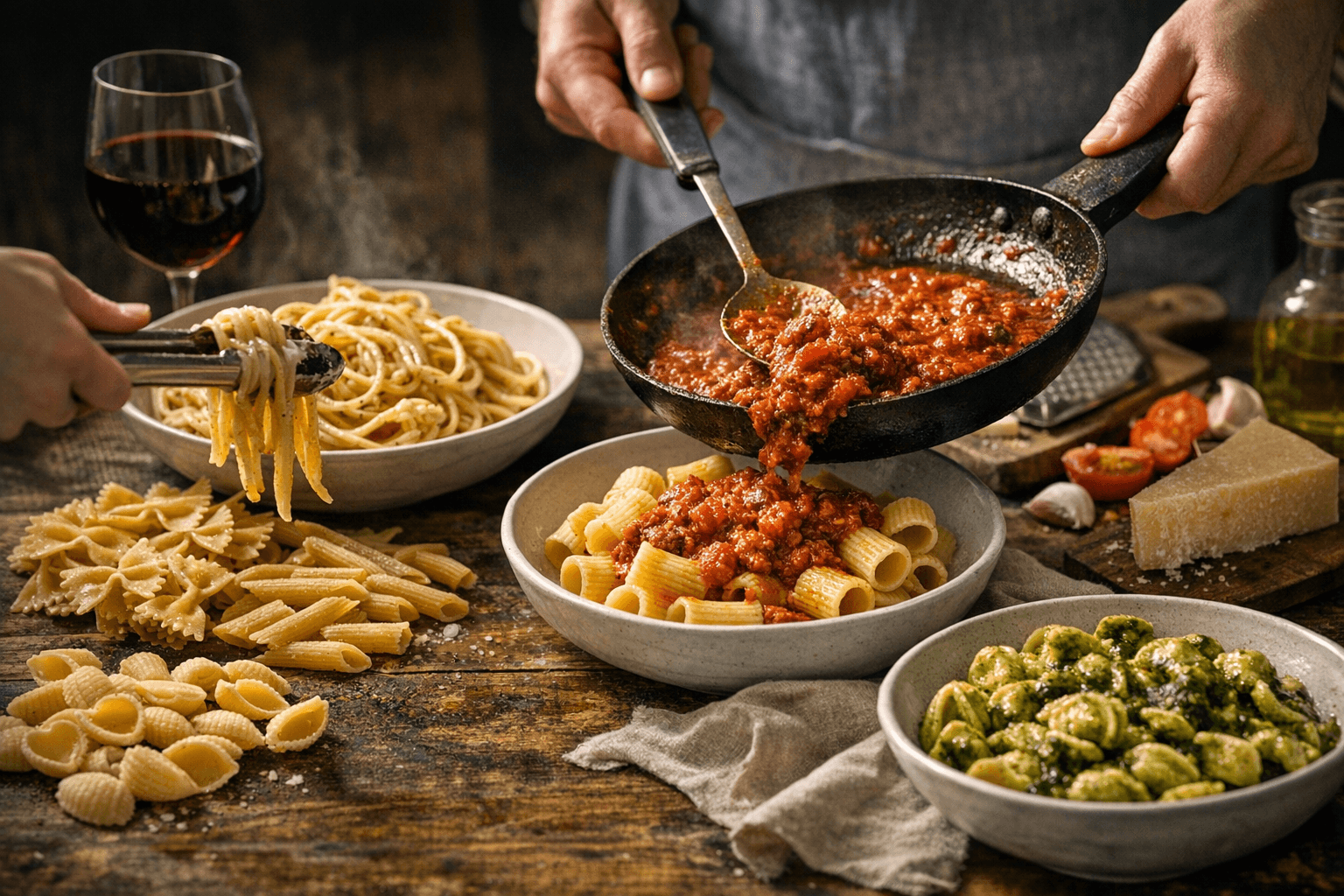
A short cheatsheet helps with quick pairing: cacio e pepe works best with spaghetti or tonnarelli; pesto Genovese sings with trenette, trofie, or short twisty shapes; Bolognese and ragù favor tagliatelle, pappardelle, or wide egg pastas; arrabbiata and marinara suit penne rigate or ziti; cheese-baked pastas shine with rigatoni, ziti, or paccheri.
Try hands-on mini projects to notice differences: make fresh tagliatelle with a quick mushroom cream sauce; cook penne with a slow pork ragù; and compare bronze-cut versus smooth pasta to feel how sauce adhesion changes. Small experiments teach faster than theory and turn good dinners into reliably great ones.
The takeaway? Match shape, texture, and technique to the sauce and you’ll elevate everyday pasta. Our two cents? Start with one shape-sauce pairing this week, keep the pasta water handy, and treat finishing in the sauce as non-negotiable.
Know something we missed? Have a correction or additional information?
Submit a Tip