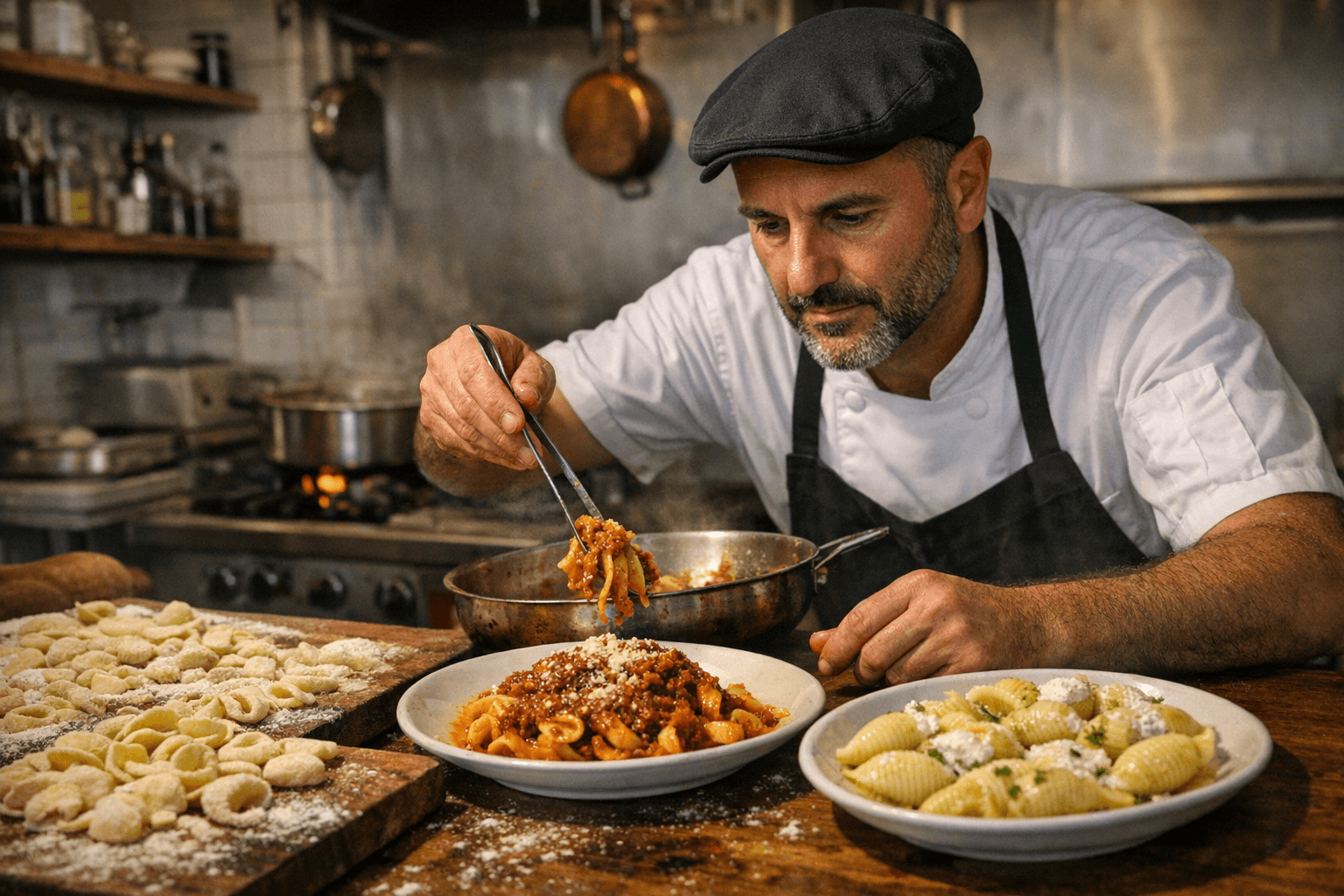
Match pasta shapes to sauces: thin strands, ribbons, and tubes
Match pasta shapes to sauces so your sugo clings, textures balance and every bite tastes intentional.
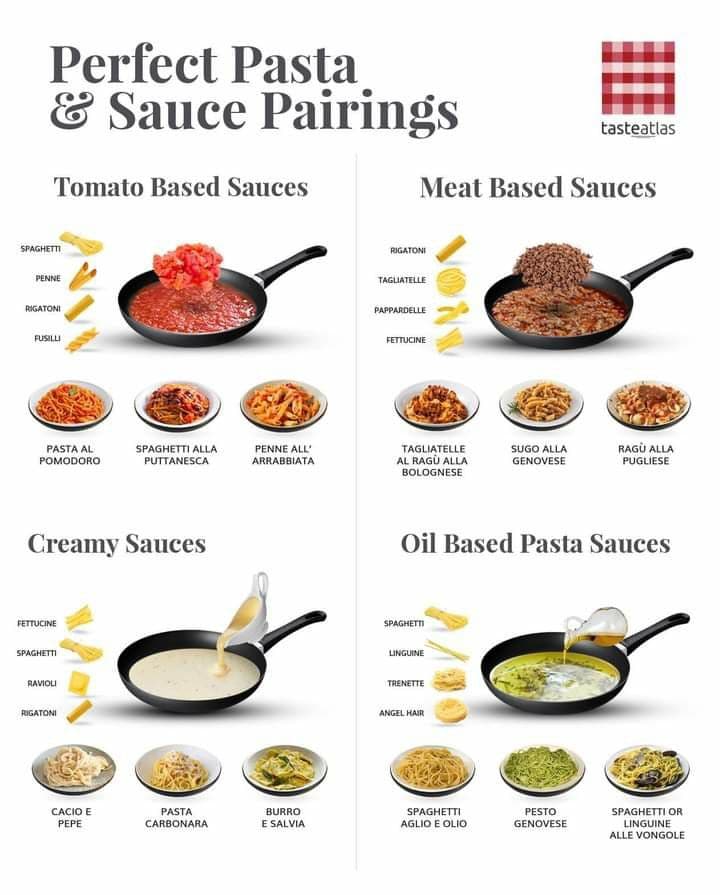
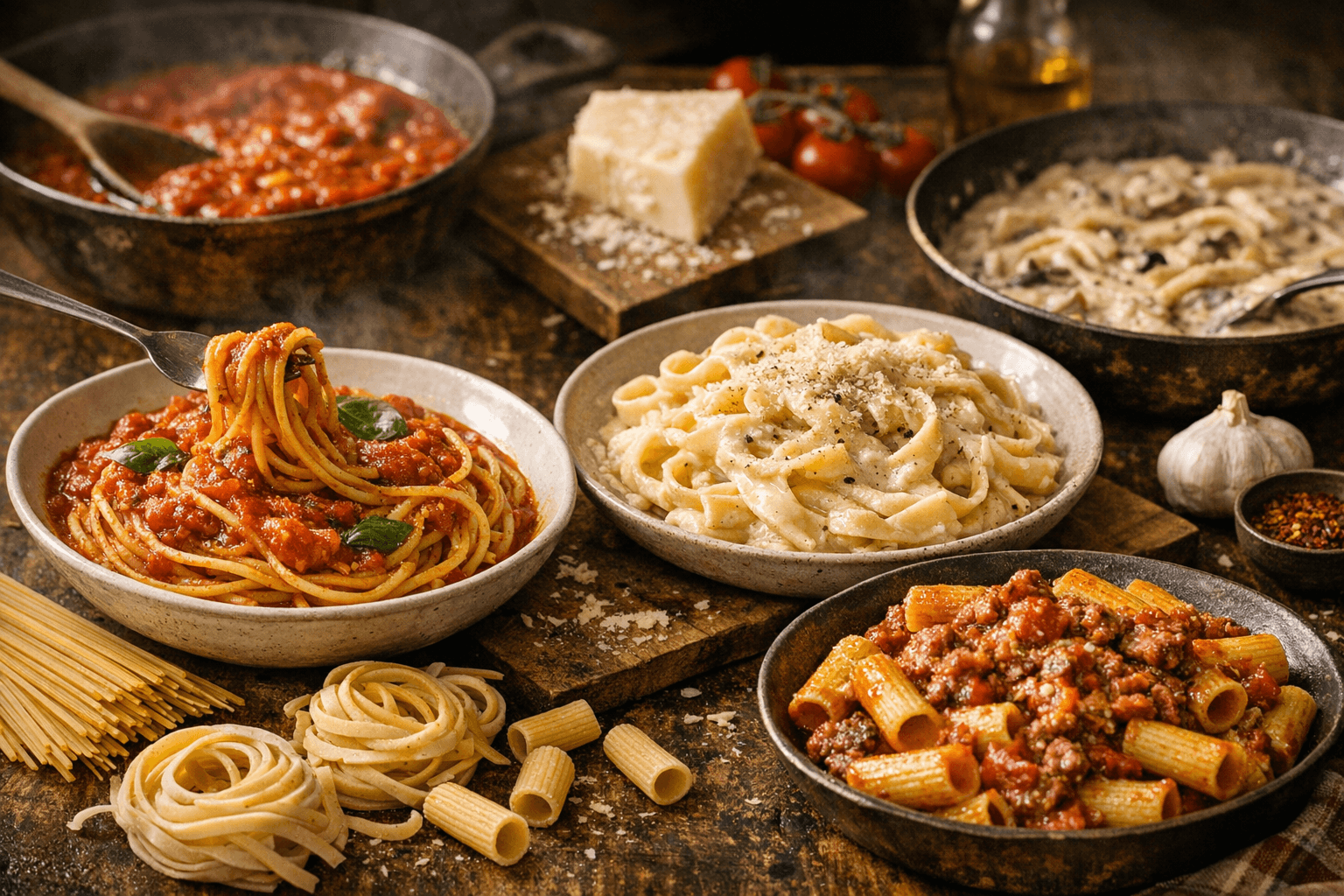
Pasta shape changes the game at the stove and the table. Experts from BBC Good Food, Eataly, Vincenzosplate, Trattoriailpanino and Bluristorante agree: thin strands suit light oil, cream or seafood sauces, wide ribbons carry meaty ragùs, and tubes and ridged shapes trap chunkier sauces or bake beautifully.
Start with the fundamentals. Long, thin strands such as spaghetti, linguine, capellini and vermicelli work best with delicate sauces. Examples include linguine with clams, capellini with lemon butter and aglio e olio. BBC Good Food points out that skinny shapes "suit light, cream or oil-based sauces," while Vincenzosplate notes long pasta "pair beautifully with tomato-based sauces like marinara or olive oil-based classics like aglio e olio."
Wide ribbon pastas like tagliatelle, pappardelle and fettuccine are built for weight. Trattoriailpanino says "big, bold sauces, such as Bolognese or Ragù, need pasta that can handle the weight," and Eataly highlights ragù alla bolognese and porcini mushroom sauces as ideal matches for thicker ribbons.
Tubular shapes capture sauce inside as well as outside. Eataly puts it plainly: "With its hollow centers, tubular pasta is perfect for capturing a variety of ingredients. Pair larger tubes with bigger, chunkier sauces and smaller tubes with finely diced items. Tubular pasta is also great for stuffing and baking." Think penne all'arrabbiata, paccheri con sugo di mare, paccheri al forno and ziti alla norma. Vincenzosplate adds that cannelloni and manicotti are "made for baking, and they're showstoppers" when stuffed with ricotta and spinach or hearty meat and smothered in tomato sauce or béchamel.
Twists and corkscrews such as fusilli, trofie and caserecce excel at holding sauces with small bits. Eataly explains that "the tiny nooks and crannies of twisted pasta shapes are ideal for capturing sauces with small bits of finely chopped ingredients, such as pesto or crumbled sausage." Ridged tubes like rigatoni and penne rigate catch meat and vegetables and are recommended by Trattoriailpanino for chunky ragùs; Bluristorante echoes that tomato-based sauces "pair best with medium or short pasta shapes that can hold the sauce well."
Small shapes belong in bowls. Orzo, ditalini and fregola are spoon-friendly and "work best in soups" such as minestrone or Italian wedding soup. Filled pastas deserve restraint: BBC Good Food advises serving ravioli, tortellini and cappelletti with light butter or oil sauces so the filling remains the star.
Technique matters as much as shape. Follow BBC Good Food's top cooking tips: "Don’t cook the pasta all the way through in the water. Instead, drain it when it still has a little bite, then add to the sauce and continue cooking for a few minutes more until the pasta is cooked and has absorbed a little of the sauce." Also save pasta water: "When draining the pasta, make sure you save a cup of the pasta water. Then, when you add the pasta to the sauce, splash in a little of the water if it looks too dry. The starch in the water will help the sauce cling to the pasta."
Practical takeaway for home cooks: match sauce chunk size to pasta crevices, let filled pasta breathe under lighter dressings, and pick ridges or hollows when you want sauce to hang on. Vincenzosplate warns that bucatini is special-case pasta: "Bucatini is also a brilliant choice for cacio e pepe... However, bucatini isn’t as flexible as some other shapes. Creamy or chunky sauces tend to overpower its thicker texture and shape."
What this means for readers is immediate: small adjustments to shape and finish-in-sauce technique deliver a better bite. Experiment with one new pairing this week and consider the texture, not just the flavor, when you choose your pasta. BBC Good Food invites you to join the conversation: "What are your top pasta tips? Share your thoughts with us below...
Know something we missed? Have a correction or additional information?
Submit a Tip