May 10 marks Nazi invasion, Mandela inauguration, One World Trade Center milestone
May 10 ties a Nazi blitz, Mandela’s oath in Pretoria and a 1,776-foot New York tower into one date that keeps reshaping memory.
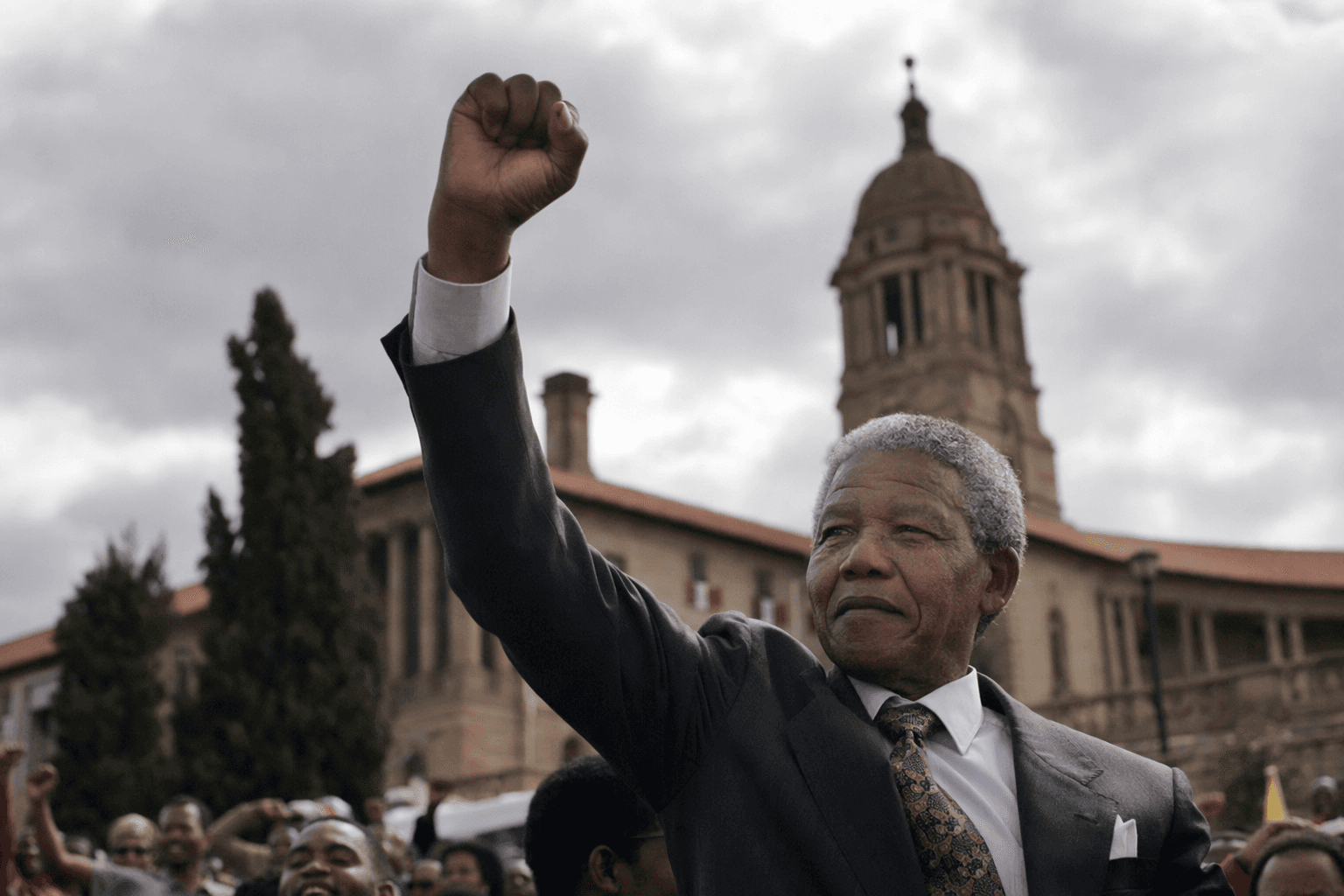
May 10 carries three milestones that still echo in public life: the Nazi invasion of Belgium, Luxembourg and the Netherlands in 1940, Nelson Mandela’s inauguration as South Africa’s first Black president in 1994, and the installation of the spire on One World Trade Center in 2013, lifting the Manhattan tower to its symbolic height of 1,776 feet.
The 1940 offensive remains a defining lesson in modern warfare. Nazi Germany sent 89 army divisions through the neutral Low Countries to bypass France’s Maginot Line, forcing a rapid shift in the Western Front and widening the war beyond Poland into Belgium, Luxembourg, the Netherlands and France. The move underscored how quickly military planning can upend borders and how a single maneuver can change the strategic map of Europe.
If the invasion is remembered for destruction, Mandela’s inauguration is remembered for the opposite: the first democratic transfer of power in South Africa’s modern era. Mandela, 77, took the oath in Pretoria after South Africa’s first multiracial elections on April 27, 1994. F W de Klerk became his first deputy, and the ceremony drew politicians and dignitaries from more than 140 countries. The moment marked the end of more than three centuries of white rule and turned the African National Congress into the governing force of a new democracy.
The date also reaches into the American skyline. When the spire was installed on One World Trade Center on May 10, 2013, the tower reached 1,776 feet, a deliberate reference to the year of U.S. independence. The height gave lower Manhattan a physical marker of recovery after the attacks of Sept. 11, 2001, and linked the rebuilding of the site to the country’s founding date.
Other May 10 entries show how often the calendar folds national identity into a single day. The transcontinental railroad was completed in 1869, binding the country coast to coast. In 1893, the U.S. Supreme Court ruled in Nix v. Hedden that tomatoes counted as vegetables for tariff purposes. And in 1872, Victoria Woodhull became the first woman nominated as a candidate for U.S. president, a reminder that political change often begins long before it wins power.
This article was produced by Prism’s automated news system from verified source data, official records, and press releases, then run through automated quality and moderation checks before publishing. The system is built and supervised by the people who set the standards it runs under. Read our full AI policy.
Know something we missed? Have a correction or additional information?
Submit a Tip