May Day protests target billionaires, with nationwide economic blackout planned
Workers across all 50 states joined a May Day blackout aimed at billionaires, with organizers saying up to 3,000 events pressed wages, unions and immigration policy.
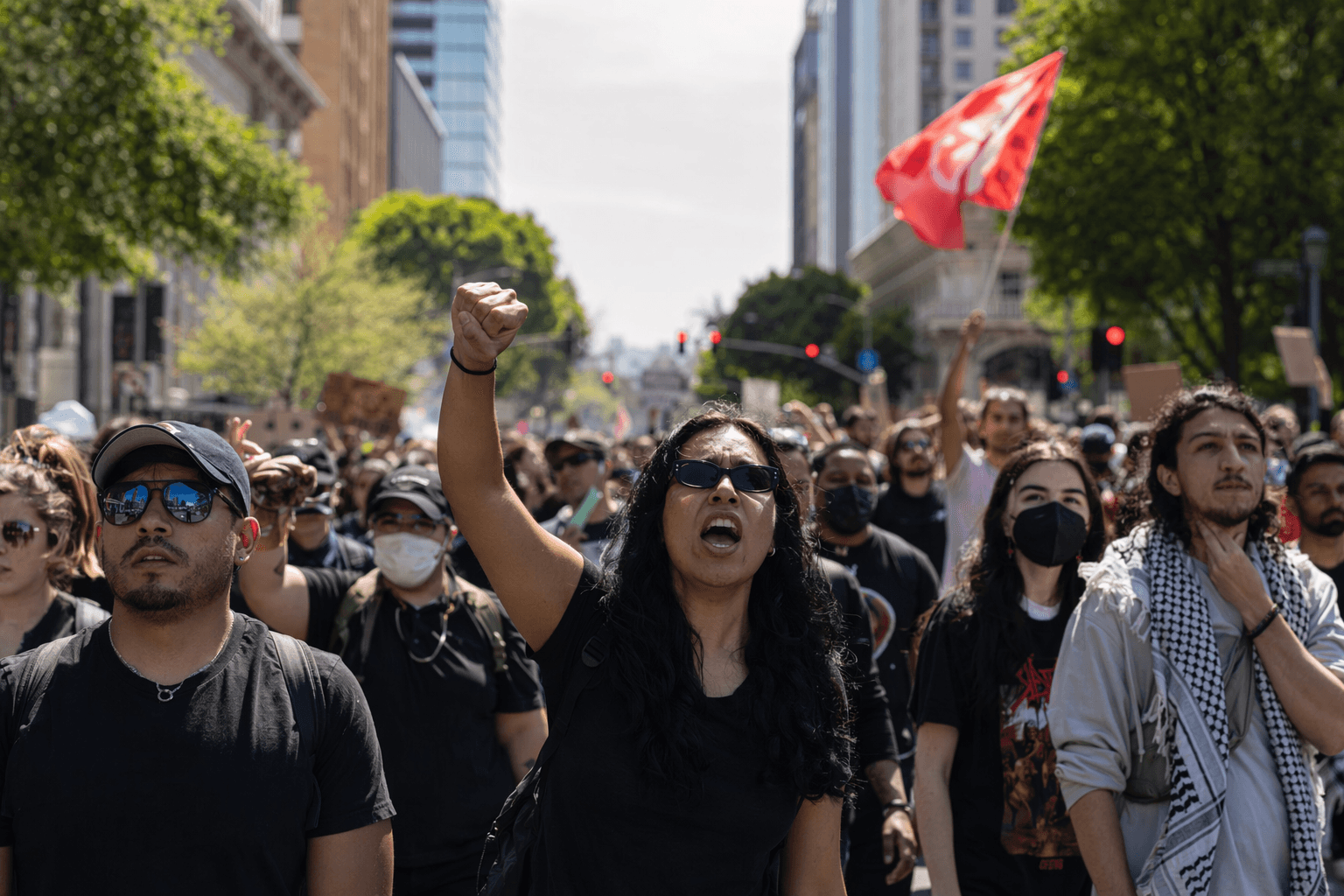
From school districts to city streets, May Day protesters framed this year’s actions as a direct challenge to billionaire power. The May Day Strong coalition cast the May 1 mobilization as a nationwide day of action built around “Workers Over Billionaires,” and organizers urged people to skip work, school and shopping in an economic blackout.
The coalition said about 500 labor and community organizations anchored the effort, with as many as 3,000 events planned in all 50 states. Organizers said the campaign built on more than 1,300 May Day actions last year, after a 2025 push that helped anchor more than a thousand events nationwide. The scale underscored how May Day has become less a single march than a networked show of worker power.
The politics behind the protests reached beyond wages alone. Organizers framed the 2026 demands around higher taxes on the wealthy, stronger labor protections, expanded democracy and opposition to immigration enforcement. In some messaging, the coalition also called for an end to war spending and the expansion of immigration enforcement, signaling a broader working-class agenda that tied labor rights to housing, public services and civil liberties.
The holiday’s roots gave the movement historical weight. In the United States, May Day traces to the 19th-century fight for an eight-hour workday, and Chicago’s tradition is linked to the 1886 Haymarket affair. That history was especially visible in Chicago, where Chicago Public Schools designated May Day a “civic day of action” and planned instructional time and field trips around the rally.

The protests also reflected a wider anti-Trump and labor mobilization that has accelerated in recent months. Organizers tied the May Day actions to the large “No Kings” demonstrations earlier this year, which they said drew millions nationwide. In Connecticut, marchers also pressed for a state budget prioritizing housing, healthcare, public education, climate justice and fair union contracts, a reminder that the movement’s message has been landing in different forms from city to city.
Taken together, the May Day actions showed a labor politics trying to widen its reach. The message was not only about paychecks, but about who gets protected, who gets taxed and who gets heard when working people try to set the terms of the economy.
This article was produced by Prism’s automated news system from verified source data, official records, and press releases, then run through automated quality and moderation checks before publishing. The system is built and supervised by the people who set the standards it runs under. Read our full AI policy.
Did this article answer your question?