May’s blue micromoon will be the year’s farthest, dimmest full moon
The Moon closed May as the year’s farthest, smallest and dimmest full moon, but the “blue” label was about timing, not color.
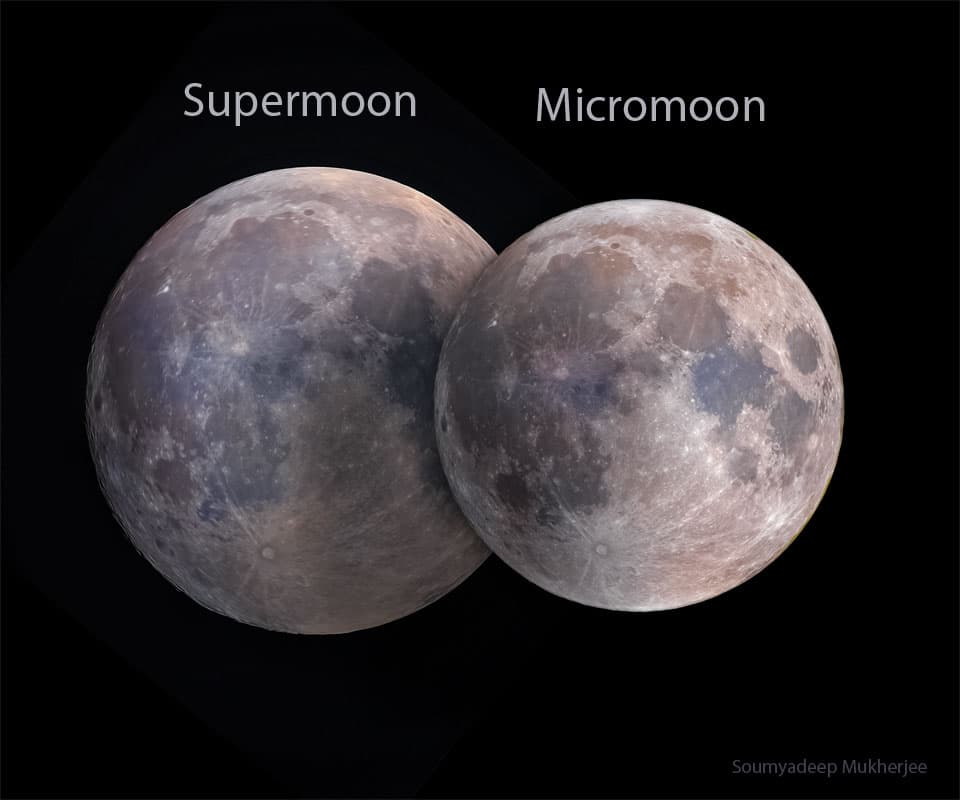
The Moon ended May as a rare blue micromoon, but it did not look blue at all. NASA said the spectacle was the second full moon in the same calendar month, a monthly blue moon that also happened to arrive near apogee, the point in the Moon’s elliptical orbit when it sits farthest from Earth.
That timing made the full moon appear slightly smaller and dimmer than usual. NASA’s 2026 skywatching guide said the late-May event gave the year 13 full moons instead of the usual 12, while NASA APOD described the May 30 micromoon as the farthest, smallest and dimmest Moon of 2026.

The blue moon label has two meanings, and both are rooted in calendars rather than color. NASA defines a monthly blue moon as the second full moon in a single calendar month. timeanddate.com uses that same definition but also notes a seasonal blue moon, the third full moon in an astronomical season that contains four full moons. In either case, the term describes the count of full moons, not a change in appearance.
The micromoon part came from geometry. Because the Moon’s orbit is elliptical, its distance from Earth shifts through the month, and a full moon that lands near apogee looks a bit smaller than one that happens closer to perigee. NASA said this one occurred within a short time of apogee, which is why it ranked as the year’s faintest full moon as well as its farthest.
For skywatchers, the practical takeaway was simple: the best view came under clear skies, with no special equipment required. In places such as Metro Detroit, where clear weather helped viewing, the Moon stood out even if the “blue” part was only a name. CBS News said a blue micromoon like this will not return until late 2028, giving May’s version a long shelf life in the skywatching calendar.
This article was produced by Prism’s automated news system from verified source data, official records, and press releases, then run through automated quality and moderation checks before publishing. The system is built and supervised by the people who set the standards it runs under. Read our full AI policy.
Did this article answer your question?