McDonald’s Franchisee Groups Propose 15-Point Bill of Rights Preserving Owner Autonomy
McDonald's franchisee groups have prepared a 15-point Franchisee Bill of Rights to protect owner autonomy, including local control over menu pricing, with implications for store operations and workers.
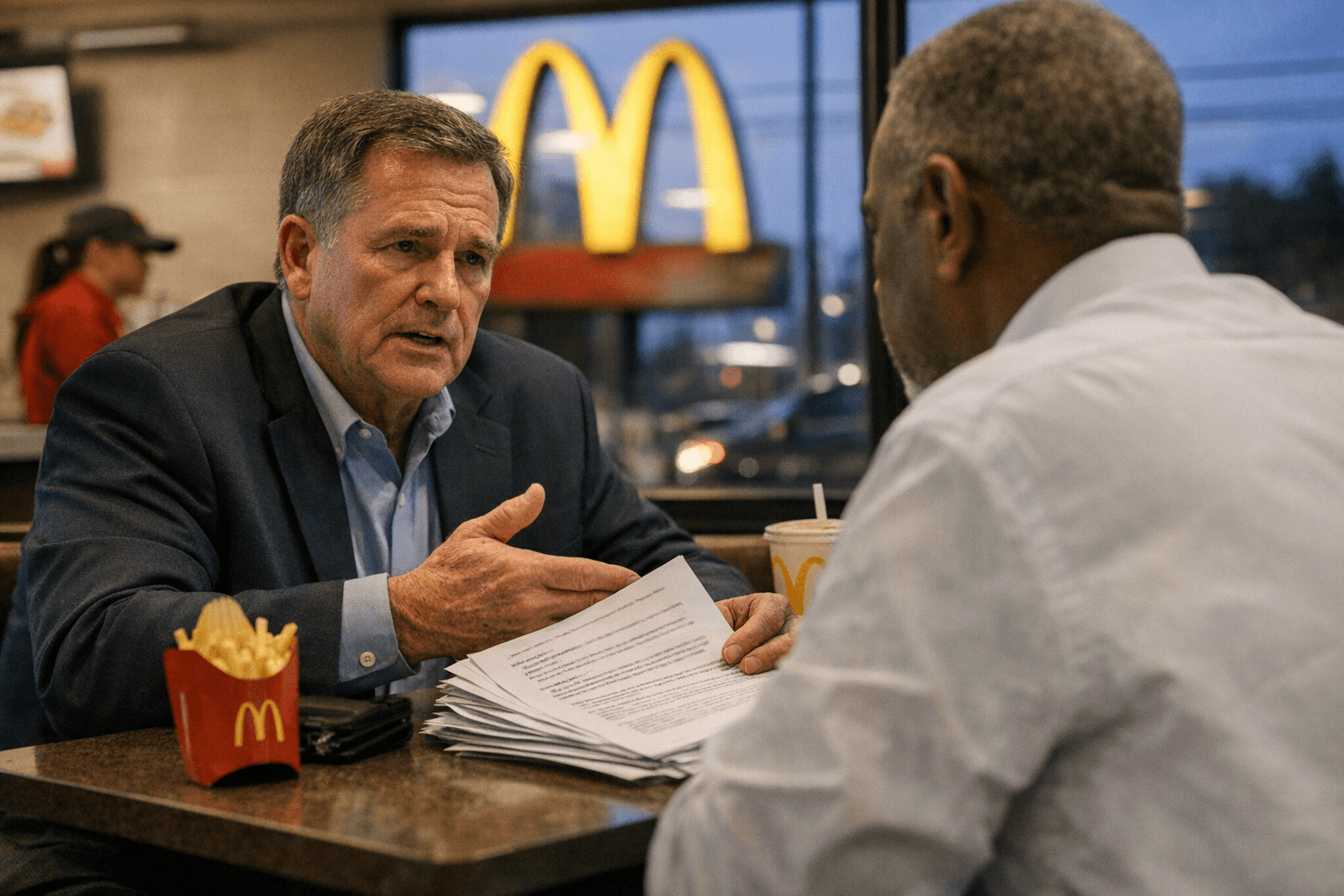
Independent franchisee groups, including the National Owners Association, have prepared a 15-point Franchisee Bill of Rights that seeks to preserve owner autonomy and clarify the obligations between franchisor and franchisee. Central to the proposal is the right for local owners to set menu pricing, a move that pushes operational control back toward individual restaurants.
The document emphasizes preserving decision-making authority at the owner level and aims to draw clearer lines about responsibilities and limits on corporate mandates. Franchisees framed the initiative around autonomy, arguing that local market conditions should guide pricing and other on-the-ground decisions. The proposal arrives amid ongoing debates in franchised restaurant systems about how much control should rest with corporate headquarters versus individual operators.
For employees and hourly workers, the issues in the bill could translate into meaningful workplace effects. Local pricing authority can affect store revenue, which in turn influences staffing levels, scheduling flexibility, hours worked, and managers' ability to fund training or overtime. When owners can set prices that better match local demand and costs, they may avoid cutting labor hours to preserve margins. Conversely, uneven pricing across markets could complicate district-level staffing models and regional wage strategies.
The proposals also aim to clarify franchisor and franchisee obligations, which has implications for who pays for technology platforms, equipment upgrades, food-safety compliance and other operational costs. Responsibility for those costs affects franchisee cash flow and their capacity to maintain payroll and invest in employee-facing improvements. Greater clarity could reduce disputes that distract managers and general managers from day-to-day operations and workforce management.
The National Owners Association and other independent owners are positioning the bill as a framework for future negotiations with McDonald's corporate leadership. How McDonald's responds will determine whether the Franchisee Bill of Rights becomes a negotiated set of operating principles, influences franchise agreements, or remains a statement of priorities by owner groups. Any shift in the balance of control could also influence franchise recruitment, store investment decisions, and regional labor practices.
For workers and managers at local McDonald's restaurants, the stakes are practical: who sets prices, who funds upgrades, and who ultimately makes tradeoffs between labor and other costs. Monitor communications from your local owner and corporate announcements to see whether the proposal leads to new agreements or operational changes in your market. The next steps will shape bargaining dynamics between owners and corporate leadership and could have downstream effects on scheduling, staffing and store-level investment.
Know something we missed? Have a correction or additional information?
Submit a Tip