McDonald’s outlines restaurant-level inclusion practices to boost retention
McDonald’s shared operational guidance showing how restaurants adapt training and work practices to include employees with diverse abilities, aiming to improve retention and career paths.
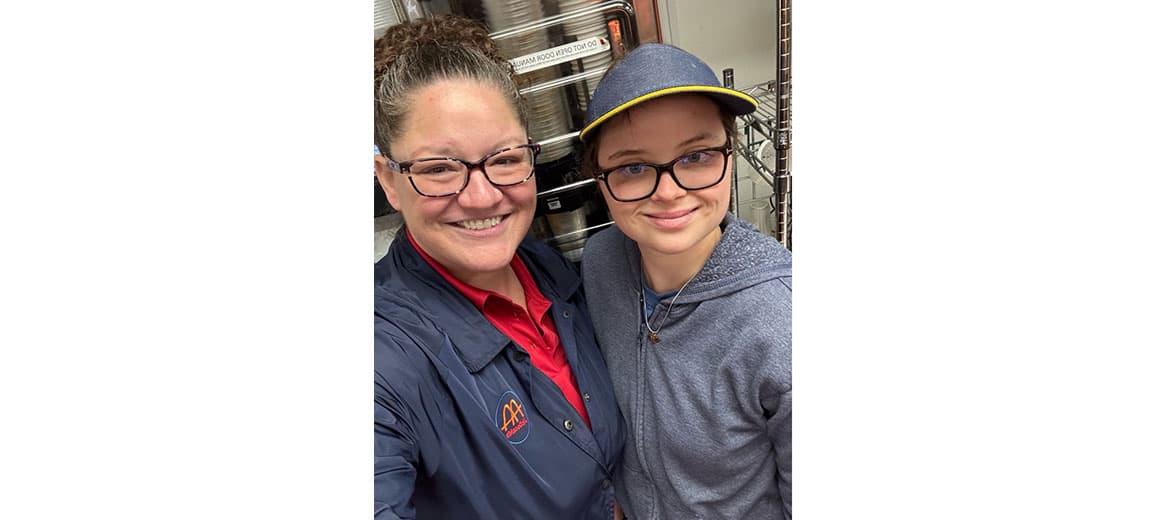
McDonald’s rolled out a company-side account of how restaurants are putting inclusion into practice, detailing training methods, schedule flexibility and on-the-ground accommodations managers use to help crew members succeed. The communication highlights long-time operators and store managers who described tailored coaching, a modular Crew Academy learning approach, and practical changes that make day-to-day tasks more accessible.
At the center of the guidance is an emphasis on adapting how people learn and how work is scheduled. Restaurants are using step-by-step training frameworks such as "See It, Try It, Check It" to break tasks into observable demonstrations, hands-on practice and verification. Managers described shortening task sequences, offering repeated practice, and pairing crew with mentors so employees with different learning needs can build confidence and accumulate responsibilities at a steady pace.
The company message also focuses on operational adjustments beyond training. Examples cited include more flexible scheduling to accommodate medical or transportation needs, clearer and redundant communication practices for shift handoffs, and small physical accommodations that reduce barriers at the line and front counter. The piece underscores that these are not one-off efforts but manager-level practices integrated into daily operations so crew can perform, stick around and advance.
Because McDonald’s restaurants operate under a mix of franchise and company ownership, the guidance is framed as practical tools for operators and managers to adopt locally. The communication presents inclusion as linked to retention and career progression, suggesting that when store leaders tailor training and make modest workplace changes, crews with diverse abilities have clearer paths to higher-skilled shifts and supervisory roles.
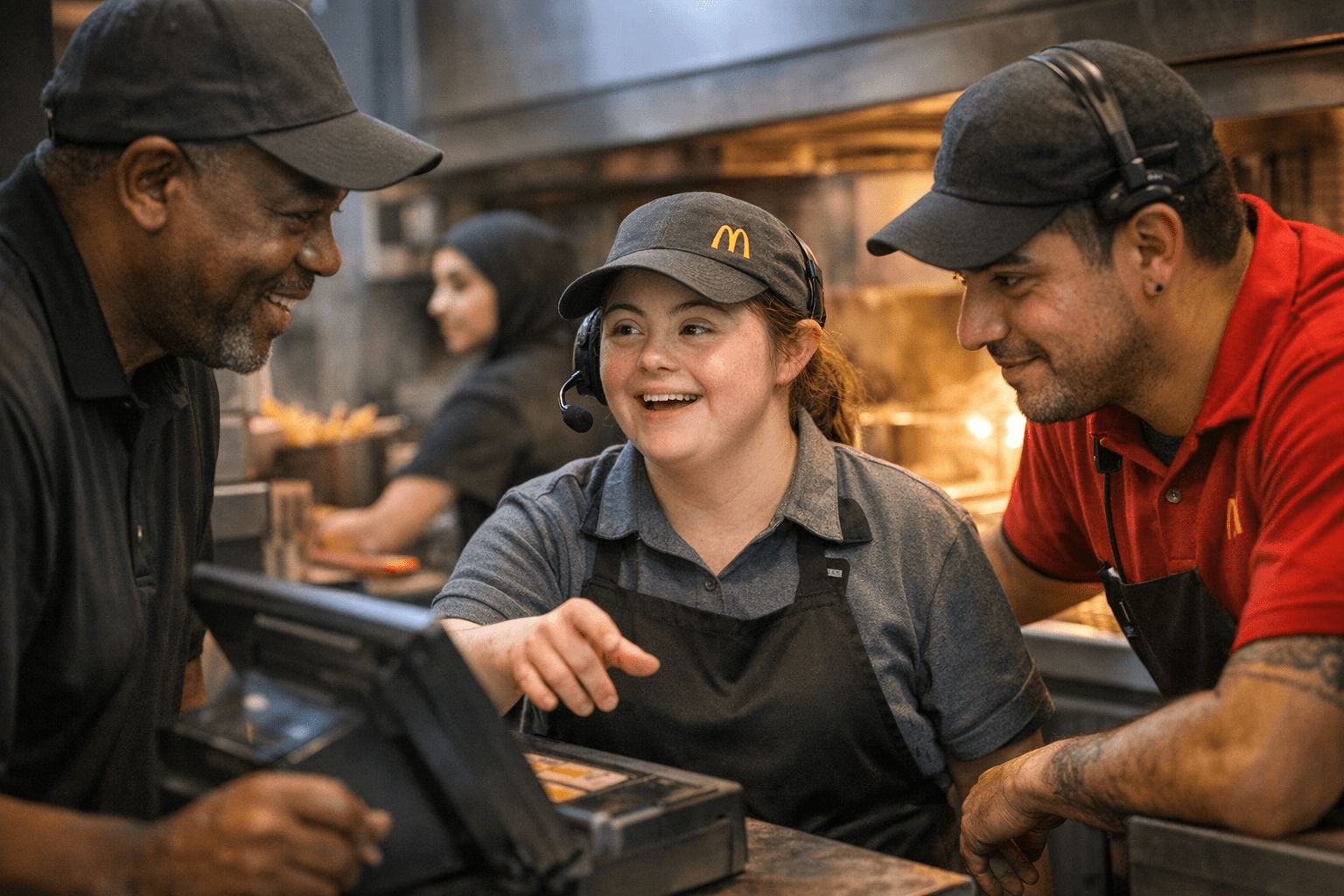
For workers, the potential upside is tangible: more accessible onboarding, clearer signals about what success looks like, and scheduling practices that respect nonstandard needs. For managers and operators, the roadmap offers tactics to reduce turnover and expand the internal talent pipeline by recognizing different learning styles and removing simple barriers to performance. The success of the approach will depend on consistent adoption at the store level and on whether franchisees prioritize the operational changes.
This company-side outline signals a push to normalize inclusion as part of everyday restaurant management rather than a separate program. If operators scale these adjustments, crew members who need alternative training or supports may find steadier work and clearer advancement routes; managers will have to translate the guidance into measurable practices and follow-through at the store level.
Sources:
Know something we missed? Have a correction or additional information?
Submit a Tip