Mchose Ace 68 Turbo: Hall-effect switches, 16 kHz novelty, latency-focused appeal
Mchose’s Ace 68 Turbo arrived with Hall-effect Mount Tai GT HE switches and a claimed 16 kHz polling mode enabled by a 512 MHz dual-core microcontroller, offering a latency-first novelty with strong typing feel.
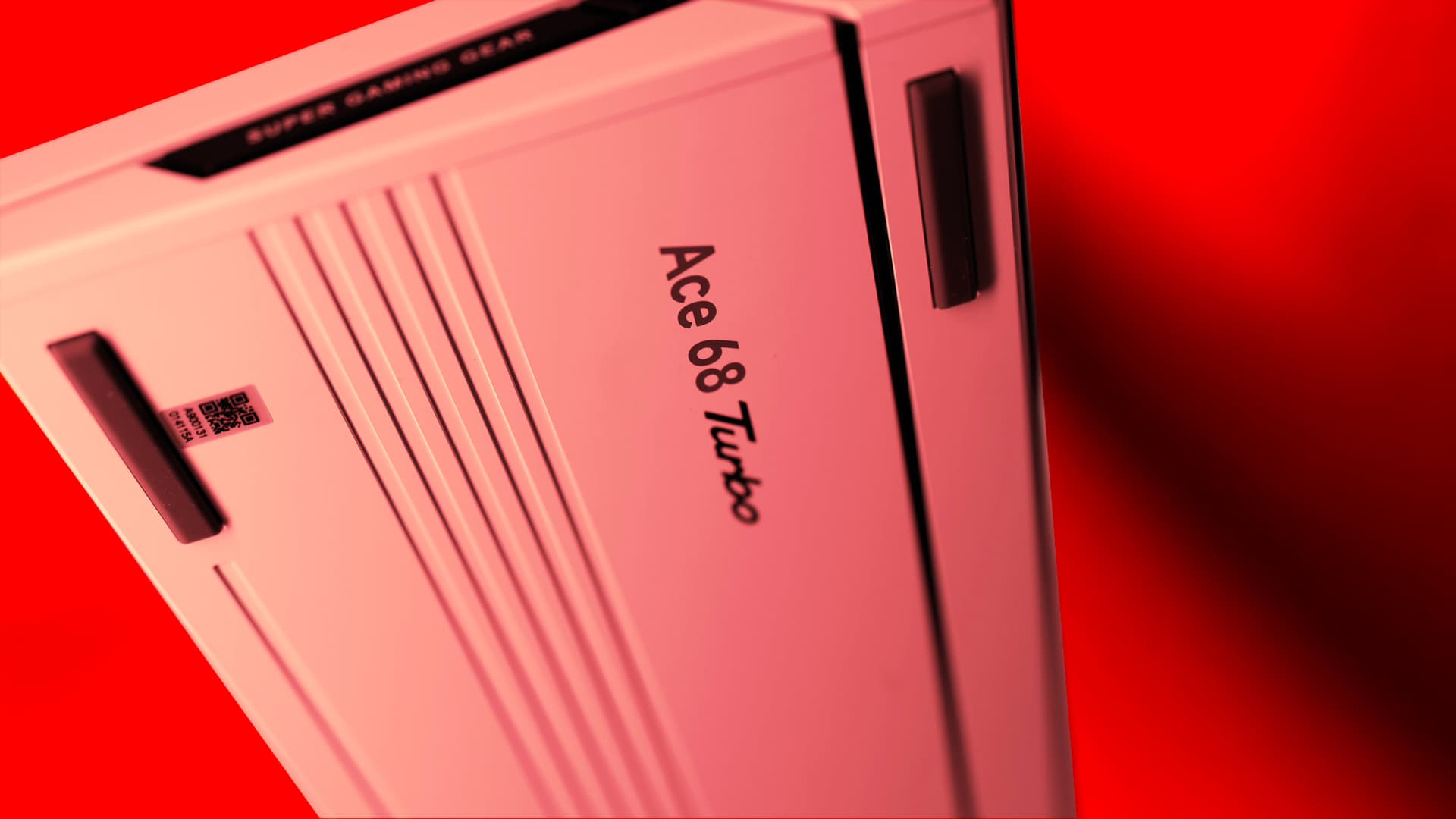
The Ace 68 Turbo landed this month as a compact 68-key board built around Hall-effect magnetic switches and a hefty aluminium chassis. At the heart of the pitch is a 512 MHz dual-core microcontroller that Mchose uses to enable an optional 16 kHz polling mode. Out of the box the keyboard runs at 8 kHz and ships wired with a detachable USB-C cable; the 16 kHz mode is unlocked through the supplied software and a firmware update.
On the desk the Mount Tai GT HE switches impressed with a smooth, weighty, well-damped typing experience that leans more toward refined tactility than clicky distraction. Hall-effect switches use magnetism instead of mechanical contact, which typically means long life and consistent feel over time, a selling point for anyone tracking durability along with performance. The board’s solid aluminium top plate and overall weight give it a premium, planted feel, though that same heft reduces portability for LAN or travel use.
The real headline is the ultra-high polling rate. Technically the 16 kHz figure is an interesting engineering achievement and a bragging-rights metric for latency-focused consumers. In practice the difference between 8 kHz and 16 kHz proved marginal for typical gameplay; most players will not notice a meaningful improvement in responsiveness. That limits the practical audience for the Turbo to competitive players and latency obsessives who value every microsecond, modders experimenting with input stacks, or streamers wanting the fastest-possible spec on camera.
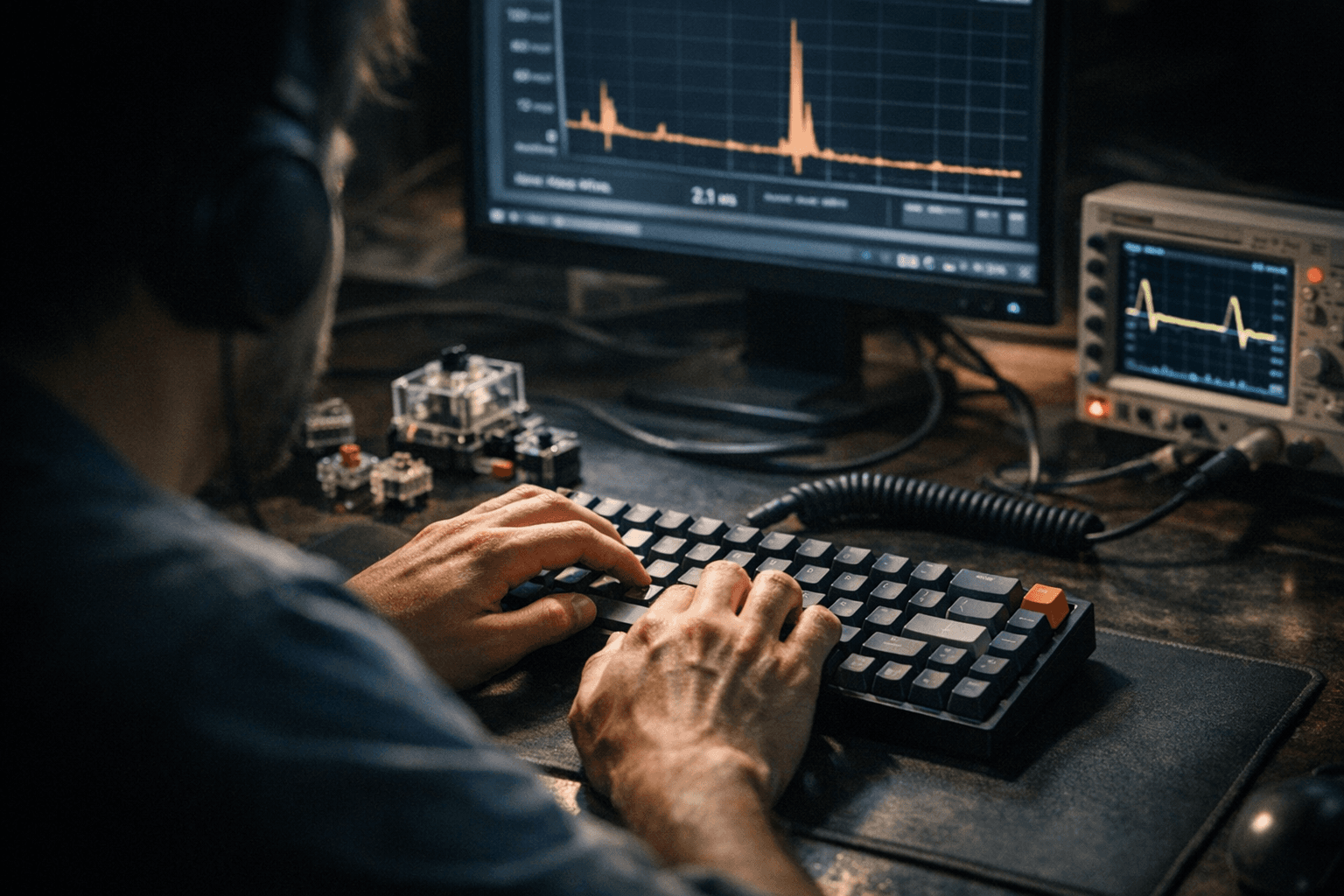
Practical considerations matter. The keyboard defaults to 8 kHz so you must run the included software and perform a firmware update to enable 16 kHz. Some factory documentation and driver pages are in Chinese, which complicates setup for English speakers. Mchose supplies a detachable USB-C cable, but the review emphasized using the correct cable to avoid signal or polling issues. The tested price sat at $139, positioning the Ace 68 Turbo as an attractive value when factoring in its build and magnetic switches.
For the community this board is a neat convergence of two trends: renewed interest in Hall-effect hardware and a race toward ever-higher polling rates. The Turbo will appeal to those chasing lead-foot latency wins or collectors who want a unique switch experience without spending enthusiast keyboard premiums. For everyday typists and most gamers the headline 16 kHz will be more novelty than necessity; the true draw is the typing and sound profile paired with a competitive price. Expect more niche adopters first, and watch for firmware and software polish to determine whether the 16 kHz claim becomes practical beyond a benchmark line on spec sheets.
Sources:
Know something we missed? Have a correction or additional information?
Submit a Tip