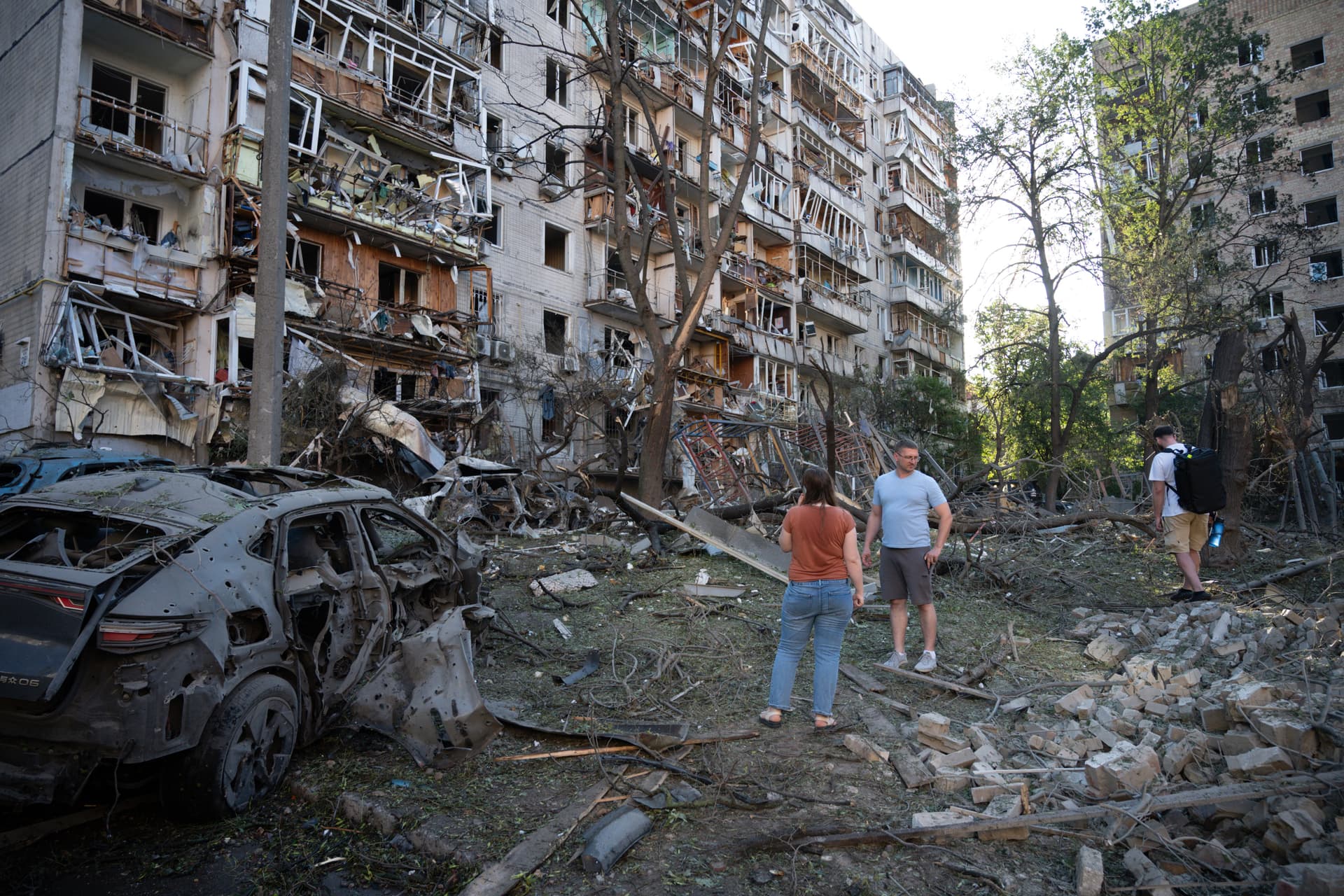
Mediators Push 45-Day Ceasefire as Iran and US Trade Escalating Threats
Pakistan's army chief spent the night mediating between Washington and Tehran as Trump extended his Tuesday deadline, with a 45-day ceasefire still hanging by a thread.
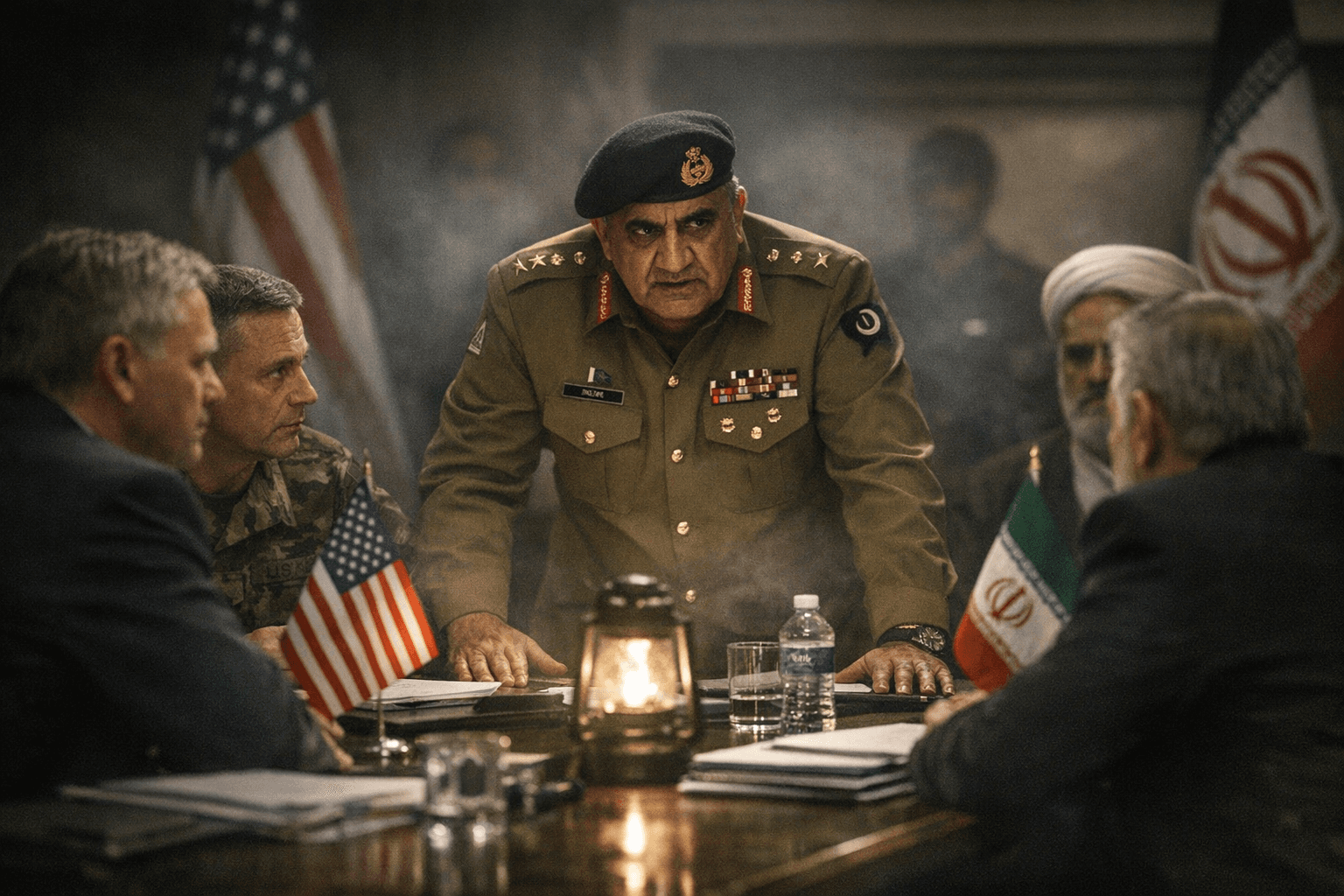
Pakistan's army chief, Field Marshal Asim Munir, spent Sunday night in back-to-back contact with U.S. Vice President JD Vance, White House special envoy Steve Witkoff, and Iranian Foreign Minister Abbas Araghchi, pressing a last-ditch proposal to freeze a six-week-old war before Trump's Tuesday evening deadline made the choice for both sides.
The proposal, assembled by Pakistan and tentatively called the "Islamabad Accord," calls for an immediate ceasefire and the reopening of the Strait of Hormuz, with 15 to 20 days to finalize a broader settlement. That framework dovetails with a wider two-phase effort backed by Pakistan, Egypt, and Turkey, under which a 45-day initial truce would create space for permanent war-termination talks, with the window extendable if negotiations require more time. Mediators believe only a final deal, not a partial arrangement, will fully reopen the strait or resolve questions about Iran's highly enriched uranium stockpile.
Four U.S., Israeli, and regional sources characterized the chances of reaching even a partial agreement within 48 hours as slim, and both sides continued to escalate publicly. Trump extended his original Monday deadline by 20 hours, posting a new cutoff of Tuesday at 8 p.m. ET on Truth Social. "Tuesday will be Power Plant Day, and Bridge Day, all wrapped up in one, in Iran," he wrote, threatening strikes on civilian infrastructure if the Strait of Hormuz remained closed.
Iran's response was equally defiant. The Islamic Revolutionary Guard Corps Naval Command posted on X that "the Strait of Hormuz will never return to its former state, especially for the US and Israel," and announced it was completing operational preparations for what it described as a "new Persian Gulf order." The IRGC has been selectively restricting passage through the strait since the war began on February 28, when U.S. and Israeli airstrikes killed Supreme Leader Ali Khamenei. The waterway, through which nearly one-fifth of global oil flowed before the conflict, is now effectively closed to vessels linked to Washington, Tel Aviv, and their allies.
Gold retreated as Trump's Tuesday threat firmed up, with markets absorbing the possibility that the diplomatic push could fail to outpace the escalation timetable. A source familiar with the Pakistani-mediated talks said "all elements need to be agreed today," describing the initial understanding as a memorandum of understanding to be finalized electronically through Islamabad, which has served as the sole formal communication channel between the two sides.
Mediators warned Iranian officials directly that the next 48 hours represented the last opportunity to prevent massive destruction and that IRGC retaliation against Gulf oil and water infrastructure would devastate the region. Iran's leadership publicly rejected any concessions. Witkoff and Araghchi exchanged messages directly alongside the multilateral channel, but no breakthrough was confirmed as of Monday morning.
With Trump's extended deadline now running to Tuesday evening, the 45-day ceasefire framework represented either the opening of the war's endgame or the final diplomatic interval before a significant escalation that mediators warned would be catastrophic for the entire Gulf.
This article was produced by Prism’s automated news system from verified source data, official records, and press releases, then run through automated quality and moderation checks before publishing. The system is built and supervised by the people who set the standards it runs under. Read our full AI policy.
Did this article answer your question?