Russia Expected to Use Spring Vegetation as Cover Against Ukrainian Drone Attacks
Spring foliage gives Russian infantry a reliable seasonal shield from Ukraine's Mavic quadcopters, and a frontline drone operator is urging urgent countermeasures.
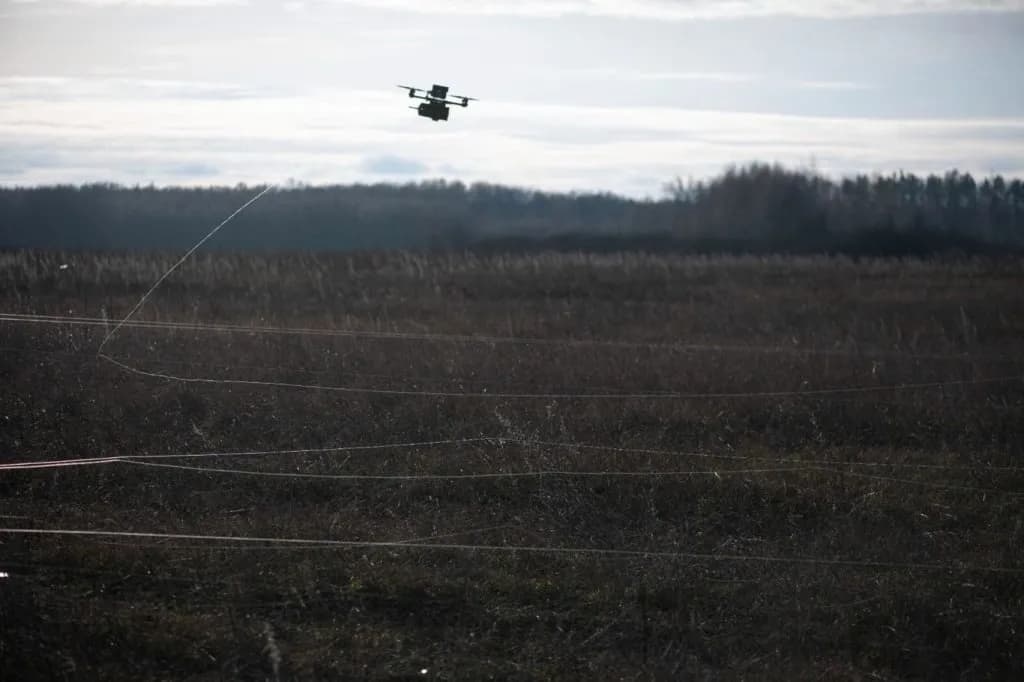
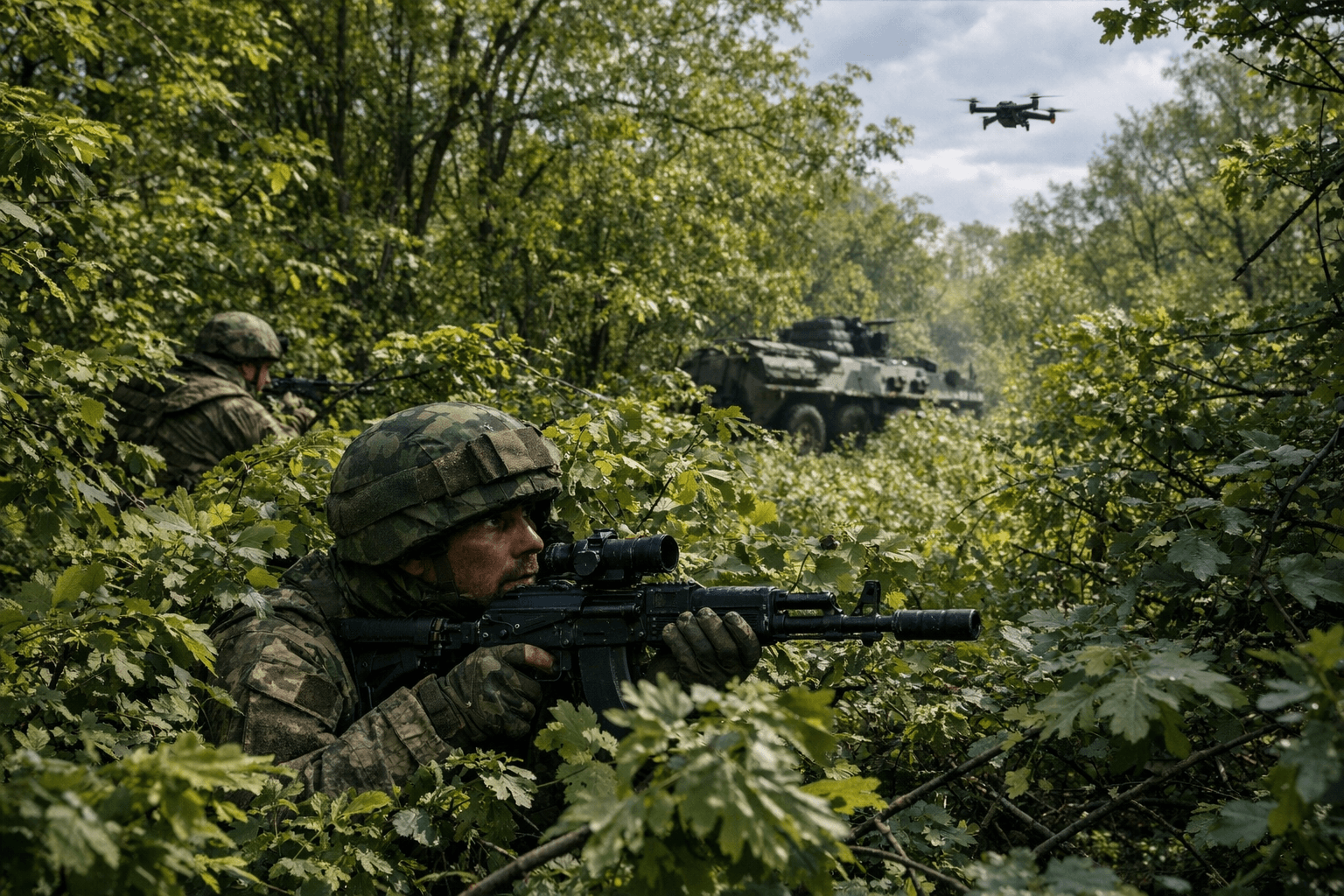
Every spring along the Donetsk front, the same tactical problem returns with the leaves: Russian infantry disappears into tree lines, and Ukrainian quadcopters lose the ability to find them.
Oleksandr Karpiuk, who serves under the callsign Serzh Marko in the unmanned systems battalion of the 59th Separate Assault Brigade, described the seasonal shift in direct terms. "We are now approaching a period that is quite difficult for us," he told Radio NV, adding that for Ukrainian drone operators, every spring repeats like Groundhog Day.
The problem is structural: spring foliage significantly reduces Mavic quadcopters' operational effectiveness every year, handing Russian infantry a reliable seasonal advantage on the Donetsk front. In winter, bare tree lines give operators clean sightlines to detect and track movement. Once the canopy fills in, that visibility collapses.
Karpiuk called for an urgent shift to fixed-wing drone coverage and dense mining of tree lines before the leaves return, arguing that tree lines along the front must be mined so heavily that Russian infantry cannot survive in them even when invisible to drones.
The warning carries extra urgency given what Russian forces appear to be planning. The Institute for the Study of War assessed that Russian forces have likely begun artillery and drone preparation for a spring-summer offensive targeting the Donetsk fortress belt cities, an operation analysts said could be multi-year and cost the Kremlin massive losses and resources. Deputy head of the Ukrainian President's Office Pavlo Palisa said Russia wanted to reach the region's administrative borders by the end of March or early April.
Russia is already accelerating its aerial tempo to match the season. On March 24, Russian forces launched 948 drones in a 24-hour period as they moved troops and equipment to the front line, in what appeared to be the start of a new offensive. The rare daytime attacks killed two people in Ivano-Frankivsk and one person in the Vinnytsia region. A Ukrainian brigade operating in the Slovyansk direction also reported that the number of Russian strike and reconnaissance drones increased as springtime weather conditions improved.
Ukraine is working to adapt. In March 2026, Russian military bloggers noted that Ukrainian forces began using FPV drones more frequently across all sectors of the front, with some operating on new frequencies designed to bypass Russian electronic warfare systems and extend their strike range by tens of kilometers. Ukrainian forces also increased the number of drone operators in the Kostyantynivka direction, delivering precise strikes on transport along highways northeast of occupied Donetsk in an effort to complicate Russian logistics ahead of the offensive.
The foliage problem is not new, but its stakes grow each year as drone density on both sides increases. What was once a nuisance for Ukrainian reconnaissance units now shapes the tempo of entire offensives. Karpiuk's prescription, fixed-wing platforms that can operate above the canopy and minefields that punish troops the quadcopters can no longer see, amounts to a race against the calendar. The leaves are already returning.
This article was produced by Prism’s automated news system from verified source data, official records, and press releases, then run through automated quality and moderation checks before publishing. The system is built and supervised by the people who set the standards it runs under. Read our full AI policy.
Did this article answer your question?