Mediators Race to Extend U.S.-Iran Ceasefire as Deadline Nears
Mediators are trying to lock in a 45-day bridge deal before April 21, as the truce’s fate now turns on nuclear terms, sanctions, and the Strait of Hormuz.
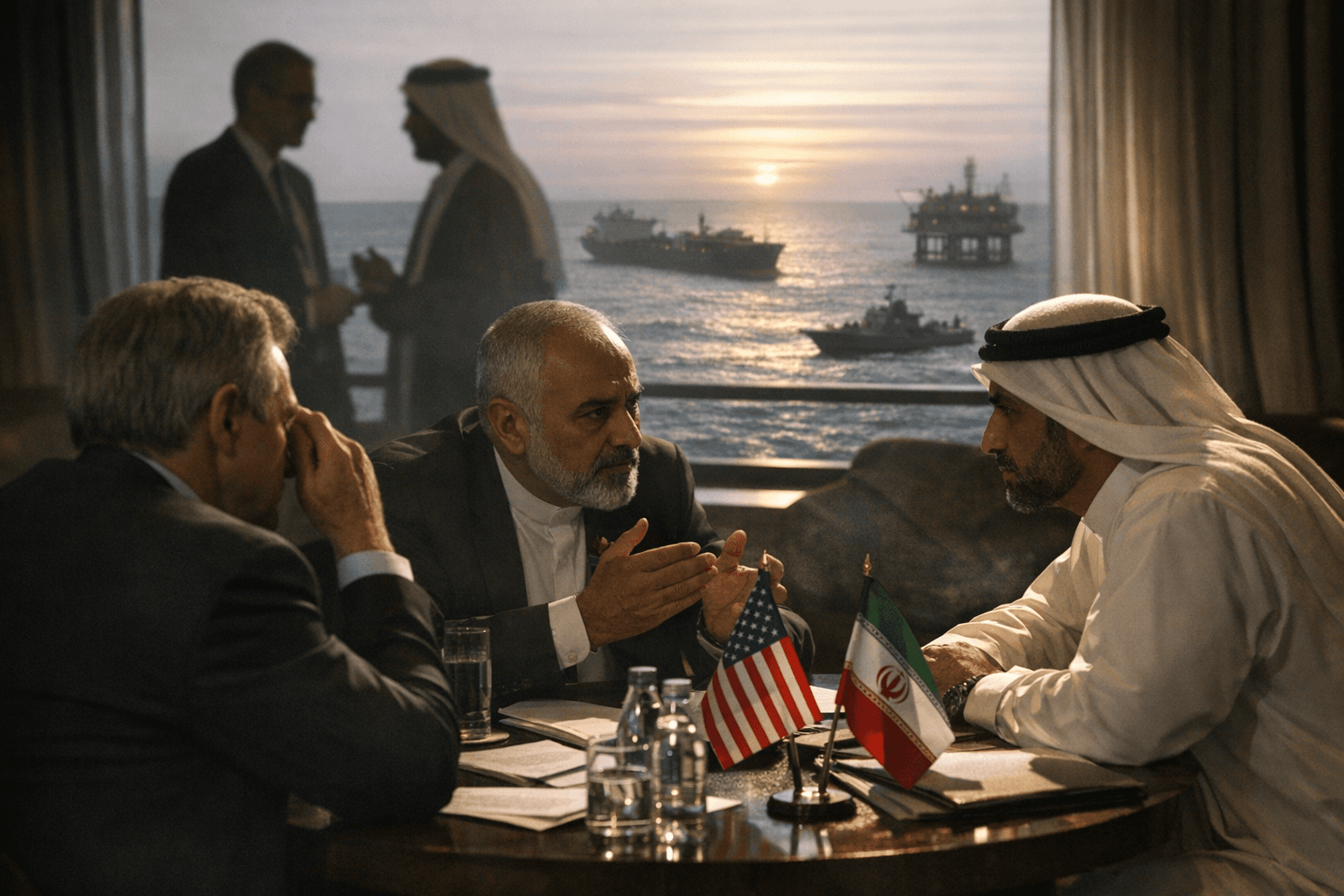
A fragile ceasefire between the United States and Iran is being pushed toward an extension that would do more than buy time. If mediators succeed before the April 21 deadline, the deal would keep the current pause in place, preserve the diplomatic channel, and stop the conflict from snapping back into a harder blockade and military posture around the Strait of Hormuz.
The talks have moved through a tightly managed channel in Islamabad, where U.S. and Iranian delegations sat in separate wings of the Serena Hotel while Pakistani mediators carried messages between them. Reuters described that encounter as the first direct U.S.-Iran contact in more than a decade and the most senior bilateral engagement since Iran’s 1979 Islamic Revolution. The U.S. delegation was led by Vice President JD Vance, while Pakistan’s army chief, Asim Munir, arrived in Tehran on April 15 to help coordinate the next round of talks. Pakistan’s interior minister, Mohsin Naqvi, was also involved.
The diplomatic effort now has the backing of Pakistani, Egyptian and Turkish mediators, who are trying to bridge the remaining gaps before the ceasefire expires. Axios reported that negotiators have discussed a 45-day ceasefire as a bridge to a permanent deal, a sign that the talks are no longer limited to an immediate stopgap. A White House spokesperson also projected optimism and suggested the next round of talks was likely to be held in Islamabad.
What makes the extension substantive, not symbolic, is the list of unresolved demands. The U.S. side has reportedly put forward a 15-point plan calling for Iran to dismantle nuclear sites, limit ballistic missile capabilities and end support for aligned militias. Iran’s 10-point plan, by contrast, seeks recognition of its right to enrich uranium, the withdrawal of U.S. combat forces from the region and continued Iranian control of the Strait of Hormuz. Those positions leave the core questions intact: who controls the nuclear program, who holds the military balance in the Gulf, and who sets the terms of maritime access.
A Reuters source said the two sides were “80% there” before negotiations stalled, and another said the atmosphere briefly improved enough that a one-day extension was considered. That urgency is sharpened by the war’s toll. Al Jazeera reported that the conflict has killed 3,000 people in Iran. For the ceasefire to matter on the ground, it has to do more than delay collapse. It has to hold the line long enough for the blockade, the military threat and the sanctions fight to shift from battlefield pressure into a real framework for settlement.
This article was produced by Prism’s automated news system from verified source data, official records, and press releases, then run through automated quality and moderation checks before publishing. The system is built and supervised by the people who set the standards it runs under. Read our full AI policy.
Did this article answer your question?


