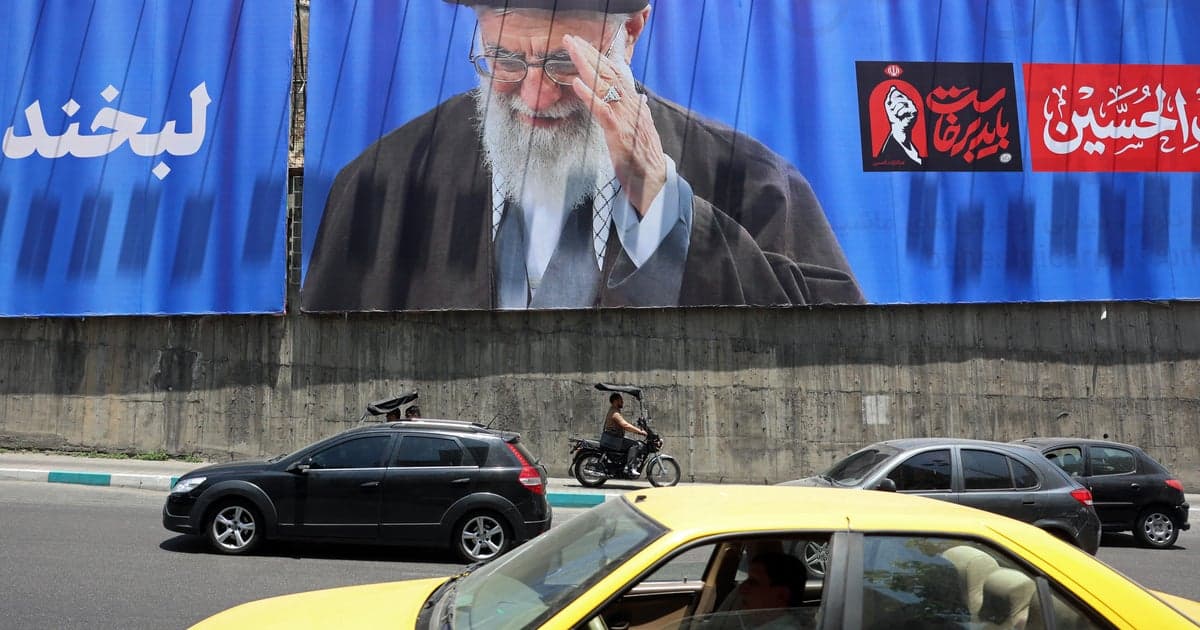
Lebanon sees widespread destruction as Israeli strikes and operations intensify
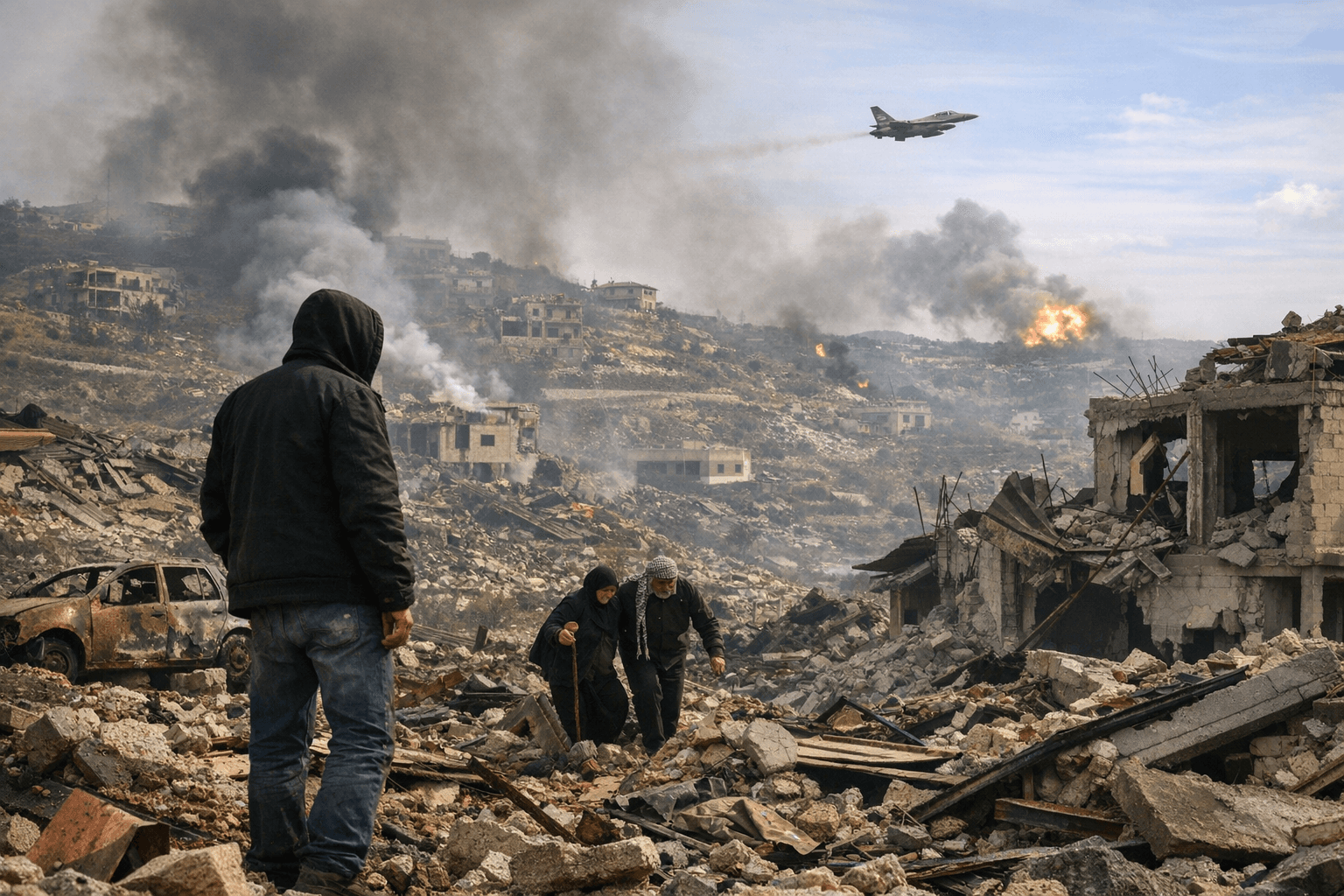
More than 1,400 buildings were destroyed in south Lebanon after March 2, leaving border villages in ruins and complicating any return for displaced civilians.
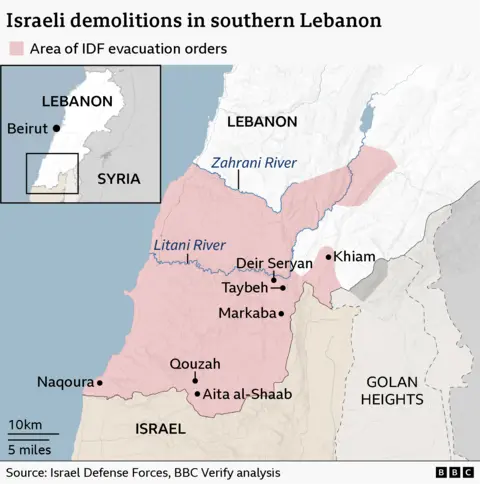
Satellite analysis showed more than 1,400 buildings destroyed in south Lebanon since March 2, a pace of damage that has left whole stretches of the border zone altered beyond recognition. The destruction has concentrated in villages near the Blue Line, where ruined homes, flattened blocks and damaged roads now mark the line between military pressure and civilian life.
The pattern matters because south Lebanon was the very area UNIFIL was created to stabilize. The peacekeeping mission was established by the United Nations Security Council in March 1978 to confirm Israeli withdrawal from Lebanon, restore international peace and security, and help the Lebanese government reassert authority in the south. That mandate was later strengthened after the 2006 war, when Security Council Resolution 1701, adopted on August 11, 2006, called for a full cessation of hostilities, the withdrawal of Israeli forces from southern Lebanon in parallel with the deployment of Lebanese forces and UNIFIL, and the protection of civilians.
UNIFIL said it remained on the ground as hostilities escalated. In a March 12, 2026 statement, the mission said peacekeepers detected more than 120 projectiles launched from Lebanese territory toward Israel, followed by seven Israeli air attacks and more than 120 artillery incidents in response. The exchange underscored how quickly the frontier had slid back into sustained fire, with civilians caught between rocket launches, air strikes and artillery.
Human Rights Watch said on March 23 that Israeli forces had expanded ground operations in southern Lebanon after signaling an intent to forcibly displace residents and destroy civilian homes. The group warned that forcible displacement and wanton destruction were war crimes. Then, on April 10, Human Rights Watch said more than 100 Israeli strikes across Lebanon on April 8 killed over 300 people and damaged the last main bridge linking southern Lebanon with the rest of the country, threatening access to aid, food and health care.
That bridge damage sharpened the significance of the demolition campaign in the south. The issue is no longer only where the fighting is taking place, but what remains after it. Israeli media reported on April 15 that the military had launched an operation to demolish dozens of homes in frontline villages, reportedly code-named “Silver Plow,” to clear the first line of border settlements. Combined with the satellite evidence and UN reporting, the result is a visible reshaping of south Lebanon that could make return far harder for civilians, even if the front line shifts again.
This article was produced by Prism’s automated news system from verified source data, official records, and press releases, then run through automated quality and moderation checks before publishing. The system is built and supervised by the people who set the standards it runs under. Read our full AI policy.
Did this article answer your question?