U.S. HIV treatment aid holds steady, testing and prevention plunge
PEPFAR still supported treatment for 20.6 million people, but curtailed testing and PrEP raised fears of undiagnosed infections and a hidden backlog.
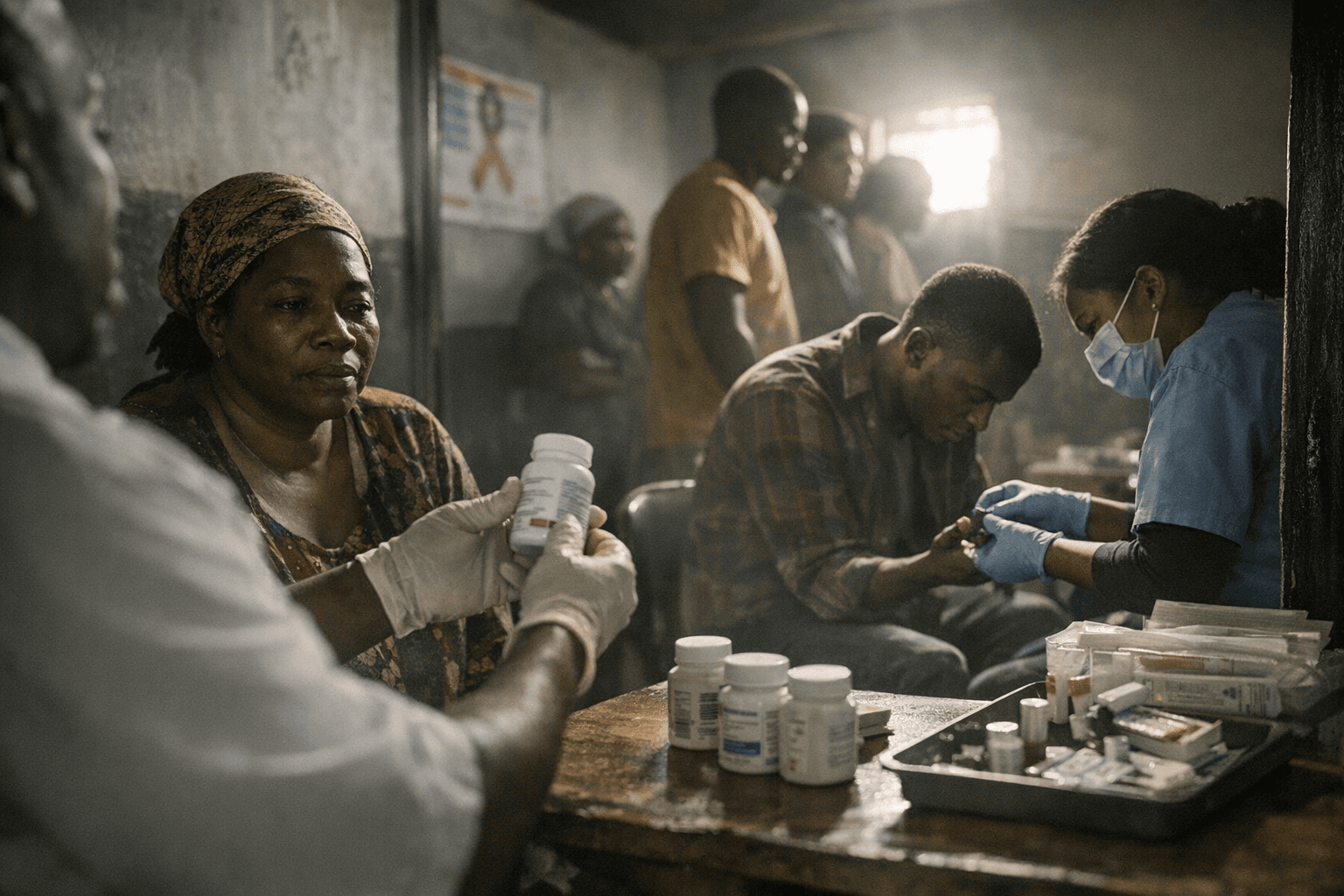
U.S. HIV aid held up on paper even as the front end of the response weakened. The State Department said PEPFAR supported treatment for 20.6 million people as of Sept. 30, 2025, but testing and prevention services fell sharply after months of political and budget turmoil that interrupted programs across the global HIV system.
The numbers matter because treatment alone cannot stop the epidemic. Of the 20.6 million people receiving support, 3 million were already being served through their own governments rather than outside PEPFAR implementers, a shift the administration has cast as progress toward country self-reliance. Yet Reuters reported that the administration did not provide earlier-2025 data that would show how the 90-day foreign aid hold affected care when President Donald Trump froze almost all U.S. foreign assistance early in the year.
Officials later said life-saving HIV work under PEPFAR would continue, but many prevention efforts were curtailed, including HIV testing and pre-exposure prophylaxis, or PrEP, the drug regimen used to block infection in people at risk. That gap is what alarms global health experts: people who are not tested do not learn their status, do not enter treatment, and can continue transmitting the virus unknowingly. Charles Kenny of the Center for Global Development put it bluntly: “if people aren’t tested, they can’t know if they’re positive,” and the system is “building up problems for the future.”
The administration released its America First Global Health Strategy on Sept. 18, 2025, saying it would negotiate multi-year agreements to move recipient countries toward self-reliance and build resilient health systems. PEPFAR, launched in 2003, remains the largest commitment by any nation to a single disease, with the State Department saying the program has invested more than $100 billion in the global HIV response, saved 26 million lives, and enabled 7.8 million babies to be born HIV-free.
But the treatment totals do not answer the harder question: what happened to the pipeline feeding those programs. Reuters-linked follow-up coverage said PEPFAR’s testing-and-counseling reach was 84.1 million in 2024, and global health experts estimated it could have fallen by more than 15 million in 2025. UNAIDS said it is monitoring the impact of U.S. funding cuts across 55 countries. If those missed tests are not recovered, the result will not be a cleaner bill of health but later diagnoses, heavier treatment loads, and more infections reaching the next stage before anyone sees them.
This article was produced by Prism’s automated news system from verified source data, official records, and press releases, then run through automated quality and moderation checks before publishing. The system is built and supervised by the people who set the standards it runs under. Read our full AI policy.
Did this article answer your question?


