Trump says Iran deal could come soon as ceasefire deadline nears
Trump said a deal with Iran could come in “a day or two,” but the uranium dispute and an April 21 ceasefire deadline still tested the talks.
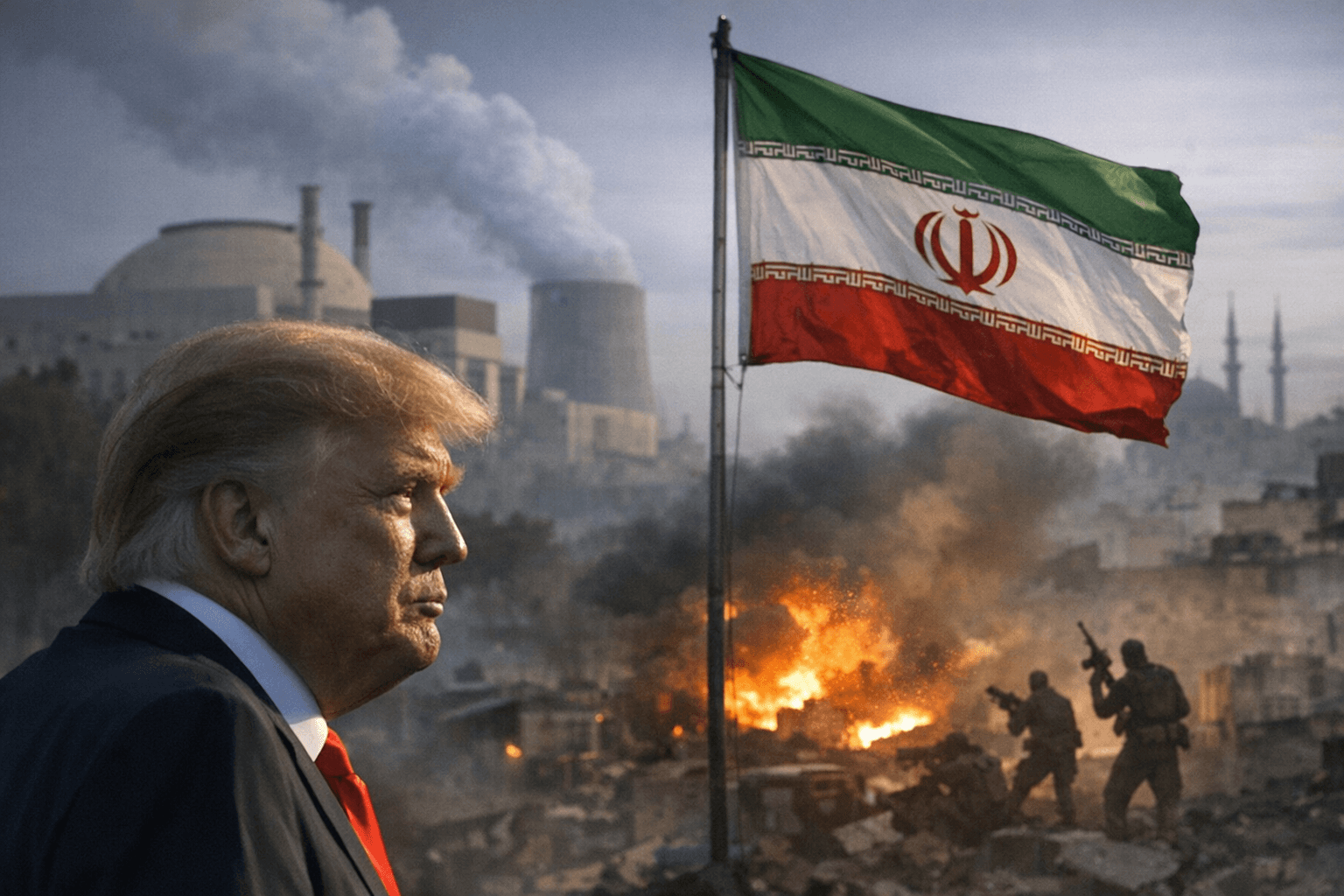
Donald Trump was projecting speed where the diplomats were still stuck on substance. The president said a deal with Iran could come in “a day or two,” but the core question remained unresolved: what happens to Iran’s enriched uranium, and can a ceasefire survive long enough for a real agreement to be written?
Axios reported that Trump expected U.S. and Iranian negotiators to meet that weekend, while multiple U.S. officials said the two sides were close to a three-page peace plan but still had major gaps on critical issues. A separate Axios account said the talks had moved toward a framework agreement and that the goal was to reach something before the ceasefire expired on April 21.
That gap between confidence and completion is what now makes the negotiations a credibility test for Trump as much as a diplomatic one. Reuters reported that the discussions had drifted toward an interim memorandum rather than a comprehensive peace deal, a sign that the sides were still working around the most sensitive terms instead of settling them. One proposal under discussion could include as much as $20 billion in frozen Iranian funds in exchange for Iran giving up enriched uranium, but the uranium stockpile itself remained the central sticking point.
Trump added to the impression of momentum on April 17 when he said the United States would work with Iran to recover its enriched uranium and bring it back to the United States. CBS News reported that he said Iran had “agreed to everything” and would work with the U.S. to remove its enriched uranium. Iran’s foreign ministry rejected that account, with spokesman Esmaeil Baqaei saying the stockpile would not be transferred “anywhere.”
Regional governments have been racing to keep the talks alive. Turkey said it was working to extend the ceasefire and urged both sides to be constructive. The Associated Press reported that Pakistan’s army chief traveled to Tehran in an effort to preserve diplomacy and help arrange a second round of U.S.-Iran talks.
The stakes go beyond rhetoric. Bloomberg reported that U.S. officials and Iranian sources still disagreed on the core nuclear issue, even as Trump portrayed the deal as imminent. If the ceasefire clock runs out first, the talks could lose their political cover, the Strait of Hormuz could again become a flashpoint, and oil markets would have to price in a sharper risk of disruption instead of relief.
This article was produced by Prism’s automated news system from verified source data, official records, and press releases, then run through automated quality and moderation checks before publishing. The system is built and supervised by the people who set the standards it runs under. Read our full AI policy.
Did this article answer your question?


