Strait of Hormuz disruption keeps oil and shipping markets on edge
Reopening the strait would calm markets, but it would not quickly restore normal shipping. More than 600 vessels were still stranded even after ceasefire talk.
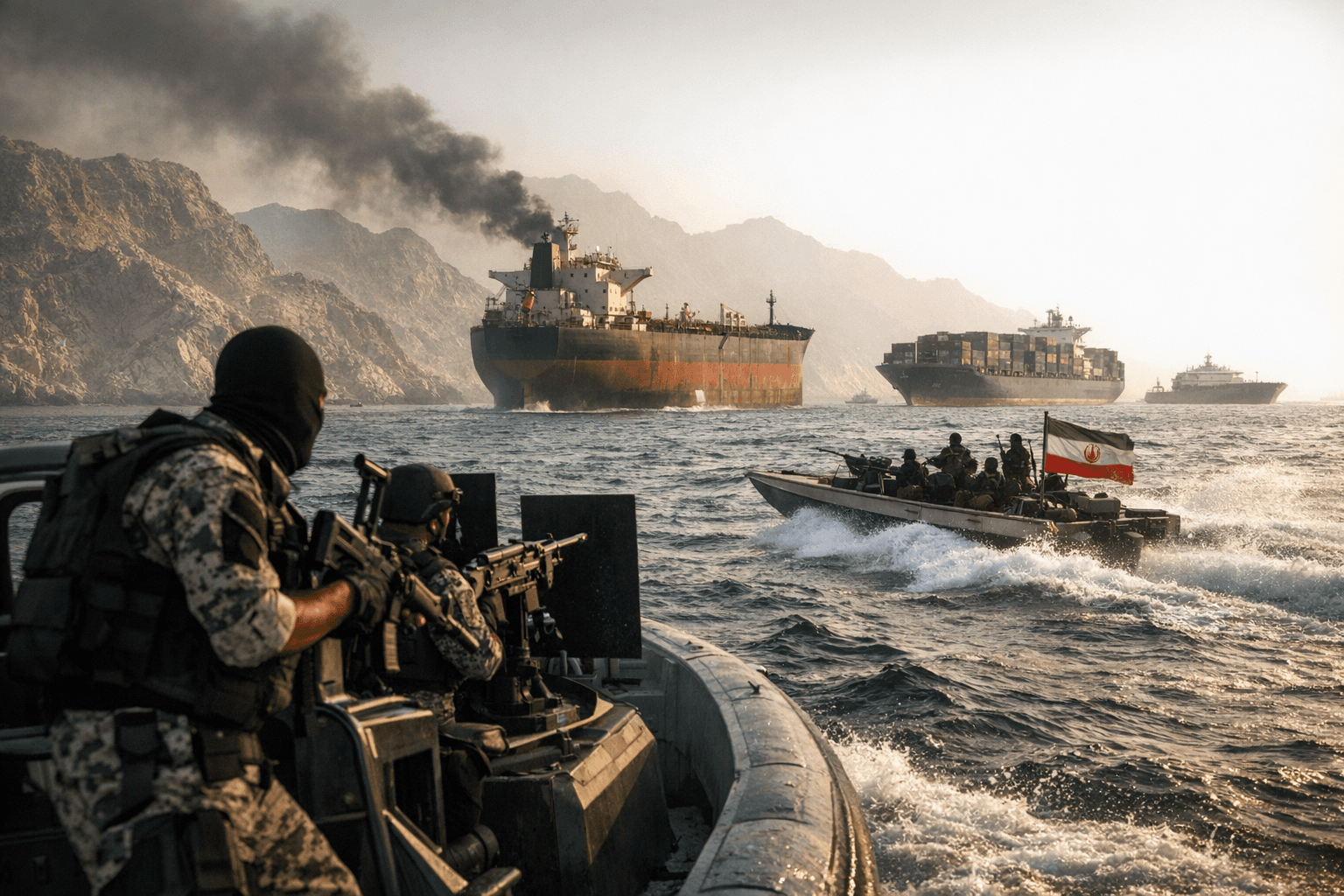
Reopening the Strait of Hormuz would ease immediate panic in oil markets, but it would not quickly restore normal shipping. Insurers, tanker operators and traders are still treating the waterway as a live risk, and shipping remained badly constrained even after ceasefire announcements, with only a handful of vessels transiting on April 10 and more than 600 vessels, including 325 tankers, stranded in the Gulf.
That caution matters because the strait is one of the world’s most important energy chokepoints. It connects the Persian Gulf with the Gulf of Oman and the Arabian Sea, and in 2024 it carried an average of 20 million barrels a day, about 20% of global petroleum liquids consumption. Flows in the first quarter of 2025 stayed relatively flat compared with 2024, and the U.S. Energy Information Administration says there are very few alternative routes if the strait is closed.
The numbers help explain why even a partial reopening would not amount to business as usual. Federal Reserve Bank of Dallas researchers say a complete cessation of oil exports from the Gulf would remove close to 20% of global oil supplies from the market, with about 80% of those exports heading to Asia. Before the Feb. 28 attacks, the strait typically handled about 120 to 140 daily transits. Kpler analyst Ana Subasic said safe transit capacity would likely remain limited, at a maximum of 10 to 15 passages a day, even if the ceasefire held.
Iran has tried to project the sense that passage is being restored, with Abbas Araghchi saying the strait would be open for the remaining ceasefire period. But later Iranian state media suggested only nonmilitary vessels would be allowed through with IRGC Navy permission, underscoring why shipowners still want clarity on mines, Iranian conditions and implementation before sending fleets back in volume. Oil prices fell sharply on April 17 after Iran said the strait was open, but the market reaction reflected relief, not a conviction that risk had vanished.
The broader fear is rooted in history. The Strait of Hormuz has never been fully closed before, and the anti-shipping campaign during the Iran-Iraq War became known as the Tanker War. Earlier oil shocks in 1973, 1979, 1980 and 1990 showed how quickly supply disruptions can hit prices, but Dallas Fed researchers say the current closure is larger than those episodes and directly involves the strait itself. France and the United Kingdom also hosted a Paris meeting involving about 40 countries to discuss restoring freedom of navigation.
There are ways to reroute some barrels, but not enough to erase the shock quickly. The EIA says disruptions in 2024 around the Bab al-Mandeb Strait led Saudi Aramco to shift some crude flows over land through its East-West pipeline. Even so, a reopening in Hormuz would only begin the repair. Normal traffic, normal insurance and normal freight pricing would likely take months to return.
This article was produced by Prism’s automated news system from verified source data, official records, and press releases, then run through automated quality and moderation checks before publishing. The system is built and supervised by the people who set the standards it runs under. Read our full AI policy.
Did this article answer your question?


