Experts say quick Iran nuclear deal unlikely amid deep mistrust, complex talks
The last Iran nuclear deal took years, not weeks, and key terms only locked in after mistrust, interim steps and U.N. scrutiny.
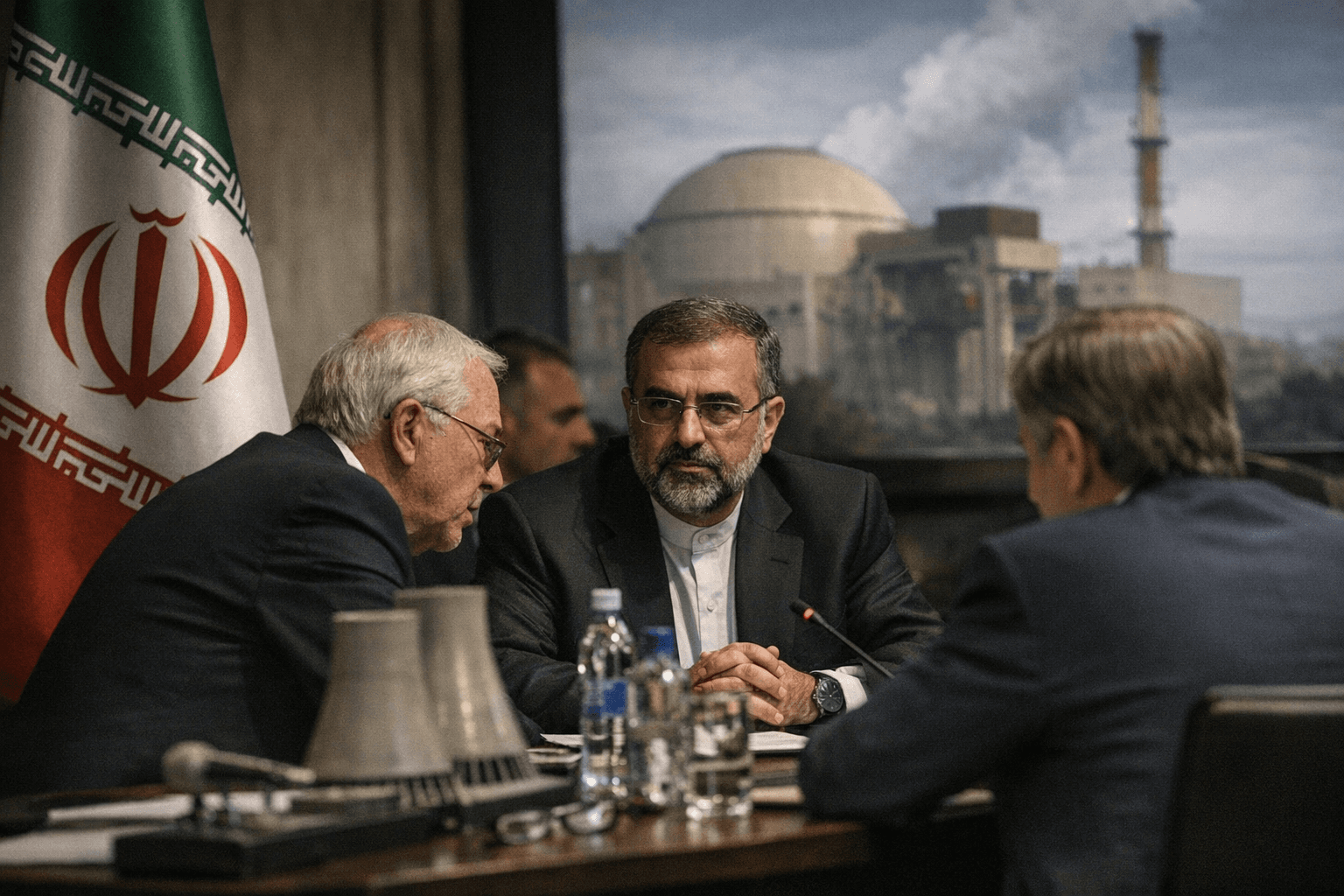
Quick progress on Iran’s nuclear file has always been a mirage. The 2015 agreement that became the Joint Comprehensive Plan of Action did not emerge from a single breakthrough, but from a long chain of hard concessions, interim deals and public suspicion that still shapes expectations for any new round of diplomacy.
The path ran through the Joint Plan of Action, agreed on November 24, 2013, then a Lausanne framework announced on April 2, 2015, before the final JCPOA was concluded on July 14, 2015. Even then, the deal still had to clear the United Nations Security Council, which adopted Resolution 2231 on July 20, 2015 and reaffirmed the IAEA’s role in verifying Iran’s compliance. That sequence is a reminder that negotiations with Tehran were never just about one meeting or one document. They were about building enough trust, and enough verification, to survive the next crisis.
The talks brought together China, France, Germany, Russia, the United Kingdom, the United States, the European Union and Iran in a process that stretched across Vienna, Lausanne, New York and Washington. The substance was equally demanding. U.S. officials said the Arak reactor core would be removed and filled with concrete so Iran would not be able to produce weapons-grade plutonium, while the Associated Press reported that Iran would cut its uranium-enriching centrifuges from almost 20,000 to 6,104 under the accord. The agreement itself reflected the negotiators’ caution, saying that “nothing is agreed until everything is agreed.”
That caution was rooted in mutual suspicion. Mohammad Javad Zarif said the deal offered a chance to bring down a “wall of mistrust” between Iran and the United States, while U.S. officials framed the talks around one central test: whether Iran’s nuclear program was exclusively peaceful. The International Atomic Energy Agency later called the JCPOA a landmark agreement that strengthened verification, including Iran’s implementation of the Additional Protocol. In August 2015, the IAEA’s Board of Governors authorized verification and monitoring of Iran’s nuclear-related commitments for the life of the deal.
The broader history explains why the process was so slow. The Iran nuclear issue had already been under U.N. Security Council scrutiny since 2006, and the JCPOA represented a fundamental shift only after years of sanctions pressure and painstaking diplomacy. That record suggests any new nuclear bargain with Iran is likely to be prolonged, fragile and heavily dependent on verification rather than trust.
This article was produced by Prism’s automated news system from verified source data, official records, and press releases, then run through automated quality and moderation checks before publishing. The system is built and supervised by the people who set the standards it runs under. Read our full AI policy.
Did this article answer your question?