Romania detects drone breach during Russian attack on Ukraine border area
Romania lost radar contact with a drone near Chilia Veche as Russian strikes rattled Ukraine's border belt, renewing pressure on NATO's eastern flank.
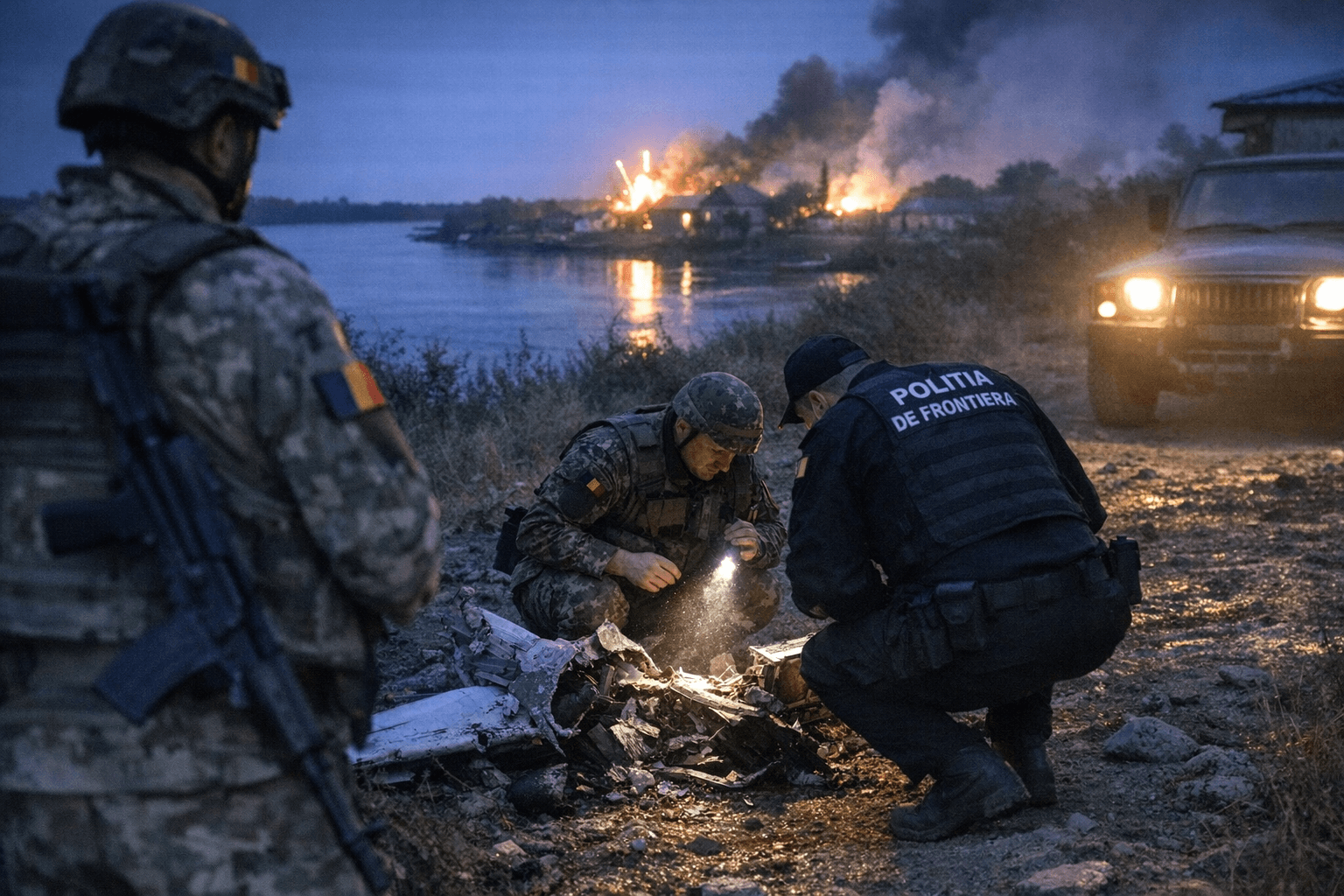
Romanian radar detected a drone breaching national airspace during a Russian attack on Ukraine’s border region, then lost contact with the object southeast of Chilia Veche, in Tulcea County. The incident, reported by Romania’s Ministry of National Defence, put the spotlight back on the lower Danube frontier, where war in Ukraine has repeatedly spilled into NATO territory.
The detection came as Russian forces carried out a new series of drone attacks on Ukrainian civilian and infrastructure targets near the border, in the northern area of the Chilia branch of the Danube. Romania’s National Military Command Center notified the General Inspectorate for Emergency Situations, which moved to alert residents in the northern part of Tulcea County. That sequence matters because it shows the event was treated as a live security threat, not a routine radar anomaly.
Romania’s long land border with Ukraine stretches 650 kilometers, and the Danube Delta around Chilia Veche, Plauru and Tulcea has become one of the most exposed corners of the alliance’s eastern flank. Drones aimed at Ukrainian ports and energy infrastructure have repeatedly forced Romanian and NATO aircraft into the air, while residents in Tulcea County have received RO-Alert warnings as authorities tried to balance warning the public with avoiding panic. The repeated incursions have also carried a public safety cost, creating anxiety in border communities and increasing the burden on emergency services already stretched by repeated alerts.
Romania has been moving toward a firmer legal response. On February 26, 2025, parliament adopted a law allowing the military to shoot down drones illegally breaching Romanian airspace when the threat level and the risk to human life or property justify it. That shift reflected mounting pressure in Bucharest to replace ad hoc reactions with a formal air-defense framework that can work in peacetime and under alliance rules.
The new incident fits a pattern seen before. In July 2024, Romania said it found Russian drone fragments near Plauru, across the Danube from Izmail, and NATO said it saw no sign of an intentional attack on allied territory. Ukraine’s air force said three drones were lost after crossing the state border with Romania, and Romanian authorities said the debris was found outside residential areas with no infrastructure damage. Previous Romanian statements have also said drones did not fly over inhabited areas and did not pose an imminent danger to the population.
Even without a direct strike, each breach tests deterrence, border security and NATO coordination. For Romania, the challenge now is to keep the eastern frontier watched, civilians warned and escalation controlled as the war next door keeps sending its risks across the border.
This article was produced by Prism’s automated news system from verified source data, official records, and press releases, then run through automated quality and moderation checks before publishing. The system is built and supervised by the people who set the standards it runs under. Read our full AI policy.
Did this article answer your question?


