Melania Trump calls Jimmy Kimmel jokes hateful ahead of correspondents dinner
Melania Trump branded Jimmy Kimmel’s pre-dinner jokes “hateful and violent rhetoric,” escalating a familiar clash between satire, power and press freedom.
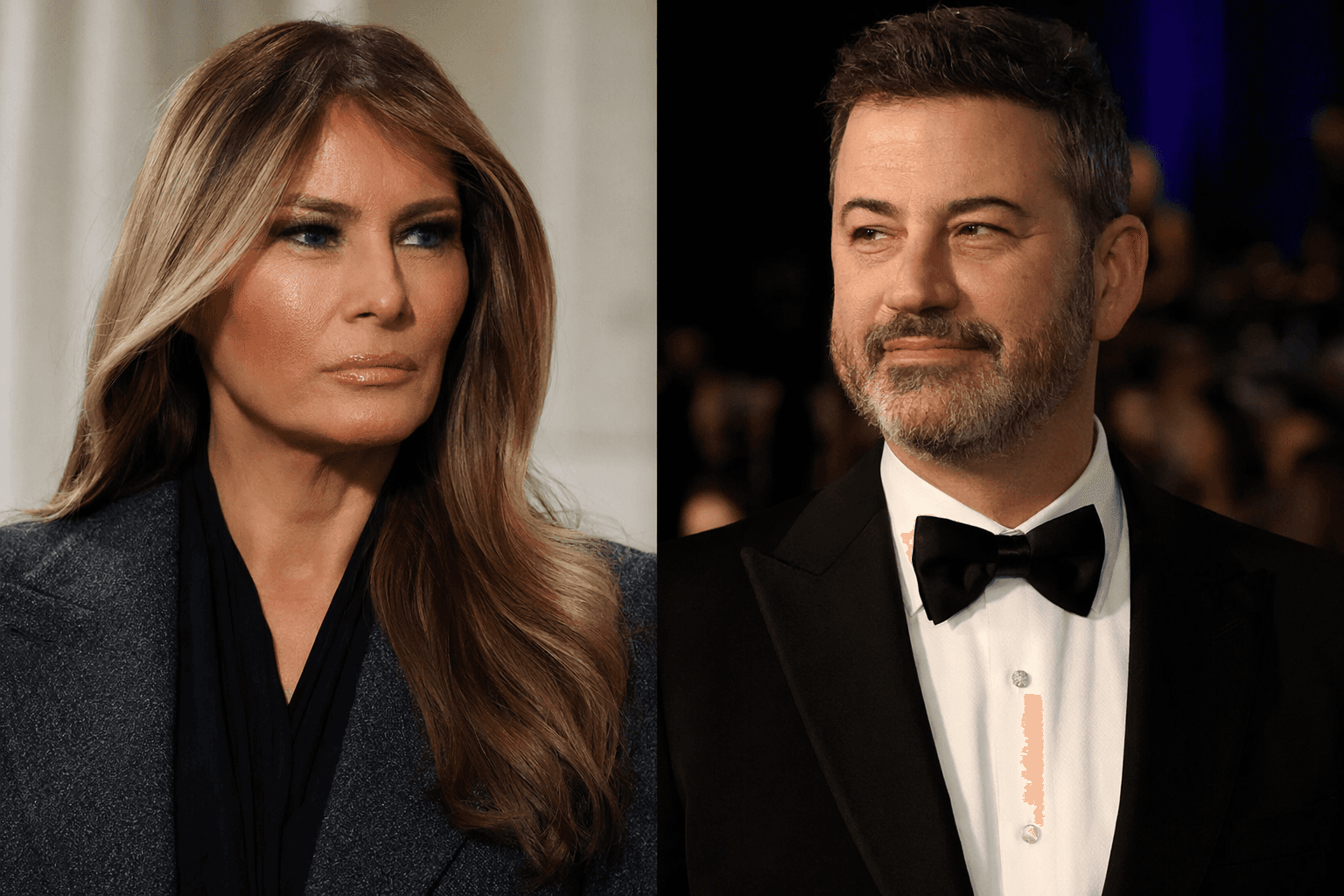
Melania Trump’s attack on Jimmy Kimmel turned a late-night joke into a test of how presidents and their allies respond when satire lands too close to politics and violence. By calling the jokes “hateful and violent rhetoric,” the first lady placed a comedian’s routine at the center of a dispute that has long shadowed the White House Correspondents’ Dinner.
The timing matters because the dinner has always been built around the president, the press and the people who mock them. Founded in 1914 to represent the White House press corps, the White House Correspondents’ Association created a Washington ritual that grew from a small gathering into one of the capital’s biggest annual events, drawing journalists, politicians and celebrities. Its format has stayed familiar for decades: a comedian roasts the president, then the president, when attending, often fires back at the press and political opponents.
That tradition has not always sat comfortably with Donald Trump. He skipped the dinner in 2018, and the White House later said staff would also stay away in solidarity. Trump had already made clear his hostility toward the event, choosing not to join the room even as it remained a showcase for press freedom, journalism scholarships and grants, and the sort of self-mocking performance Washington has long used to soften its own image.
The dinner’s late-April timing has also become part of the political calendar. AP reported that it took place on April 28 in 2018 and April 25 in 2019, underscoring how it typically arrives near the end of the month as Washington’s media and political worlds gather under one roof. In that setting, a joke from Kimmel was enough to set off a broader fight over what counts as satire and what powerful figures decide to punish.
The confrontation now sits at the intersection of presidential power, late-night comedy and press freedom. Presidents have often absorbed the barbs of the dinner as part of the bargain of public life. Trump has taken a different path, treating mockery less as a rite of Washington than as an offense to be answered. Melania Trump’s condemnation of Kimmel keeps that approach in view, and it deepens the tension over whether offensive speech is best answered with laughter or pressure.
This article was produced by Prism’s automated news system from verified source data, official records, and press releases, then run through automated quality and moderation checks before publishing. The system is built and supervised by the people who set the standards it runs under. Read our full AI policy.
Did this article answer your question?

